

Choosing a Reliable Trading App for Indian Investors
Choose the best trading app for Indian investors 🇮🇳 with our guide covering security, user experience, fees, and trusted reviews to invest smartly 📈💡
Edited By
Sophia Roberts
Choosing the right forex trading company is not just about picking a popular name; it involves a detailed check on various factors that affect your trading experience and, ultimately, your profits. With the forex market growing rapidly in India, many firms offer different services, but not all deliver on promises or maintain transparency.
First off, credibility must be your priority. Look for companies regulated by recognised authorities such as the Securities and Exchange Board of India (SEBI) or international bodies like the Financial Conduct Authority (FCA). Regulatory oversight ensures they follow strict guidelines to protect traders.

Next, evaluate the trading platform they provide. Intuitive, fast, and reliable software reduces execution delays and technical glitches that can cost dearly. For example, popular platforms like MetaTrader 4 and 5 are often favoured for their balance of user-friendliness and advanced features.
Customer service also matters. A firm that responds promptly to queries and offers clear guidance can save you from costly mistakes during volatile market phases. Given the 24-hour nature of forex, support availability in Indian business hours is a practical consideration.
Here are some key points to consider when selecting a forex trading company:
Regulatory compliance: Verify licences and registration.
Trading fees and spreads: Lower costs allow better profitability.
Leverage options: Understand the risks and limits applicable.
Deposit and withdrawal processes: Transparent and quick transactions.
Educational resources: Useful for both beginners and experienced traders.
Several established forex companies, like Zerodha, ICICI Direct, and HDFC Securities, offer forex trading services tailored to Indian investors. Familiarising yourself with these names can serve as a starting point for your selection process.
Careful assessment before committing to a forex trading company helps you avoid scams and protect your investment. It also ensures smoother trading with trusted partners.
Ultimately, choosing the right forex trading company comes down to thorough research, understanding what suits your trading style, and always prioritising security and transparency.
Knowing how forex trading companies operate is key for anyone looking to enter the currency market. These firms act as the middlemen between you and the global forex market, offering services that make currency buying and selling accessible. Understanding their role helps you avoid pitfalls and choose a partner that matches your trading style and goals.
Forex brokers offer platforms where traders can buy and sell foreign currencies. These platforms provide real-time price data, charting tools, and execution of trades. For example, a trader using an Indian broker gets access to currency pairs like USD/INR or EUR/INR, along with features like leverage and stop-loss orders. Brokers also often provide educational resources, market news, and customer support to assist traders.
Forex brokers connect traders with liquidity providers, ensuring orders get executed quickly at competitive prices. They manage the technical backend, allowing you to focus on analysis and decisions rather than order routing. In India, popular brokers often link with banks or large financial institutions to pool liquidity, which reduces slippage and improves execution speed.
While brokers act on behalf of clients, dealers trade from their own accounts. Brokers typically match your orders with other market participants or liquidity providers. Dealers, on the other hand, often take the opposite side of your trade, becoming the counterparty. This difference affects pricing and potential conflicts of interest, so knowing which model a company uses helps you understand their incentives.
Retail brokers cater to individual traders, providing platforms with accessible minimum deposits and user-friendly interfaces. They usually offer standardised products and rely on spreads or commissions for revenue. Many Indian traders start here as it balances ease of use with adequate market access.

Market makers create liquidity by quoting both buy and sell prices for currency pairs. They profit from the spread and sometimes from clients’ losses. Since they control pricing, there's a risk of conflict, but reputable market makers maintain transparent spreads and fair execution. Understanding this helps prevent surprises when prices appear to move against you suddenly.
ECN brokers provide direct access to the interbank forex market by connecting multiple liquidity providers. This model offers tighter spreads and more transparent pricing but often comes with commissions or fees. Traders preferring high volume or automated strategies often go for ECN brokers for better execution and lower transaction costs.
Being aware of these distinctions allows you to choose a forex trading company aligned with your strategy and risk tolerance, enhancing your chances of successful trading.
Picking the right forex trading company means paying close attention to some core features. These aspects ensure your trading experience is safe, cost-effective, and matched to your needs. Let's break down key factors that every trader should keep in mind before signing up with a forex broker.
Regulation acts as the backbone of safety in forex trading. A company authorised by recognised regulators follows rules that protect traders from unfair practices, fraud, or sudden platform closures. For Indian traders, dealing with a regulated broker reduces risks significantly.
Broking firms operating in India usually hold licences from bodies like the Securities and Exchange Board of India (SEBI) or are registered with the Reserve Bank of India (RBI) if they provide certain forex services. Internationally, companies might be regulated by entities such as the Financial Conduct Authority (FCA) in the UK, the Australian Securities and Investments Commission (ASIC), or the Cyprus Securities and Exchange Commission (CySEC). These regulators require brokers to maintain capital adequacy, protect client funds separately, and submit to regular audits, offering some peace of mind.
The trading platform is where you interact with the forex market, so it matters a lot. Popular platforms include MetaTrader 4 and MetaTrader 5, which pack features like real-time charts, multiple order types, and automated trading options via Expert Advisors. Brokers often customise these platforms or offer proprietary versions, but be sure whichever one you use is stable and suits your trading style.
Good brokers also provide analysis tools and indicators that help you make informed decisions. Tools like moving averages, Fibonacci retracements, or RSI (Relative Strength Index) assist in spotting trends and entry or exit points. Some companies add news feeds and economic calendars to keep traders updated on events affecting currencies.
Understanding spread and commission charges is critical. The spread is the difference between the buying and selling price; tighter spreads reduce trading cost. Some brokers charge a fixed spread, while others have variable spreads that widen during market volatility. Besides spreads, commissions may apply per trade or volume handled.
Watch out for hidden fees such as withdrawal charges, inactivity fees if you leave your account dormant, or costs related to currency conversions. Transparent brokers clearly list these charges upfront. For example, a broker might advertise zero commission but have wide spreads or impose penalties for withdrawals through certain methods. Scrutinising the fee schedule helps avoid surprises later.
Always read the fine print of any forex broker’s terms before depositing money to understand what costs you may incur beyond trade execution.
Assessing these key features — regulation, platform quality, and cost transparency — offers a solid foundation to choose a reliable forex trading partner suited for the Indian market and beyond.
Recognising well-known forex trading companies can make a significant difference when entering the currency market. These names often carry a reputation built on reliability, transparency, and quality service. For Indian traders, it’s not just about brand recognition but also about how these companies cater to the Indian market with features suited to local needs. Knowing prominent names helps you weigh options smartly, especially when regulations and trading tools matter a lot.
ICICI Direct stands among the top players in India’s trading landscape. It offers a user-friendly platform with access to forex along with equities and commodities. Indian traders appreciate its seamless integration with other financial services, making it easy to manage multiple investments in one place. The broker provides real-time market data and advanced charting tools, crucial for quick decision-making in forex trading. It also complies with guidelines set by the Securities and Exchange Board of India (SEBI), giving traders an added sense of security.
Zerodha is widely known for its technology-driven approach and competitive pricing. While primarily strong in equities, it also offers forex trading through its platforms, attracting a large base of retail traders. Its reputation for transparency and minimal hidden charges appeals to Indian investors wary of extra costs. Moreover, Zerodha’s community-focused initiatives, such as webinars and educational content, help traders build their skills. This reputation has allowed Zerodha to cultivate a vast, loyal client base that values both accessibility and professional support.
FXTM has carved a niche globally and particularly among Indian traders. Its strengths lie in providing wide currency pairs, low spreads, and fast execution speeds. With offices and licenses in multiple countries, FXTM brings confidence to users about its regulatory compliance and fund protection. The broker also offers tailored services for Indian clients, including local payment options and support in regional languages, which eases the onboarding process and daily transactions.
IG Group is known for its sophisticated yet accessible trading platforms, including the popular MetaTrader 4 and its own advanced web-based interface. Indian traders benefit from its comprehensive market analysis, a vast range of currency pairs, and innovative tools like risk management features and automated trading options. Customer support is prompt and available through multiple channels, including phone, email, and chat, which is critical when trading volatile forex markets. IG’s trustworthy track record and client-centric services make it a preferred choice for serious traders.
Choosing among these prominent firms involves weighing factors like regulatory safety, cost-effectiveness, platform usability, and customer care. Knowing what these companies offer helps you pick one that fits your trading style and goals neatly.
Choosing the right forex trading company is not just about finding the lowest spreads or the flashiest platform. It means thoroughly checking the company's credibility, services, and support to avoid risks such as fraud or unexpected charges. A well-chosen company protects your investment and offers tools that help you trade efficiently.
Credible reviews come mainly from multiple sources like financial forums, trusted market analysis sites, and user feedback platforms. Forums such as Traderji and Forex Factory offer practical insights from Indian traders who share real experiences with various forex brokers. While company websites show positive testimonials, these external platforms give a balanced view and highlight potential red flags.
Checking social media pages like Twitter or Facebook can also reveal how a broker handles complaints and if they respond promptly. Remember, a single negative review should not scare you off, but a pattern of issues indicates cause for caution.
A company’s operational history says a lot about its reliability. Brokers operating for a decade or more tend to have established risk management practices and regulatory adherence. For example, firms registered with the Securities and Exchange Board of India (SEBI) and international regulators such as the Financial Conduct Authority (FCA) or the Australian Securities and Investments Commission (ASIC) typically follow strict compliance protocols.
Look for information about regulatory actions or penalties. A clean track record reassures you that the company operates transparently and is less likely to engage in unethical practices.
Demo accounts let you test a company's trading platform without risking real money. Using a demo account helps you understand the interface, available tools, order execution speed, and overall user experience. For example, if you find an MT4 demo account clunky or lagging, it is a sign you may face similar frustrations with live trading.
Testing market conditions and strategies on a demo account before investing real capital reduces surprises and builds confidence.
Customer support reflects a broker's commitment to clients. Test this by asking simple and complex questions through chat, email, or phone. A professional broker responds quickly, clearly, and politely. For instance, assessing if they provide timely answers about withdrawal processes or trade disputes can save you time and hassle later.
Poor or delayed support often signals inadequate service or worse, neglect, which might cost you during live trading.
Always remember, a reliable forex trading company stands behind its clients, offering clear guidance and quick assistance when needed.
By focusing on these specific steps – checking reviews, verifying company history, testing demo accounts, and examining support quality – you can make an informed choice, protecting your funds and improving your trading experience.
Choose the best trading app for Indian investors 🇮🇳 with our guide covering security, user experience, fees, and trusted reviews to invest smartly 📈💡

Discover how to choose the right forex trading platform in India 🇮🇳. Compare features, understand regulations & manage risks for smarter trading decisions 💹.

Explore how to pick the right online forex trading platform in India 🇮🇳, understand key features, regulations, risks, and start trading confidently today 📈.
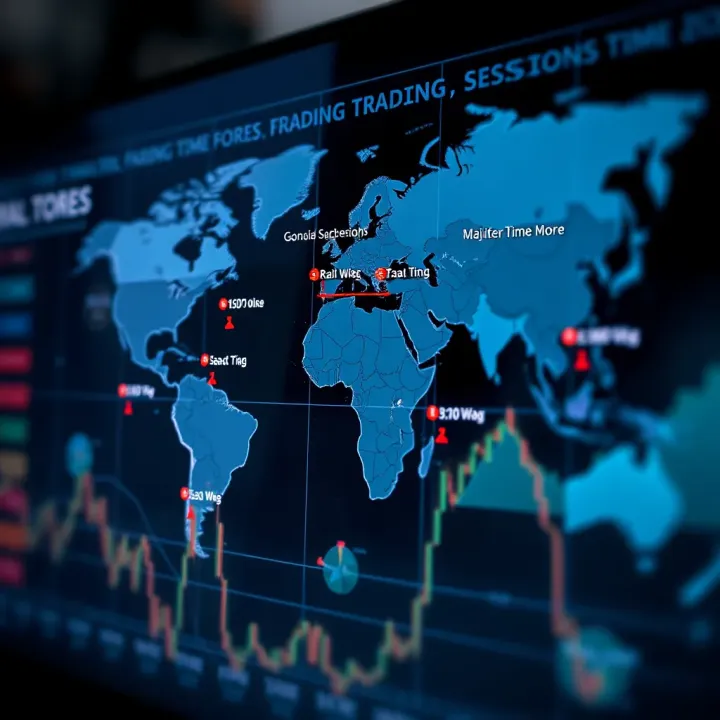
📈 Discover the best time for forex trading in India! Understand how global market hours, currency pairs, and volatility affect your trading success. Manage risks effectively and align trading sessions with your goals.
Based on 9 reviews