
Best Forex Trading Platforms in India: A Guide
Find the best forex trading platform in India 🇮🇳 by comparing regulations, fees, features, and user experience. Trade securely and effectively with expert tips 📈🔒
Edited By
Henry Dawson
Forex trading in India demands not just a good strategy but also an understanding of when to trade. The timing influences liquidity, volatility, and potential profits. Since forex markets operate 24 hours globally, choosing the best time to trade can help you take advantage of peak market activity and avoid unnecessary risks.
Indian traders mainly watch four major forex trading sessions: Sydney, Tokyo, London, and New York. Each has distinct active hours because of time zone differences. For instance, the London session overlaps with the New York session between 5:30 pm and 10:30 pm IST, often leading to higher trading volumes and sharper price movements.
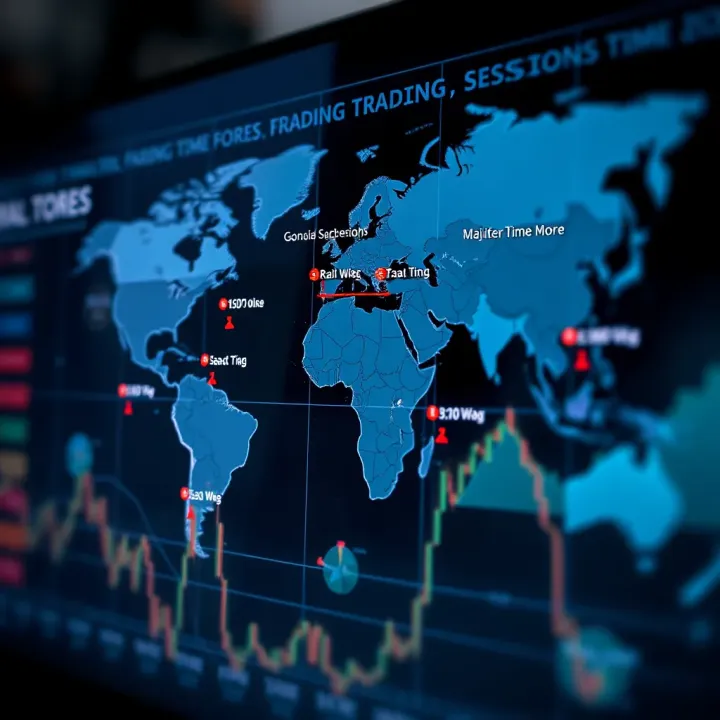
Trading during overlap hours tends to offer better opportunities with tighter spreads and increased volatility. However, it also means the market can move unpredictably, so it's important to manage risks carefully.
Currency pairs preferred by Indian traders, such as USD/INR, EUR/USD, and GBP/USD, react differently to these sessions due to the influence of their respective regions. For example, USD/INR sees the most action during Indian business hours and the New York session, while EUR/USD becomes active with the London and New York overlap.
To enhance your trading success, observe the following:
Monitor session overlaps: These times usually bring higher volatility but better chances for profitable trades.
Match sessions with currency pairs: Trade pairs when their home markets are open.
Be aware of economic events: Releases like RBI policy decisions or US non-farm payrolls can spike volatility.
Timing your trades effectively lets you avoid the low-volume hours when spreads widen and price movements are sluggish. This approach can protect your capital and improve returns.
In the sections ahead, we’ll explore session timings in detail, risks associated with different hours, and tips for aligning your style with optimal trading windows. Understanding the rhythms of global markets gives you an edge in the competitive world of forex trading.
For Indian forex traders, knowing the timing of global market hours is essential to maximise trading opportunities and manage risks effectively. The forex market operates 24 hours, but activity fluctuates with different trading sessions across the world. Understanding these hours in Indian Standard Time (IST) helps you align your trading schedule with periods of higher liquidity and volatility.
The Asian session runs roughly from 5:30 am to 2:30 pm IST, with Tokyo and Singapore being its key centres. This session handles currencies like the Japanese yen, Singapore dollar, and Chinese yuan. For Indian traders, this is when local economic releases and the Reserve Bank of India's announcements sometimes impact pairs like USD/INR. Volatility tends to be moderate, making it suitable for cautious or short-term trades early in the day.
Starting around 12:30 pm and going until 9:30 pm IST, the European session includes London, the largest forex centre. This session sees large volume and more significant moves, especially in pairs like EUR/USD, GBP/USD, and USD/CHF. Since London overlaps partially with the Asian session at its start, liquidity is higher, improving trade execution. Indian traders who prefer more action usually find this window attractive.
The North American session runs from roughly 6:30 pm to 3:30 am IST. This session often brings fresh momentum, with New York traders reacting to US economic data and Federal Reserve announcements. USD pairs gain volatility, and Indian investors trading late can catch sharp price swings. The overlap between the European and North American sessions, especially from 6:30 pm to 9:30 pm IST, is typically the most liquid and volatile period.
When two trading sessions overlap, such as London and New York or Tokyo and London, market liquidity surges. This means tighter spreads and better price movement, which benefits day traders and scalpers. For instance, the 6:30 pm to 9:30 pm IST overlap between London and New York is often the best time to trade major currency pairs due to high activity. Conversely, low liquidity times, like late-night hours in India, can result in wider spreads and cautious price behaviour.
India does not observe daylight saving time (DST), but many forex markets like the US and Europe do, which shifts the market opening and closing times relative to IST. For example, during DST, the New York session opens an hour earlier for Indian traders. This shift requires regular adjustment of trading schedules to avoid missing key market moves. Ignoring DST changes can lead to mistimed trades or missed opportunities, especially around March and October when these shifts occur.
Aligning your trading with global sessions not only improves access to liquidity but also helps you manage risks during quieter times. Indian traders should keep an eye on session overlaps and daylight saving shifts to trade smartly and sustainably.
Knowing the best time to trade forex from India can significantly improve trading outcomes. The forex market operates 24 hours across different time zones, but not all hours offer equal trading opportunities. Identifying periods of high liquidity and price volatility can help traders avoid low-activity times and focus on sessions where currency pairs move actively.
Liquidity in forex means how easily a currency pair can be bought or sold without causing a big change in its price. Major currency pairs like EUR/USD, GBP/USD, and USD/JPY tend to be most active when their respective markets are open. For instance, the London session (3:30 pm to 12:30 am IST) often sees increased trading volumes, making EUR/USD a better candidate for trading during this time.
Trading during these active hours helps reduce spreads—the difference between buy and sell prices—and allows smoother execution of trades. Volatility also tends to rise, offering more chances for price movement and potential profit. However, this also means risks may increase, so traders must plan entries and exits carefully.
The forex market has periods when two major sessions overlap, such as the London and New York session (6:30 pm to 9:30 pm IST). These overlapping hours generally provide the highest liquidity and sharp market moves, which can be favourable for traders seeking quick position changes.
For Indian traders, this overlap is ideal because the market not only stays active but also reflects combined influences from European and American economic events. For example, a news release from the US Federal Reserve during this time can sharply move USD pairs, presenting both opportunities and challenges.
Currency pairs involving the Indian Rupee (INR), such as USD/INR and EUR/INR, behave differently compared to global majors. Their peak trading hours largely coincide with the Indian market timings from 9:15 am to 3:30 pm IST, aligning with the Reserve Bank of India's (RBI) currency market operations.
Trading INR pairs outside these hours often results in lower liquidity and wider spreads, which can increase trading costs and slippage. Therefore, Indian traders focusing on INR pairs should pay close attention to the local market hours where the best price discovery and volume occur.
Since INR is not a freely floating currency on global forex exchanges, its liquidity relies heavily on Indian domestic markets and authorised dealers. During the Indian market session, currency pairs involving INR experience tighter spreads and better price movements.
Traders dealing with INR pairs must also consider RBI policies and domestic economic events, as these significantly impact forex liquidity and volatility during Indian trading hours. For example, an RBI monetary policy announcement around 10:30 am IST can cause sharp moves in USD/INR, so being active during these times is beneficial.
Understanding when major currency pairs and INR pairs become active helps you trade smarter and manage risks better, not just by watching the global clock but also by factoring in India’s unique market timings.
Major pairs like EUR/USD peak during London and New York sessions.
Overlaps between major sessions create optimal liquidity and volatility.
INR pairs are most active during Indian market timings.
Local economic news and RBI policies heavily impact INR pair liquidity.
Planning your trading schedule around these timings can improve your chances of success and reduce unnecessary costs.
Choosing the right timing for forex trading in India depends on several factors that influence market activity and price movements. Understanding these elements can help you decide when to enter or exit trades, manage risk, and align your trading style with market behaviour. Two major considerations are economic events that cause volatility and the trader's own strategy and style.
Release of RBI policy statements and Indian economic data plays a significant role in forex market fluctuations involving the Indian rupee. When the Reserve Bank of India (RBI) announces policy rates or monetary decisions, markets react sharply. For example, a surprise interest rate cut might weaken the rupee against the US dollar, creating trading opportunities but also higher risk. Similarly, economic indicators like inflation rate, GDP growth, or trade balance figures, released at scheduled times, can trigger spikes in market volatility. Indian traders should track economic calendars closely to prepare for such events and avoid trading right before major announcements if risk aversion is preferred.
Global economic indicators affecting forex markets also influence the timing decisions for Indian traders. Data releases from the US, Eurozone, or China can impact currency pairs like USD/INR or EUR/INR significantly. For instance, a strong US non-farm payroll report can strengthen the dollar globally, affecting exchange rates overnight. Traders focusing on cross currency pairs often watch for such events and avoid or target trading windows aligned with these data releases. Understanding global economic calendars helps Indian traders to anticipate periods of high volatility and adjust trading schedules accordingly.
Day trading versus swing trading and timing suitability affects how traders approach market hours. Day traders in India tend to focus on sessions with higher liquidity and volatility, such as the London-New York overlap in the evening IST hours. They rely on quick price movements within the day to scalp or capture short-term swings. On the other hand, swing traders holding positions over several days watch broader trends and may trade outside peak hours, relying more on technical analysis and fundamental shifts. Recognising your style helps avoid trading during quiet times that could lead to low volatility and slippage.
How algorithmic or automated systems trade different times also shapes timing decisions. Automated trading systems can operate round the clock and exploit small inefficiencies at any hour, including low-volume periods that are usually avoided by human traders. These systems often use high-frequency strategies or reacts to micro price changes after economic news releases. Indian traders using or monitoring algo systems should understand that such algorithms might open or close positions when liquidity is low, affecting spreads and execution quality. Being aware of these patterns enables better coordination between manual and algorithmic strategies.
Economic events and trading style heavily influence when forex activity peaks. Staying informed about data releases and matching them to your trading approach can improve timing decisions and profitability.
By considering both these factors—economic triggers and your personal strategy—you can optimise your forex trading schedule in India to suit the dynamic market conditions.
Navigating forex trading from India requires more than just understanding market hours and currency pairs. Practical strategies tailored to Indian traders can improve entry and exit choices, manage risks better, and enhance overall trading outcomes. These tips handle the peculiarities of trading timings, market liquidity, and volatility influenced by global sessions and Indian economic events.
Using session overlaps for better entry and exit points
Session overlaps, especially between the London and New York markets, present moments of heightened liquidity and volatility. For an Indian trader, this means more reliable price movements and smaller spreads, making it easier to time trades. For example, the London-New York overlap occurs roughly from 7:30 pm to 11:30 pm IST, which often sees a surge in USD/EUR and USD/INR pair activity. Planning trades in this window offers better price discovery and quicker trade execution.
Avoiding low liquidity times to reduce risk
Trading during off-peak hours, like the late Asian session or just before European markets open, often means thinner markets and wider spreads. This leads to slippage and unpredictable price jumps. For Indian traders, avoiding the late night to early morning hours (around 3 am to 6 am IST) for major pairs reduces risks. Such low liquidity can derail strategies, especially for day traders who depend on precise stop-loss execution.
Managing spread widening during low activity hours
Spreads—the difference between buying and selling prices—tend to widen drastically when trading volume is low. Indian traders holding positions overnight or during off-hours should watch out for this because it impacts profit margins directly. For instance, a scalper trading EUR/USD at off-peak times might face spreads doubling or tripling, eating into small profits or amplifying losses. Being aware and adjusting trade size or timing can mitigate this risk.
Adapting stop-loss and take-profit levels based on market sessions
Stop-loss and take-profit orders need adjusting depending on which trading session is active. During high-volatility overlaps like the London-New York window, wider stops may prevent premature exits from normal price swings. Conversely, during quieter Asian sessions, tighter stop-loss settings can protect against unexpected moves. For example, if you trade USD/INR during RBI policy release days, expect sudden moves and consider looser stop-loss but closer take-profit to lock in gains.
Managing trade timing and risks carefully not only protects your capital but also positions you to capitalise on dynamic market movements typical in forex trading from India.
Applying these tips helps Indian forex traders to use their time and capital efficiently, making the most of market rhythms and reducing avoidable setbacks linked to timing and liquidity.
This section provides a clear, easy-to-follow summary of the best forex trading hours tailored for Indian investors. After understanding the global market dynamics and individual currency behaviours, it's crucial to have a quick reference that guides timely trading decisions. Indian traders benefit from knowing specific session timings and liquidity zones to maximise returns and control risk.
The USD/INR pair is typically most active during Indian business hours, especially between 9:00 am to 5:00 pm IST, aligned with the Reserve Bank of India's open market hours. This ensures sufficient liquidity and relatively tighter spreads. For EUR/USD, Indian traders should focus on the London and New York overlap session around 3:30 pm to 9:00 pm IST when volatility peaks due to high trading volume.
Pairs like GBP/USD and USD/JPY also show higher activity during the London-New York overlap, making late afternoon to evening hours ideal for Indian forex traders. On the other hand, Asian pairs such as AUD/USD and NZD/USD register increased movement during the Tokyo-Sydney session, roughly from 4:00 am to 11:30 am IST. Indian traders interested in these pairs can plan early morning trades for better opportunities.
Many Indian traders juggle jobs or studies along with forex trading. Aligning trading hours with your daily routine boosts consistency and decision quality. For example, swing traders can place trades during high liquidity windows then monitor positions outside peak hours, easing pressure on constant screen time.
Forex markets don’t have fixed opening hours like Indian exchanges. Their volatility shifts with global events and sessions. Adopting strategies like algorithmic trading or setting alerts for key economic releases helps Indian investors stay nimble. This flexibility allows both intraday and positional trade styles without compromising on personal time management.
Keeping a handy trading schedule tailored for Indian market realities and your lifestyle enables sharper moves and less stress while navigating forex opportunities.
Find the best forex trading platform in India 🇮🇳 by comparing regulations, fees, features, and user experience. Trade securely and effectively with expert tips 📈🔒

📈 Discover the best hours for intraday trading in India with insights on NSE & BSE sessions, volatility trends, economic cues, and smart risk management tips.
Explore top forex trading apps for Indian traders 📱. Compare features, security, costs & user experience to pick the best platform that suits your trading style.

Learn how to make money with forex trading in India 📈. Get practical tips on strategies, risk management, and market insights for steady profits 💰.
Based on 6 reviews