
Best Forex Trading Apps for Indian Traders
Explore top forex trading apps for Indian traders 📱. Compare features, security, costs & user experience to pick the best platform that suits your trading style.
Edited By
George Ellis
Selecting the right forex trading platform is a key step for any trader in India aiming to engage confidently in the currency market. The Indian forex market operates under strict regulations set by the Reserve Bank of India (RBI) and Securities and Exchange Board of India (SEBI), so choosing a platform compliant with these guidelines ensures legal and safe trading.
A good forex platform must balance features like user interface, execution speed, and trading instruments along with transparency in fees. For example, a beginner might prefer a platform with a simple layout and in-app tutorials, while an experienced trader will look for advanced charting tools and options such as leverage and demo accounts.
Fees can make or break your profitability. Trading platforms usually charge commission, spreads, or both. Platforms like Zerodha or Upstox might offer competitive spreads but could charge fees on certain transactions. It's useful to compare the total cost of trading across platforms rather than focusing on one element alone.
User experience impacts how quickly and confidently you can react to market movements. Mobile compatibility matters, especially when you’re on the move, since price changes can happen in seconds. Platforms like Angel Broking and ICICI Direct offer robust mobile apps tailored to Indian traders, including support for multiple languages.
Security cannot be ignored. Ensure the platform employs two-factor authentication and keeps your funds in segregated accounts. Platforms regulated by SEBI provide an added layer of trust.
For anyone new to forex trading in India, take your time comparing platforms on regulation, costs, ease of use, and security to find one that suits your trading style and risk appetite.
In this article, we will discuss key factors to evaluate in forex trading platforms, compare popular options available to Indian traders, and share tips for trading securely and responsibly for better outcomes.
Understanding forex trading and the regulatory landscape in India is essential for anyone interested in entering this market. Knowing the basic mechanics of forex alongside legal norms helps traders avoid pitfalls and maximise opportunities.
Forex trading involves buying one currency and selling another simultaneously, which means you’re trading currency pairs. For example, if you trade the USD/INR pair, you buy US dollars while selling Indian rupees. The forex market operates 24/7 worldwide and is the largest financial market by volume.
Currency pairs work by quoting the value of one currency in terms of another. The first currency listed is the base currency, and the second is the quote currency. If the USD/INR rate is 75, it means 1 US dollar equals 75 Indian rupees. Traders profit by speculating on currency value changes.
There are notable risks and benefits in forex trading. On the plus side, forex offers high liquidity and leverage, making it attractive for quick trades and large positions with limited capital. However, risks include market volatility, leverage magnifying losses, and the potential for scams. Traders should be prepared by learning proper risk management.
The Reserve Bank of India (RBI) controls the forex market’s legal framework to protect the Indian economy. The RBI prohibits trading in foreign exchange on unregulated platforms and restricts residents from trading currency pairs other than those that involve the Indian rupee on recognised exchanges.
The Securities and Exchange Board of India (SEBI) oversees trading platforms and brokers, ensuring they meet compliance standards like client fund safety and transparent operations. SEBI’s oversight enhances trust in registered platforms such as those offered by Zerodha or ICICI Direct.
For Indian traders, legal forex instruments include currency futures and options contracts traded on recognised exchanges like NSE and BSE, which strictly deal with INR currency pairs. Offshore forex trading or speculative forex pairs that do not involve INR are not permitted. This means residents should carefully choose platforms offering RBI-approved products to stay within the law.
Being aware of forex fundamentals and compliance rules helps traders avoid legal troubles and focus on strategies that work within India’s regulatory framework.
Understanding these basics prepares you for selecting the right trading platform and managing your forex journey safely and efficiently.
Selecting the right forex trading platform requires a keen eye on its features. These features not only affect your trading efficiency but also help in managing risks and maximising profits. Let’s focus on key elements such as trading tools, user experience, and execution speeds, which have practical impacts on your day-to-day trading.
Real-time price feeds are essential for timely decision-making. Forex prices can change within seconds, and without up-to-date information, your trade decisions might be based on outdated data. For instance, a platform offering delayed price updates could cause you to miss a crucial entry or exit point, ending in losses. Platforms like Zerodha or Interactive Brokers offer fast real-time feeds that help you keep pace with volatile currency pairs.
Technical analysis tools allow traders to evaluate market trends and make informed predictions. A good platform should provide common tools like moving averages, Bollinger Bands, RSI (Relative Strength Index), and Fibonacci retracements. These tools help identify entry and exit points, especially useful for active traders. For example, a swing trader might rely on these to catch trend reversals quickly.
Custom indicators and scripting bring flexibility for advanced traders who want to implement specialised strategies. Platforms that support custom indicators let users create or import unique tools or algorithms tailored to their style. For example, you might script an indicator that alerts when volatility crosses a certain threshold, allowing faster responses than manually tracking multiple charts.
The option to trade on both mobile and desktop platforms is quite valuable. While desktop versions often provide more features and detailed charts, mobile apps give you the freedom to trade on the go. Platforms like Upstox provide seamless mobile and desktop sync, ensuring you never miss a trading opportunity.
When it comes to ease of use for beginners and experts, platforms must strike a balance. Beginners benefit from straightforward interfaces with guided tutorials, while experts look for advanced features like depth-of-market views and customizable layouts. For example, ICICI Direct has a simple interface but also packs advanced tools for seasoned traders.
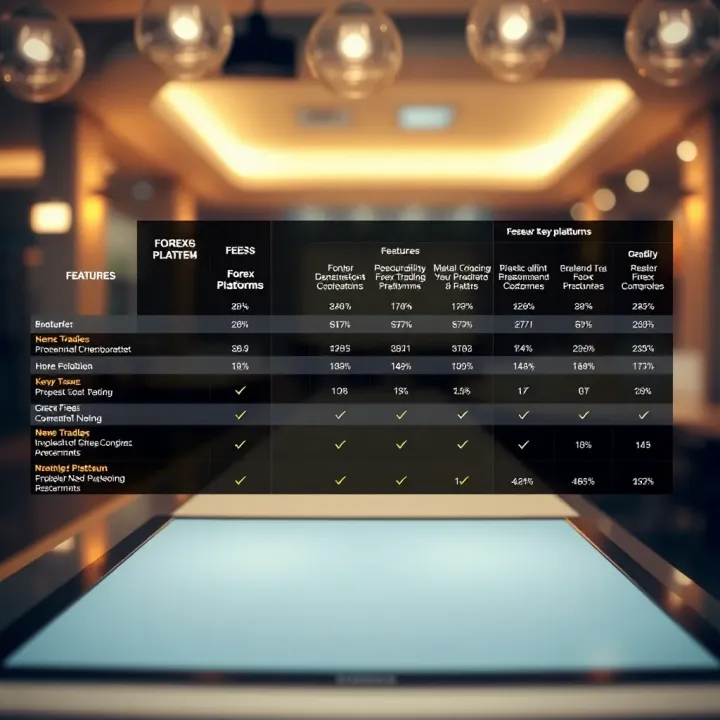
Multilingual support matters especially in a linguistically diverse country like India. A platform offering regional language options, like Hindi or Tamil, can make trading more accessible for non-English speakers. This improves user confidence and reduces mistakes caused by misunderstanding terms or alerts.
Understanding market and limit orders is vital. Market orders execute instantly at the current price, suitable in fast-moving markets but can involve slippage. Limit orders specify the exact price to buy or sell, offering more control but no guarantee of execution. Depending on your strategy, you may prefer one over the other.
Stop-loss and take-profit options help manage risk effectively. Setting a stop-loss automatically closes your position if the price moves against you beyond a point, limiting losses. Take-profit locks in profits once a target price is reached. These tools prevent emotional decision-making, vital in volatile forex markets.
Finally, latency factors affecting trades—such as internet speed and server location—can influence order execution timing. A delay of even milliseconds can mean differences of a few paise or more in forex trading, which add up over time. Choosing platforms with low latency ensures your orders execute swiftly, reducing chances of slippage.
When deciding on a forex trading platform, weigh these features not just on paper but based on how they fit your trading style and goals. The platform should empower you with the right tools, smooth usability, and quick execution to help you stay competitive in India’s fast-evolving forex market.
Choosing the right forex trading platform can make all the difference between steady profits and frustrating losses. Indian traders need to compare popular platforms carefully, considering factors like usability, fees, features, and regulatory compliance. A good platform not only provides quick execution and accurate price feeds but also offers tools that help you analyse markets and manage risk efficiently.
Zerodha stands out due to its user-friendly interface and low-cost structure. It caters especially well to both beginners and experienced traders through its advanced charting tools and mobile app support. The platform integrates with the Kite interface, making it easy to view live prices, implement technical analysis, and manage multiple orders on the go.
Upstox appeals with its balance of affordability and modern features. It offers a wide variety of order types, real-time market data, and a clean, intuitive design. Its fast execution speeds help traders react swiftly to market changes, which is crucial for forex trading where seconds can mean big differences in profits.
ICICI Direct caters more to customers who prefer comprehensive financial services under one roof. While it may not be the cheapest option, its robust research support and integration with traditional banking services make it a convenient choice for those seeking an all-in-one investment solution.
Interactive Brokers brings a global outlook to Indian traders with access to international markets alongside domestic ones. Its advanced tools suit active traders who want direct market access and detailed analytics. While it involves higher fees compared to Indian brokers, the breadth of services justifies the cost for serious forex investors.
Brokerage commissions vary significantly between platforms. Zerodha and Upstox offer flat brokerage fees which are attractive for traders with smaller trade volumes. ICICI Direct tends to charge higher percentages due to its broader service range, which can add up for frequent traders.
Spreads and transaction costs affect how much you pay per trade. Narrow spreads mean lower costs and better profit potential, which Zerodha and Upstox usually provide. Interactive Brokers offers competitive spreads, especially for high-volume trades, but this often comes with minimum trade-size requirements.
Hidden fees and account maintenance charges can catch traders off guard. Some platforms may charge for inactivity or monthly maintenance, so it's worth checking the fine print. Zerodha, for instance, has minimal hidden charges, while ICICI Direct’s fees might include account maintenance due to its full-service nature.
Availability of support channels like phone, chat, and email makes a big difference. Upstox offers quick chat and phone support, suiting traders who want instant help. Meanwhile, ICICI Direct provides personalised service with dedicated relationship managers.
Learning material and webinars add value, especially for new traders. Zerodha’s Varsity offers comprehensive free courses, while Upstox hosts regular webinars that cover various trading strategies and platform tutorials.
Community forums and peer support can help you learn from real-world experiences. Interactive Brokers has an active global community, though Indian-specific discussions are limited. Zerodha’s community forum offers vibrant discussions tailored for Indian markets.
Choosing a platform isn’t just about features or fees; it's also about support and education that help you trade confidently in India’s dynamic forex environment.
By carefully comparing these aspects, Indian traders can select a forex platform that fits their trading style, budget, and growth plans.
Safety and risk management go hand in hand for anyone trading forex in India. The sheer volume of transactions and the volatile nature of currency markets make security measures a top priority. Traders must ensure their chosen platform guards their data and funds against cyber threats while offering tools to minimise financial losses. Ignoring these can lead to both monetary and personal information losses.
Encryption protocols are the foundation of digital security on forex platforms. These protocols scramble data exchanged between your device and the trading server, making it unreadable to hackers. For example, platforms adopting the latest TLS (Transport Layer Security) protocols ensure that sensitive details like passwords or transaction data are shielded from interception. Without strong encryption, using a platform is like sending your bank details on a postcard.
Two-factor authentication (2FA) adds an extra lock to your forex account. Along with your password, 2FA requires a second form of verification, such as a code sent to your mobile phone or generated by an authenticator app. This means even if someone cracks your password, they cannot easily gain access to your trading account. Many Indian brokers like Zerodha and Upstox offer 2FA to strengthen account protection.
Deposit protection mechanisms safeguard your funds if a broker faces financial trouble. While India's forex regulations limit certain types of retail forex, Indian traders can check if the platform segregates client funds or participates in compensation schemes. Such measures assure you that deposited capital stays safe even if the broker encounters issues. For instance, brokers regulated by SEBI typically maintain strict standards for client fund security.
Setting stop-loss orders helps control losses by automatically closing a trade once the price hits a specified level. This tool is indispensable in forex trading where currency values can swing dramatically within minutes. For example, an Indian trader who buys USD/INR at 82.50 might set a stop-loss at 82.00, ensuring losses do not spiral beyond what they can handle. This prevents emotional decisions during market turbulence.
Position sizing means deciding the correct amount to trade on each transaction relative to your total capital. This limits exposure and prevents a single bad trade from wiping out your account. A common practice is risking only 1-2% of the total trading capital on any single trade. For example, if your trading capital is ₹5 lakh, risking ₹5,000 to ₹10,000 per trade helps protect your overall fund.
Using demo accounts lets traders practise forex trading without risking real money. Brokers often offer these practice accounts with virtual funds to simulate market conditions. This is especially helpful for beginners in India, allowing them to understand platform features and test strategies. Getting comfortable with a demo account may mean fewer costly mistakes when you start trading live.
Security and risk management tools are not optional extras but requirements for anyone serious about forex trading in India. Choosing a platform with strong safety measures and employing risk controls can protect your capital and peace of mind in this fast-moving market.
By focusing on these safety and risk management factors, you gain more confidence and reduce chances of unexpected losses when trading forex from India.
Starting forex trading can seem daunting, but with proper steps and good habits, you can improve your chances of success. This section outlines practical tips to help Indian traders open accounts, develop strategies, and stay updated, which are critical in such a volatile market.
Before trading, you must complete the Know Your Customer (KYC) process, mandated by Indian regulators to prevent fraud and money laundering. Typically, this involves submitting documents like Aadhaar, PAN card, proof of address, and a cancelled cheque. Completing KYC early speeds up account approval and prevents withdrawal delays.
Most platforms offer multiple ways to fund your forex account, including net banking, UPI, and NEFT/RTGS transfers. Some also accept mobile wallets popular in India, like Paytm or PhonePe. Be mindful of deposit limits, as RBI regulations restrict certain forex transactions; always check your broker’s policies to avoid surprises when moving money.
Leverage lets you trade larger positions than your capital would otherwise allow, but it magnifies both profits and losses. In India, leverage levels are often capped by brokers to comply with SEBI regulations, generally between 10:1 and 50:1, depending on the currency pair. Using leverage wisely means setting strict stop losses to limit exposure.
Technical analysis involves studying charts, price patterns, and indicators to forecast movements, while fundamental analysis looks at economic data, interest rates, and geopolitical news. Indian traders often combine both approaches; for instance, a trader might use technical signals for entry but will consider RBI policy announcements before taking a position.
Swing trading means holding positions from a few days to weeks, capitalising on medium-term trends. Day trading involves making multiple trades within a day to profit from short-term price fluctuations. Swing trading suits those who have a day job because it requires less constant monitoring, whereas day trading demands considerable time and quick decision-making.
Before applying a strategy with real money, backtesting it on historical price data helps gauge its effectiveness. Platforms often provide tools to simulate trades and tweak parameters. Continuously reviewing your trades also reveals what works and what doesn’t, allowing you to adapt in changing market conditions.
Economic calendars list important events like RBI policy meetings, GDP releases, and inflation data with their scheduled dates and expected impact. Monitoring these helps traders avoid surprises and plan entries or exits around market-moving announcements.
Tensions or agreements between countries can shift currency values quickly. For example, India's trade relations with China or geopolitical developments in the Middle East often influence the rupee’s strength. Staying aware of these factors helps you anticipate sudden volatility.
Subscribe to reliable news sources that provide live updates on global markets, forex rates, and government policies. Many platforms integrate news feeds in the trading interface, allowing traders to react instantly rather than relying on multiple external apps or websites.
Pro tip: Combining disciplined account management with strategic market awareness is key to navigating India’s forex market successfully.
Explore top forex trading apps for Indian traders 📱. Compare features, security, costs & user experience to pick the best platform that suits your trading style.

Learn how to make money with forex trading in India 📈. Get practical tips on strategies, risk management, and market insights for steady profits 💰.

🌏 Understand forex trading in India: legal rules by RBI & SEBI, approved trading routes, risks to watch, and tips for safe currency trading from India.

🌏 Master online forex trading in India with this practical guide! Learn key currencies, risk management, regulations, and smart strategies to trade confidently. 📈
Based on 11 reviews