
Best Zero Brokerage Trading Apps in India
Explore top zero brokerage trading apps in India 📱 Compare features, hidden charges, security & user ease to pick the best for cost-effective investing. 📊
Edited By
Emma Thompson
Zero brokerage trading apps have changed how many Indians approach investing. These platforms allow you to trade shares without paying the usual brokerage fees that chip away at your profits. But not all zero brokerage apps are equal—each comes with its own set of features, charges, and limitations.
Opting for a zero brokerage app can save you thousands of rupees, especially if you trade frequently or deal with small transaction sizes. However, the real question is which app suits your trading style and needs best. For example, some apps like Zerodha and Upstox offer zero brokerage on equity delivery but charge minimal fees on intraday trades or commodities. Others might provide unlimited zero brokerage but have hidden charges for call and trade or specialised services.
When choosing an app, consider these factors:
Trading Range: Do you only buy and hold shares, or do you prefer intraday and derivatives trading? Ensure the app supports your preferred market segment without heavy fees.
User Interface and Tools: A smooth, reliable app with good charting tools makes trading easier. For instance, Angel One’s mobile app is known for its intuitive design.
Additional Charges: Apart from brokerage, check for account opening fees, annual maintenance charges for Demat accounts, and any levies on withdrawals.
Customer Support: Quick and helpful support matters, especially if you face technical glitches during market hours.
Choosing the right zero brokerage trading app is not just about saving on fees—it’s about picking a platform that aligns with your trading habits, offers useful features, and ensures smooth execution.
Popular zero brokerage apps in India include Zerodha, Upstox, Groww, and Angel One. These platforms have gained popularity for combining no brokerage policies with value-added services like research reports, educational content, and robust mobile apps.
Knowing what each app brings to the table helps you strike the right balance between cost savings and trading efficiency. Whether you are a new trader testing waters or an active investor, a careful choice here can impact your returns significantly.
Zero brokerage trading apps have reshaped India's investing scene by cutting out traditional brokerage fees. This shift matters because it directly lowers the cost barrier for retail investors, making stock market participation more accessible. Understanding how these apps influence trading habits and costs is vital for anyone wanting to maximise returns while minimising unnecessary expenses.
Zero brokerage means that trading platforms do not charge a fee for buying or selling shares, effectively removing the commission traders once had to pay per trade. This is a significant change compared to older models where brokers took a cut, which could chip away at profits, especially for frequent traders. For example, Zerodha and Upstox popularised this model by offering free equity delivery trades, which encouraged many investors to enter the market without worrying about brokerage fees.
Lower brokerage costs mean traders keep more of their profits. Without those recurring fees, even small gains on trades accumulate better over time. However, zero brokerage shouldn't be mistaken as zero cost. Other charges like Securities Transaction Tax (STT), stamp duty, and exchange fees still apply. So, while zero brokerage apps can improve profitability, traders need to watch out for these additional charges. For instance, day traders benefit greatly as frequent trades do not attract brokerage, boosting their net gains.
Though they offer zero brokerage, these apps generate income through other avenues. Many earn by charging fees on margin trading, derivatives like futures and options, or from payment for order flow. Some also make revenue via premium plans that provide advanced tools or research reports. For example, Groww offers zero brokerage on equity delivery but charges margin funding fees. This diversified model ensures sustainability while keeping basic trading free.
The Securities and Exchange Board of India (SEBI) regulates brokerage and related fees to protect investors. It caps brokerage charges for equity delivery trades at 0.50%. While zero brokerage apps offer free trades, they must comply with other statutory levies like exchange transaction charges, SEBI turnover fees, and Goods and Services Tax (GST). SEBI's oversight ensures transparency in charges and prevents hidden or excessive fees, so traders can make choices based on clear cost structures.
Zero brokerage trading apps have democratized market entry, but understanding the fee structure, including SEBI-mandated charges, helps investors avoid surprises and make informed decisions.
In sum, zero brokerage apps reduce direct trading costs but operate on layered revenue schemes within regulatory frameworks. Traders should weigh these factors carefully to pick a platform that aligns with their trading style and financial goals.
Choosing a zero brokerage trading app isn't just about avoiding fees. The right platform should offer handy features that make your trading smoother and safer. For Indian investors and traders, these features decide how well you can execute your strategies without running into snags or hidden costs.
A trading app needs to be both intuitive and user-friendly, especially for novices. A clean interface that makes navigation easy helps traders find stocks quickly and place orders without confusion. For instance, Zerodha's Kite app uses simple menus and clear layouts which novice and experienced traders both prefer. Good interface design reduces errors during trading, which can be costly when markets are volatile.
Apps that clutter the screen or hide essential options behind multiple taps can frustrate users, leading to missed opportunities or inaccurate trades. Features like quick search, one-click order placement, and customisable watchlists come in handy for active traders, helping them stay organised and ready.
Detailed charts with various technical indicators allow traders to analyse price movements effectively. An app that presents interactive candlestick charts and supports indicators like RSI, MACD, and moving averages lets you spot trends without depending solely on external sites. For example, Upstox offers advanced charting tools that many traders rely on for intraday analysis.
Execution speed matters a lot when markets swing. A delay of even a few seconds can mean the difference between profit and loss in day trading or futures and options (F&O). A zero brokerage app should provide fast order execution with minimal downtime to ensure you don’t miss critical price points. Groww, for instance, boasts quick order execution, making it appealing to those trading frequently.
Security is non-negotiable in trading apps due to sensitive financial data involved. Look for apps with strong encryption and two-factor authentication to protect your account. Apps should also comply with SEBI and RBI guidelines for data protection. Zerodha and Angel One implement robust security measures, which shield users from phishing or hacking attempts.
Apart from security, app stability is crucial. Frequent crashes or freezes can disrupt trading, especially during market peaks. Many users prefer apps that receive regular updates to fix bugs and improve performance. Groww's consistent app stability makes it a favourite during high-volume sessions.
When you face technical glitches or need account help, customer support can make or break your experience. Choose apps providing prompt support via phone, chat, or email, available during market hours. Some zero brokerage apps like Angel One offer dedicated helplines and quick query resolution, easing trader concerns.
Delays or poor support can cost money in urgent situations, so test or enquire about support before committing. Also, check if the app provides useful self-help resources like FAQs or tutorial videos. These can quickly resolve common doubts without waiting for human help.
Remember, a zero brokerage app works best when backed by strong trading tools, clear design, solid security, and dependable support. Investing in the right app will help you benefit from cost savings without compromising your trading efficiency or safety.
Together, these features shape your trading journey. Careful evaluation will guide you to an app that not only cuts costs but also smooths your path to better trades.
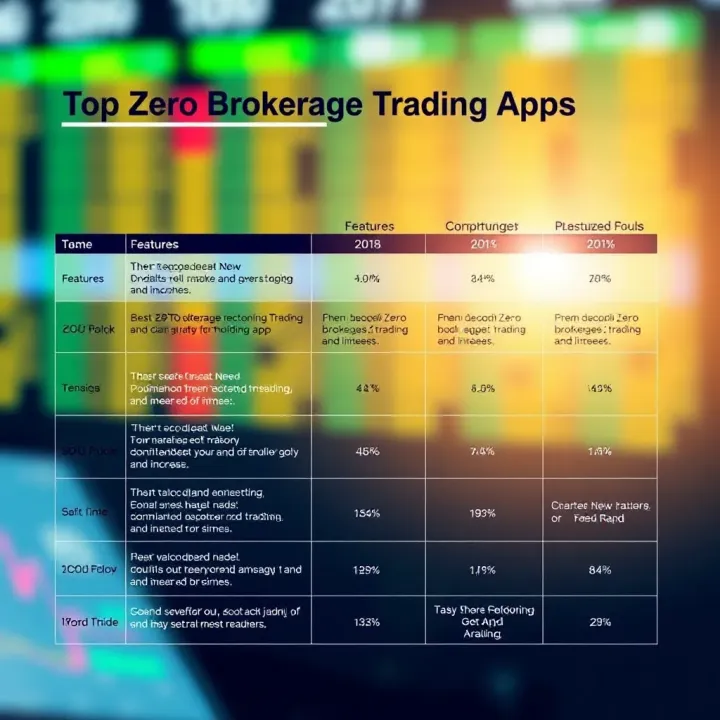
Choosing the right zero brokerage trading app requires a solid comparison of the leading options in India. This helps traders understand how each app stacks up in terms of features, costs, and unique advantages. Considering the popularity and widespread adoption of platforms like Zerodha, Upstox, Groww, and Angel One, it’s essential to look beyond just the zero brokerage tagline and dig into functional differences relevant to your trading style.
Zerodha remains India’s largest discount broker and set the trend for zero brokerage models. Their platform appeals to both beginners and experienced traders with a robust tech infrastructure and integration with Indian stock exchanges. Upstox offers a similar discount brokerage model but focuses on fast execution and competitive pricing, making it popular with active traders.
Groww started as a mutual fund platform and has expanded into equity trading, offering seamless access to both investments and trading through a single app. Its clean interface draws many first-time investors. Angel One, formerly Angel Broking, blends traditional full-service brokerage features with plans that include zero brokerage for delivery trades. It provides a balanced experience between discount and full-service models.
Zerodha's biggest advantage lies in its advanced charting tools and Kite trading platform, which enables detailed technical analysis and customisation. It also has a large user base and educational resources like Varsity, ideal for those keen on learning alongside trading.
Upstox markets itself with its low-cost structure and quick order placements, ideal for day traders needing speed and reliability. Its Web and mobile apps are optimised for traders who place frequent orders.
Groww offers an intuitive user interface concentrating on simplicity for beginners. It combines mutual funds, stock trading and IPO investments under one roof, helping investors track all holdings easily.
Angel One targets users who want a hybrid brokerage with advisory services while enjoying zero brokerage on certain segments. Its ARQ platform uses algorithmic investing, which appeals to those looking for automated guidance.
While zero brokerage means no commission on trades, it does not imply a completely free service. Traders often overlook charges like Securities Transaction Tax (STT), Goods and Services Tax (GST), stamp duty, and exchange fees. These are statutory and apply regardless of the broker.
Brokers might also levy fees for services like data feeds, call and trade, or physical contract notes. Understanding these charges prevents surprises on your bills. For instance, Zerodha does not charge for basic data but offers premium tools at a cost.
Margin trading, Futures & Options (F&O), and mutual fund transactions attract different fee structures. Even zero brokerage platforms typically have higher charges for F&O trades due to the risk and higher regulatory levies. For example, Upstox charges a flat fee per order for F&O trades, unlike equity delivery trades, which are commission-free.
Mutual funds bought through apps like Groww usually don't have brokerage but include expense ratios set by fund houses. Some platforms may add small convenience fees for SIP enrolment or redemptions.
Understanding these nuanced pricing elements is crucial. They help you choose an app fitting your trading style while avoiding unexpected costs that chip away your returns.
In summary, comparing leading zero brokerage trading apps involves weighing app features and pricing specifics carefully. This helps traders and investors in India pick the platform that offers the right mix of cost savings, tools, and user experience.
Investors must evaluate several factors before settling on a zero brokerage trading app. Choosing the right platform can save costs and smoothen the trading experience, but it depends deeply on individual needs and circumstances. Considering aspects like trading habits, app features, compatibility with devices, and internet infrastructure ensures that the chosen app supports investors’ goals efficiently.
Not all zero brokerage apps suit every trading style, especially when considering how often one trades. For example, day traders who execute multiple trades daily need apps with lightning-fast order execution and real-time data because even a second’s delay can impact profits. In contrast, long-term investors may prioritise research tools and easy access to mutual funds or SIPs (systematic investment plans) rather than high-frequency trading features.
An app offering zero brokerage might still have limits on margin or derivatives trading, which matter if you aim to actively trade futures and options (F&O). Also, some apps impose small fees for certain transaction types, so matching the app’s pricing policy with your trading frequency is crucial to avoid unexpected costs.
Furthermore, each investor has a unique style—whether conservative, aggressive, or balanced. It's essential to pick an app whose features align with your approach. For instance, if you prefer technical analysis, look for apps with advanced charting tools and indicators. If you lean towards fundamental investing, apps providing detailed company reports and financial data like EPS, P/E ratio, and dividend history become valuable.
The app you choose must work smoothly on your devices. Some trading platforms perform well only on certain smartphones or tablets; for example, apps optimised for Android might have limited functionality on iOS. Testing the app on your phone or computer before investing real money can save frustrations later.
Offline features are rare but useful. For investors in areas with unreliable internet, offline access to portfolio summaries or watchlists helps keep track until connectivity restores. While this is not common in zero brokerage apps, some platforms allow limited offline data views.
Internet speed directly affects user experience. High-resolution charts and real-time streaming data demand stable broadband or 4G connections, especially during market hours. Frequent app updates also require bandwidth and storage; apps that push timely updates usually fix bugs and add features enhancing security and usability.
Remember, an app might offer zero brokerage, but if it crashes under load or your device isn't compatible, trading becomes risky and expensive in missed opportunities.
In summary, align app choice with how often you trade and your investing style. Then, ensure your device supports the app well and that your internet connection can handle its requirements. This balanced approach helps fully reap the benefits of zero brokerage trading apps in India.
Zero brokerage trading apps have changed the game by reducing direct costs, but they are not a free pass to ignore other expenses or trading discipline. Maximising benefits from these platforms means understanding how to keep additional charges low and maintain smart trading habits.
Even when brokerage fees are zero, other costs can add up fast. Transaction fees, such as securities transaction tax (STT), stamp duty, and GST, still apply. Besides, platform providers may charge for services like margin funding or advanced data access. Keeping an eye on these helps you avoid surprises.
For example, some apps charge a nominal fee for using margin or intraday orders, which might eat into your profits if you trade frequently. It's wise to compare these fees before selecting an app. Also, watch out for hidden costs like withdrawal charges or annual maintenance fees on your demat account. Minimising these requires reading the fine print and selecting platforms transparent about additional fees.
Promotional offers and referral programmes provide a good chance to reduce costs further. Many apps give cashbacks, free trades, or subscription waivers for a limited period, which can add up if you time your investments well. Referral programmes offer rewards when you bring in friends or family, often in the form of cash bonuses or free trades.
For instance, Groww and Zerodha have referral schemes that can credit your account with cash once the referred user completes certain trades or deposits a minimum amount. Using these schemes smartly can lower your trading cost to nearly zero beyond brokerage, but beware: don't sign up just to get freebies; ensure the app matches your trading needs too.
Zero brokerage can tempt investors to trade more often than necessary, leading to overtrading. This behaviour risks portfolio losses from frequent market moves and transaction charges on non-brokerage fronts. Maintaining discipline means setting clear investment goals and sticking to them, rather than trading impulsively just because fees are low.
Avoiding overtrading helps you focus on quality trades. For example, an investor aiming for long-term wealth creation may use zero brokerage apps to invest systematically via SIPs rather than jumping in and out every day. This approach reduces stress and unnecessary market noise.
Using built-in tools for risk management and portfolio tracking supports this responsible approach. Many apps offer features like stop-loss orders, alerts for price movements, and portfolio analytics to guide decision-making. Employing these helps you monitor exposure, rebalance holdings, and protect against major losses.
Angel One and Upstox provide dashboards that track your overall portfolio diversification and risk metrics, helping you make data-driven choices. By combining zero brokerage with such tools, you can trade smarter and not just cheaper.
Trading without brokerage isn't cost-free; prudent management of fees and habits can make it genuinely valuable.
In essence, getting the most from zero brokerage apps means more than avoiding commission. It involves minimising other fees, utilising offers wisely, and practising disciplined trading backed by risk controls and monitoring tools. These habits ensure cheaper trades don't hurt your investment goals or financial health.
Explore top zero brokerage trading apps in India 📱 Compare features, hidden charges, security & user ease to pick the best for cost-effective investing. 📊
Explore no brokerage trading apps in India 📱. Learn how they work, hidden costs, benefits & tips to choose the best app for your investment style.
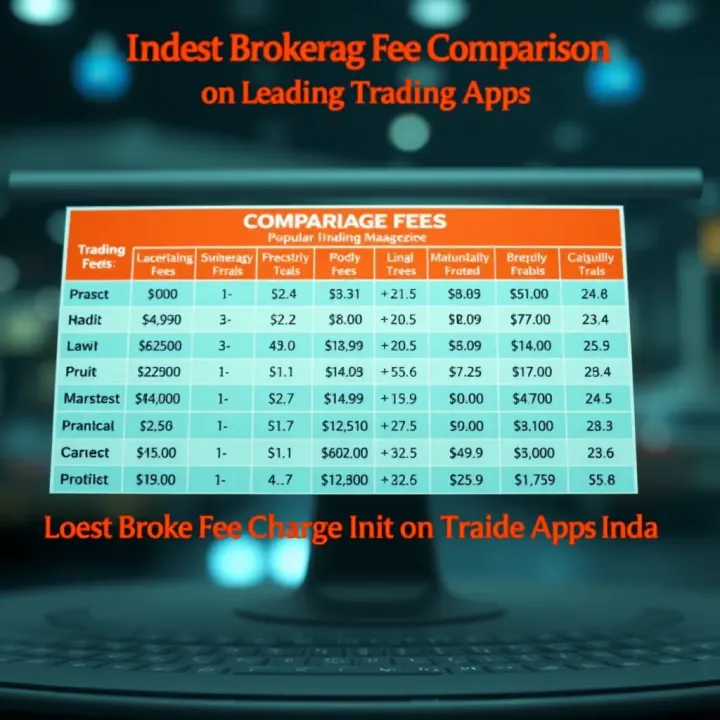
Discover how brokerage charges vary across India’s top trading apps 📉. Learn tips to reduce costs while keeping quality service and features intact.
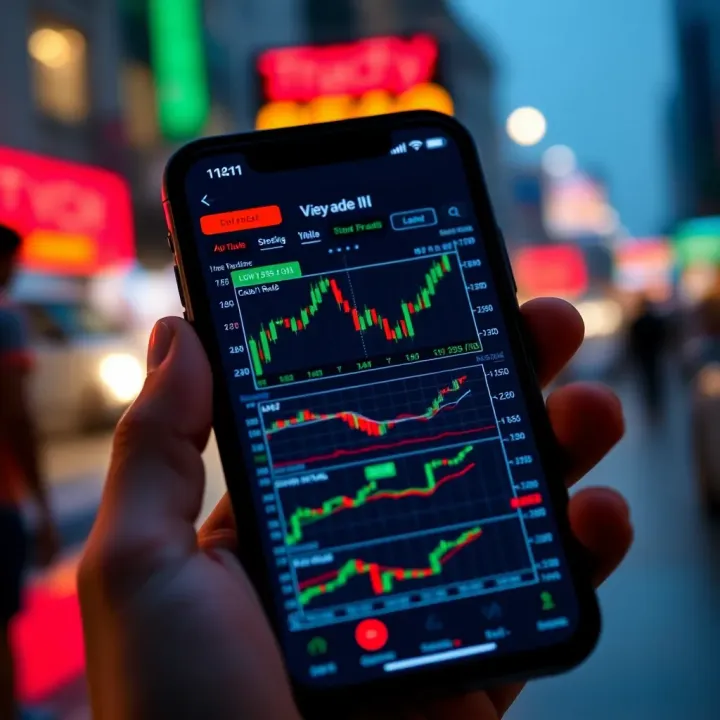
Looking for the best low brokerage option trading app in India? Compare features, costs, and popular platforms to save on fees and trade smartly 📉📱
Based on 8 reviews