
No Brokerage Trading Apps in India: A Clear Guide
Explore no brokerage trading apps in India 📱. Learn how they work, hidden costs, benefits & tips to choose the best app for your investment style.
Edited By
Emma Thompson
Zero brokerage trading apps have changed how Indians invest in the stock market, offering a way to trade without paying commission fees. This model appeals especially to retail investors and beginners who want to keep costs low and maximise returns. However, simply opting for 'zero brokerage' isn't enough—you need to look beyond to choose the right app for your trading needs.
Trading costs involve more than just brokerage. Many apps may advertise zero brokerage yet charge fees elsewhere, like account maintenance, call and trade services, or penalties for insufficient balance. For example, Zerodha introduced zero brokerage on equity delivery trades but levies other fees on derivatives and intraday trades. Understanding these nuances protects you from unexpected expenses.

Apps offering zero brokerage typically earn revenue through other streams, such as payment for order flow, interest on funds in your account, or premium services. So, choosing a platform requires reviewing its fee structure comprehensively.
The right zero brokerage app should combine cost-effectiveness with strong security features, seamless user experience, and reliable customer support. Apps like Upstox, Groww, and Angel Broking have gained popularity by balancing these aspects effectively.
Remember, a no-commission offer itself is just a piece of the puzzle. Assess the app's regulatory compliance with bodies like SEBI and its ease in account set-up, fund transfers, and access to varied investment options.
When looking for an ideal trading app, give weight to these factors:
User Interface: Easy navigation matters, especially if you're transitioning from traditional methods.
Trading Tools: Real-time data, technical analysis charts, and news updates empower better decisions.
Customer Support: Quick responses can be a lifesaver in volatile markets.
Hidden Charges: Watch for annual maintenance charges (AMC), call and trade fees, or inactivity penalties.
Today’s traders want efficient platforms that keep expenses low but don’t compromise on features or security. Zero brokerage trading apps offer a path toward that, but evaluating each option carefully will ensure you avoid pitfalls and benefit fully from digital investing in India.
This article will examine top zero brokerage trading apps, their strengths, limitations, and what to look for when making your choice.
Zero brokerage trading apps are reshaping how Indians invest in stocks. These platforms promise to eliminate or drastically reduce the commission fees traders usually pay when buying or selling shares. Getting a grip on what zero brokerage means is essential before diving into trading because it directly affects your costs and returns.
Zero brokerage means you don't pay any commission fee per trade, whether you're buying or selling securities like stocks, exchange-traded funds (ETFs), or derivatives. For example, if you use an app like Zerodha or Upstox, they may offer zero brokerage on equity delivery trades, making it cheaper to invest over the long term.
This doesn’t mean all charges vanish. Other costs—such as Securities Transaction Tax (STT), GST, and transaction charges—still apply as per regulatory rules. But waiving brokerage significantly reduces your upfront expense.
Reducing brokerage trims your trading expenses, especially if you trade frequently or invest small amounts. Suppose you made 10 trades a month, each costing ₹20 as brokerage earlier. That's ₹200 monthly or ₹2,400 yearly just in commissions.
Using zero brokerage apps brings these zeros down, boosting your net profits and easing systematic investment plans (SIPs) in stocks. More savings on trading costs means a better compounding effect on your invested capital.
However, beware that zero brokerage mainly benefits equity delivery segments. Intraday or derivative trades often attract other fees, and not all zero brokerage offers apply there.
While the term sounds straightforward, zero brokerage plans often come with conditions. Some apps offer zero brokerage only up to a certain trade volume or value in a month. Post that, normal charges may apply.
Other platforms might exclude certain products, like options or futures, from the zero brokerage promise. For instance, Zerodha allows zero brokerage on equity delivery but charges on intraday and F&O trades.
Always check the fine print. Hidden costs like penalties for insufficient funds, inactivity fees, or charges for advanced research tools can add up.
In short, zero brokerage apps help reduce trading overheads, but traders should scrutinise terms before committing. A clear understanding helps in selecting an app that suits your trading style and minimises surprises in costs.
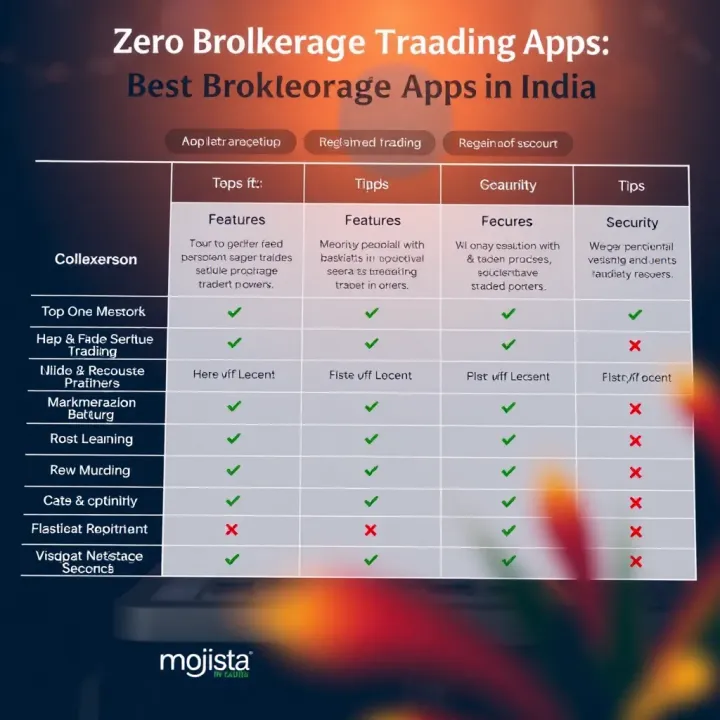
Zero brokerage trading apps have dramatically changed how Indians participate in the stock market. For traders and investors, these apps minimise direct costs, helping keep more of their returns. But zero brokerage isn't the sole factor to consider; you also need to look at the full package these apps offer.
Several apps in India have gained wide recognition for offering zero brokerage on equity delivery trades, making them popular among retail investors. Zerodha, Upstox, and Groww stand out, each catering to different trading habits and preferences.
Zerodha is often the preferred choice for serious traders due to its reliability and wide product range, including stocks, mutual funds, and commodities.
Upstox appeals to traders looking for a balance between advanced tools and cost-effective trading, especially in tier-2 cities.
Groww initially started as a mutual fund platform but now offers stock trading with zero brokerage, targeting new investors with a simple interface.
Each platform brings its own strengths, but all eliminate brokerage on equity delivery, encouraging long-term investment.
The zero brokerage label can be misleading if not accompanied by other important features. Look beyond the headline to spot genuine value.
Trading Tools: Zerodha’s Kite offers advanced charting and indicators tailored for active traders, while Groww focuses on simplicity with easy portfolio tracking.
Research and Insights: Upstox provides customized market news and alerts, helping users make timely decisions.
Investment Options: Groww supports direct mutual fund investments with no commissions, which is a plus for systematic investors.
Account and Fund Management: Automated deposits and seamless bank linking make trading smooth.
These features can make trading less tedious and more informed, differentiating apps beyond just zero brokerage.
How user-friendly the app is matters a lot, especially for new investors. An intuitive design reduces errors and saves time.
Zerodha Kite employs a clean layout but may seem complex to beginners due to its advanced options.
Groww is crafted for simplicity, with clear navigation and minimal jargon, which works well if you’re just starting.
Upstox Pro caters to intermediate users with customizable dashboards for quicker access.
Apps that update regularly and fix bugs fast create trust. Responsiveness during market volatility, when volumes spike, is crucial to avoid execution delays.
Choosing a zero brokerage app involves balancing cost savings with tools, support, and ease of use, all tailored to your trading style.
In sum, understanding the strengths and limitations of leading zero brokerage apps helps you pick one that fits your trading needs in India’s dynamic market environment.
While zero brokerage is a major attraction, it’s equally important to look beyond just the trading fees when choosing a trading app. Lower brokerage may reduce upfront costs, but other features directly impact your trading efficiency, convenience, and security. Trading tools, payment options, and regulatory compliance can influence your overall experience and profitability.
Good trading apps offer more than just a platform to buy and sell shares. They provide powerful tools and data to help you make informed decisions. Look for apps with real-time market data, advanced charting features, and customised alerts—features that Zerodha Kite and Upstox Pro deliver effectively. Research resources such as stock screeners, expert recommendations, and fundamental analysis can give you an edge. For instance, ICICI Direct offers detailed reports and market news integrated within the app, which helps investors spot trends without jumping between websites.
Ease of fund transfers can make or break your trading experience. Choose apps that support multiple payment methods including UPI, net banking, and e-wallets like Paytm or PhonePe. Fast deposit and withdrawal processes are crucial—delays can mean missed opportunities. It is practical to pick an app with zero or minimal charges on fund transfers, especially if you trade frequently. Some apps, such as Groww, provide instant deposits through UPI, enabling you to act swiftly on market movements.
Security cannot be compromised, especially when handling money and sensitive data. Confirm that the app adheres to regulations set by the Securities and Exchange Board of India (SEBI). Check for two-factor authentication, biometric login, and encryption protocols. Apps like Angel One and 5paisa follow strict compliance norms and have strong security layers to protect your investments. Always verify if the app regularly updates its software to patch vulnerabilities, keeping your account safe from hacking or phishing attempts.
Always remember, a zero brokerage app that lacks in these areas may cost you more in the long run through lost trades, slow transactions, or security risks. Evaluating these features alongside brokerage charges ensures you pick an app that truly suits your trading needs in the Indian market.
Efficiently setting up and using zero brokerage trading apps can save you both time and money, making your investment journey smoother. These apps promise no brokerage charges, but understanding how to get started and use them wisely ensures you actually benefit from the cost savings.
Opening a trading account on zero brokerage apps is typically straightforward. Most apps like Zerodha Kite, Upstox, or Groww allow instant online registration. First, you need to have your Aadhaar, PAN, and bank details handy. The usual process involves submitting these documents digitally, completing an e-KYC (electronic Know Your Customer) process, and signing the necessary forms electronically.
For example, Zerodha lets you finish account opening within a day if your documents are clear, speeding up access to the markets. Always double-check that you link your savings account properly; this is vital for smooth fund transfers later.
While zero brokerage sounds cost-free, some charges like Securities Transaction Tax (STT), Goods and Services Tax (GST), or stamp duty still apply. To benefit fully, keep track of these and choose a trading pattern that suits you. For instance, frequent traders could use intraday or F&O (futures and options) trades where zero brokerage applies, but long-term investors might want to ensure their app doesn't levy yearly maintenance charges.
Also, watch for withdrawal fees or inactivity charges imposed by certain platforms. Using apps with transparent fee structures such as Groww or Zerodha helps you avoid surprises. Make use of in-app notifications to stay updated on charges and offers.
Successful trading depends as much on discipline as on costs. Use the research and analysis tools integration that most zero brokerage apps offer. For example, accessing NSE or BSE live data and charting tools can inform better decisions without extra charges.
Maintain a routine of reviewing your portfolio regularly and setting stop-loss orders to limit losses during volatile times. Avoid impulsive trades motivated by zero brokerage alone; assess market conditions and fundamentals clearly. Remember, cost savings matter, but strategy matters more.
Setting up your account carefully and understanding app features helps you avoid hidden fees and improves your trading experience with zero brokerage platforms.
Following these steps and tips, you can make the most of zero brokerage advantages in Indian trading apps, blending cost savings with effective investment practices.
Choosing the right zero brokerage trading app requires looking beyond the headline — zero fees. Several factors determine how well the app will suit your trading style and financial goals in the Indian market. Be mindful of costs, service quality, and software reliability to avoid surprises down the line.
While zero brokerage sounds appealing, many apps charge extra fees that chip away at your profits. Watch out for transaction charges such as stamp duty, securities transaction tax (STT), or stamp duty upliftments that may still apply. For example, some apps waive brokerage but impose fees on order cancellations or for using advanced trading tools. It’s sensible to read the fine print carefully and calculate the overall cost impact on your trades. If you tend to trade frequently, even small hidden fees can add up to a significant amount.
Good customer support saves headaches, especially during technical glitches or trade disputes. Evaluate how easily you can reach the support team through chat, email, or phone and how quickly they resolve issues. Apps like Zerodha and Upstox have fairly responsive support, whereas lesser-known startups sometimes get poor reviews for delayed responses. Test the support by asking a few queries before you fully commit to opening an account. Besides responsiveness, look for clear educational content and FAQs that can help you learn without waiting for assistance.
A trading app that crashes often or lags can lead to missed opportunities or execution errors, which can be costly. Check user reviews for mentions of frequent downtime or slow screens. Apps that update regularly, addressing bugs and introducing new features, usually provide a smoother experience. However, avoid apps that push mandatory updates too frequently in a disruptive way. Stability is especially crucial during volatile market hours when speed and accuracy count the most.
Even if you initially pick an app offering zero brokerage, choosing one with hidden fees, unreliable customer service, or unstable software can cost you more than paying nominal brokerage elsewhere.
Keep these factors in mind while weighing options to select a zero brokerage app that truly supports your trading needs and protects your investments effectively.
Explore no brokerage trading apps in India 📱. Learn how they work, hidden costs, benefits & tips to choose the best app for your investment style.
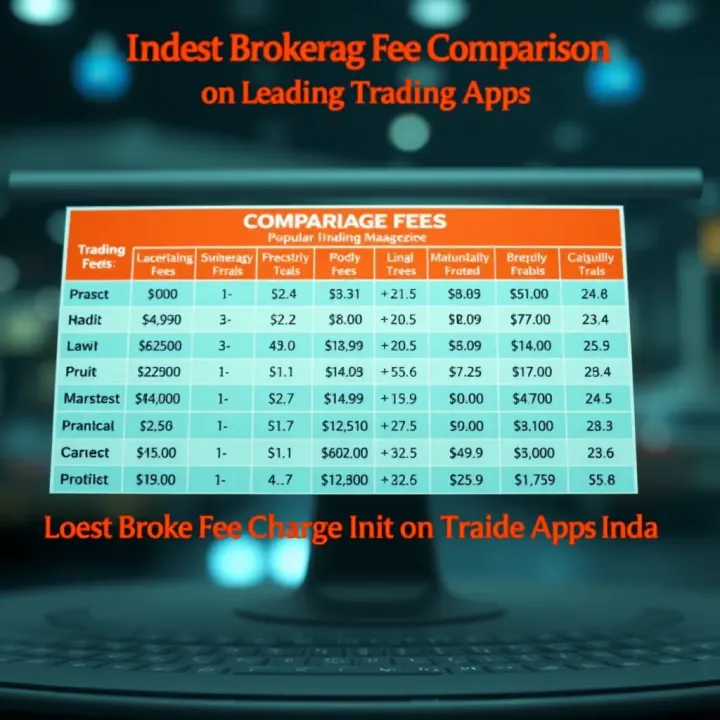
Discover how brokerage charges vary across India’s top trading apps 📉. Learn tips to reduce costs while keeping quality service and features intact.

Looking for the best low brokerage option trading app in India? Compare features, costs, and popular platforms to save on fees and trade smartly 📉📱
📱 Find the best mobile trading app in India with expert tips on features, security, costs & top choices. Start smart and trade securely for your financial growth!
Based on 7 reviews