

Lowest Brokerage Charges for Intraday Trading in India
📉 Discover how to find the lowest brokerage charges for intraday trading in India, compare brokers, and save costs to boost your trading profits effectively.
Edited By
Isabella Reed
Trading in the Indian stock market has become increasingly accessible thanks to a slew of trading apps. But one question nags every trader and investor: how much does it actually cost to trade? Brokerage charges, although often overlooked, can eat into profits significantly—especially for active traders.
This article will shed light on how brokerage fees work, what sort of charges you can expect from popular trading platforms like Zerodha, Upstox, and Angel Broking, and how these fees impact your overall trading costs. We’ll break down fee structures, point out hidden costs, and help you figure out which platforms offer the most value without compromising essential features.
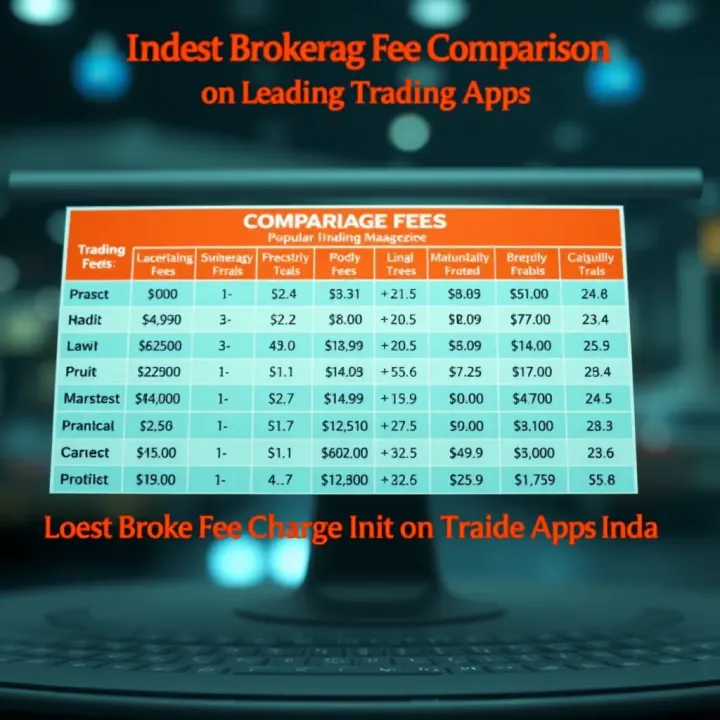
Understanding these charges isn’t just a matter of saving a few rupees here and there. In the long run, picking the right brokerage plan can mean the difference between modest gains and solid returns. We’re here to cut through the noise and give you clear, no-nonsense insight into the brokerage landscape in India.
Remember: The cheapest brokerage isn’t always the best if the platform lacks reliable service or tools you need. Balancing cost with quality is the key.
Let’s dive in and take a closer look at what shapes brokerage fees and how you can navigate your options wisely.
Understanding brokerage charges is essential for anyone stepping into the Indian trading scene. These fees directly impact your overall cost when buying or selling stocks via trading apps. With the rise of digital platforms, brokerage charges have become more transparent, yet they vary widely depending on the broker and the trading plan you choose.
For instance, a trader using Zerodha’s flat fee model pays a fixed amount per trade, which can be a boon for high-volume traders, while someone with a smaller portfolio might find percentage-based fees on platforms like ICICI Direct more suited to their needs. Knowing these differences helps traders make an informed decision that fits their trading style and budget.
Introducing the concept clearly lays down the foundation for deeper insights in this article on how brokerage charges shape trading expenses and strategies in India.
Brokerage charges are fees that brokers collect for facilitating a trade on your behalf. Think of it as the commission a middleman takes for connecting buyers and sellers in the stock market. This charge is the primary way brokers earn income from the trading services they provide. Without it, the infrastructure that supports trading apps and the platform's upkeep wouldn’t be sustainable.
In practical terms, these charges help cover not just the trade execution but also the ongoing technological and support systems. For example, when you place an order through Groww or Upstox, part of what you pay as brokerage goes toward keeping the platform smooth and accessible.
Brokerage fees can stack up quickly if you're not careful. For a casual trader, paying a high brokerage on every trade might eat into your profits or balloon your losses over time. Say you trade shares worth ₹50,000 every week, and the brokerage fee is ₹20 per trade; monthly, that sums up to ₹160 just on brokerage. Now, if the fee were percentage-based at 0.1%, that's ₹50 per trade, which adds up faster.
The kind of brokerage fee model you fall under—flat fee or percentage-based—raises or curbs your trading costs. It's key to weigh these fees against your trading volume and frequency to keep costs reasonable.
Even small brokerage fees affect your net returns when you trade frequently or in large amounts. Imagine your stock picking is spot-on, but your earnings shrink because of high brokerage costs. Over a year, these fees can reduce your investment gains by a significant margin.
A trader dealing in options or futures, for instance, often faces higher brokerage charges than one trading in equities, impacting the final payout considerably. Keeping an eye on fees ensures you don’t throw away profits on unnecessary costs.
One prevalent myth is "lowest brokerage means best deal," but this isn't always true. Sometimes these low or zero brokerage plans come with hidden conditions like higher account maintenance fees or limited product offerings. Also, cheaper brokerage doesn't guarantee quality service—customer support and platform reliability are equally vital.
Some investors confuse brokerage with taxes or regulatory charges like Securities Transaction Tax (STT); however, brokerage is separate and negotiated with the broker. Knowing this distinction helps avoid surprises on your bill.
Remember, choosing a broker isn’t just about saving on fees but balancing costs with service quality and trading needs.
In summary, brokerage charges in India affect your trading budget, strategy, and ultimately, your investment returns. Understanding what these charges are, how they work, and why they matter equips you to pick the right trading app suited to your style and pocket.
When you’re trading on Indian stock markets, knowing the type of brokerage charge you’ll face is pretty important. It directly impacts how much you pay per trade, which, over time, can add up to big savings or unexpected expenses. Brokerage fees come in a few common flavors, each with its quirks—flat fees, percentage-based fees, and zero brokerage models. Understanding these helps traders of all levels pick the best fit for their style and budget.
Flat fee brokerage means exactly what it sounds like: a fixed amount is charged on every trade, regardless of its value. For example, Zerodha charges a flat ₹20 per trade for equity intraday, which means whether you buy stocks worth ₹5,000 or ₹50,000, you pay ₹20. This model keeps things straightforward—no surprises when trades get bigger.
This can be a boon for high-value trades where percentage fees would have meant paying more. It makes cost calculation simpler and keeps the trading budget predictable.
One major upside of flat fees is its clarity and fairness for bigger trades. Traders who regularly handle large amounts might find flat fees save them quite a bit. Also, flat fees typically encourage frequent trading, as each trade costs the same no matter how small.
On the downside, for small traders or those dealing in low-value trades (think ₹1,000 or less), flat fees might feel steep. Imagine paying ₹20 on a ₹500 trade — that’s 4% just gone in fees! Plus, some platforms may have limits or tiered structures, so not every flat fee is created equal. You’ve got to check the fine print.
Percentage-based brokerage calculates fees as a slice of your trade value. For example, ICICI Direct charges roughly 0.5% of the transaction amount. If you buy shares worth ₹10,000, your brokerage might be ₹50 — if it’s a 0.5% fee.
Unlike flat fees, this means if your trade is larger, you'll pay more in fees, and smaller trades come cheaper. The formula looks like this:
Brokerage Fee = Trade Value × Brokerage Percentage
Percentage fees work well for casual or low-volume traders doing smaller trades sporadically. It means they aren’t paying a fixed chunk no matter how tiny the trade is. Also, if you’re cautious and mostly deal in modest trade sizes, this model could keep your fees proportional and manageable.
However, if you start moving big amounts regularly, the costs can pile up fast compared to flat fees.
A few apps, like Upstox and Groww, advertise “zero brokerage” on stock investments, grabbing attention. What they mean is they don’t charge any direct brokerage on delivery trades, which is buying stocks and holding them for more than one day.
This has made investing more accessible, especially for beginners or those just testing the waters. It’s a popular selling point as it slashes upfront costs.
But zero brokerage isn’t free lunch. These platforms often charge for other services like call and trade, margin funding, or priority support. Sometimes they make money from the bid-ask spread or use your data differently.
Moreover, zero brokerage usually applies to delivery trades, while intraday or derivatives might still carry fees. The catch is to read the fine print because "zero" can come with hidden costs.
Keep in mind: lowest upfront cost doesn’t always mean cheapest overall. Factor in other fees and app features before settling.
Understanding these brokerage types empowers you to select a trading platform that aligns with your bankroll and trading habits. Each model suits different trading profiles, and weighing pros and cons ensures you’re not caught off guard by unexpected charges.

Choosing the right trading app isn't just about how low the brokerage rates are; it's equally about how reliable and user-friendly the platform is. This section wades through leading trading apps in India, focusing on their brokerage costs and how these costs stack up with the services on offer. For traders, especially those grappling with tight budgets or new to the game, understanding these nuances helps in making a well-rounded decision rather than just hunting for the cheapest deal.
Let's look at popular names like Zerodha, Upstox, and Groww, which have made waves with their affordable brokerage models. Zerodha pioneered the flat fee approach charging a flat ₹20 per trade regardless of the size, which works well for high-value traders but could cost less for smaller trades on percentage-based platforms. Upstox is close on Zerodha's heels, both offering zero brokerage on equity delivery but charging fixed ₹20 for intraday trades.
Groww recently joined the discount brokerage bandwagon with ₹0 brokerage on equity delivery and flat fees on intraday and F&O. While these are some of the lowest charges in the market, it’s key to notice that apps like Angel Broking offer similar fees but bundle in advisory services that might justify the slightly higher costs.
Knowing these differences saves you from being eyed up by hidden charges or underwhelmed by unfit trading plans.
Most of these platforms boast a transparent fee structure. Zerodha and Upstox clearly state their flat intraday charges and zero brokerage on delivery trades. Groww is similar but also restricts zero brokerage benefits to stocks listed on NSE and BSE, which might matter for someone dabbling in less common securities.
For options and futures, while the brokerage fee remains fixed or minimal, watch out for additional transaction costs and regulatory charges. The takeaway? Low brokerage is great, but understanding what trades incur those charges helps keep costs predictable.
Really, it’s not always the sticker price on brokerage that counts. Take a moment to chew over what you get alongside those fees. A platform like Zerodha provides access to Kite, a powerful and intuitive interface with charting tools and real-time data. Meanwhile, Angel Broking offers personalized advisory and portfolio management services that could tip the scales in their favor for some investors.
This matters because sometimes slightly higher fees come bundled with features that save you time or improve your trading decision — a worthwhile investment for active traders.
Remember, a lower brokerage fee doesn’t automatically mean better returns if the platform's tools or support end up limiting your trading effectiveness.
Besides basic trade execution, many apps include added features that count as part of their value proposition. Zerodha offers smallcase integration, letting users invest in thematic baskets of stocks, which is neat for hands-off investors trying to diversify. Groww and Upstox support instant account opening and mutual fund investments in the same app, making it handy if you like managing your portfolio all in one place.
Customer support also varies widely. While some platforms maintain 24/7 helplines, others rely on email responses, which might frustrate when timely help is needed.
So, it's smart to weigh these extras against the brokerage charges. Sometimes paying a rupee or two more is a small price for smoother trading and better support.
Brokerage charges aren’t fixed in stone; several factors shape how much you end up paying when trading through apps. Understanding these can give traders a leg up in choosing the right platform and saving some bucks. From how often you trade, to what you trade, and even the type of account you hold—all these affect brokerage fees in noticeable ways.
How frequent trading affects fees: The more you trade, the more brokerage firms tend to notice. Many brokers roll out tiered fee structures where active traders benefit from lower per-trade charges. Think of it like a frequent flyer program; if you’re making several trades a week, platforms like Zerodha or Upstox begin to offer you volume rebates or even a flat fee for unlimited trades. On the flip side, if you’re a casual trader, those small brokerage percentages can add up quickly, squeezing your profits.
Frequent traders should look out for platforms offering "unlimited trading plans" or volume-based discounts, as these can chop off a significant chunk from overall trading cost.
Discounts and incentives for active traders: Brokers often roll out incentives to keep their heavy users coming back. These can range from cashback offers, reduced fee plans, or free access to premium features. For example, Groww has occasionally provided discounts on brokerage fees for customers crossing certain monthly trade counts. Active traders should always check for such ongoing promotions or negotiate directly with brokers for better rates once their trading volume hits a threshold.
Differences in charges for stocks, options, commodities: Not all trades come with the same fee tag. Equity shares, options, and commodities often carry different brokerage structures. Typically, options trading attracts higher fees due to its complexity and risk profile. For instance, ICICI Direct charges different brokerage slabs for equity delivery, intraday and derivatives trades. In commodities, platforms like Angel Broking sometimes have slightly higher brokerage to cover regulatory costs. This means picking a broker with specialized, lower-cost options on the specific securities you prefer is a smart move.
Choosing a broker that offers competitive rates for the securities you actually trade can keep costs lean and profits healthier.
Impact of account tier or subscription model on brokerage: Many trading apps offer multiple account types—basic, premium, or VIP—each with its own fee setup. Sometimes paying a modest monthly or annual subscription slashes your per-trade brokerage significantly. For example, Zerodha’s "Kite" platform charges ₹20 per trade up to ₹1 lakh but offers discounts or zero brokerage with subscription plans or in partnership with mutual funds.
Account tiers often bundle added services like advanced charting tools, dedicated customer support, or faster trade execution. While a higher tier means upfront costs, active traders might find these plans worth every rupee given the long-term savings on brokerage fees.
Before signing up, consider your trading style and frequency to pick a plan that suits you best and avoids unnecessary expenses.
Knowing these factors helps make an informed choice about which trading app suits your needs and wallet best. Being aware means you’re not just chasing the lowest number but finding the smartest fit for your trading habits.
Choosing a trading app with the lowest brokerage fees isn't as simple as picking the cheapest option. You need to balance fees with the app’s features and reliability. After all, a couple of rupees saved on brokerage can quickly be wiped out if the app is glitchy or customer support is lacking.
A smart choice involves understanding your own trading habits, the types of securities you trade, and how frequently you make transactions. Some traders might find that paying a slightly higher fee for more robust tools or timely customer help actually saves money and stress in the long run. Basically, finding the right app means lining up its costs and capabilities with your personal trading style and requirements.
Knowing your trading style is key to choosing an app that won’t burn a hole in your pocket. Frequent traders, like day traders or scalpers, move lots of orders daily and need very low or flat brokerage charges. For example, Zerodha charges a flat ₹20 per trade on intraday equity, which suits high-volume traders.
In contrast, if you're a buy-and-hold investor making fewer trades each month, a percentage-based fee might not hurt as much. Some apps, like ICICI Direct, charge fees based on trade value but offer a range of investment options and research reports that benefit long-term investors.
The big takeaway? Match your broker fees to how often and how you trade — otherwise, you'll pay more than you should.
Making decisions only by lowest brokerage costs can be misleading. It's easy to overlook app usability, platform stability, and customer support quality. Imagine getting stuck with a platform that freezes during market hours or takes forever to answer your calls.
Here are key features to consider:
User-friendly Interface: Apps like Upstox and Angel Broking offer clean designs that make placing orders quick and easy.
Research and Insights: Quality tips and real-time data can justify slightly higher fees.
Customer Service: Quick, helpful support can save you time — better than spending hours troubleshooting on your own.
Multiple Investment Options: Apps offering stocks, mutual funds, commodities, and derivatives give you more flexibility.
Sometimes paying a few extra rupees per trade makes sense if you avoid headaches and operate more efficiently.
By balancing your trading style with a broker’s fee structure and looking beyond just brokerage to real-world app performance and support, you'll find a trading platform that fits both your budget and your investing needs.
When you're picking a trading app, it's easy to zero in just on brokerage charges because they’re what grab the most attention. But brokerage is only part of what you'll pay. Other costs can sneak up and affect your bottom line more than you'd expect. Knowing about these additional fees helps you budget better and avoid surprises.
Beyond brokerage, some trading apps tack on several fees that you should keep an eye on.
Account opening fees and maintenance charges are fairly common. For instance, a few platforms still charge a small fee when you first open a Demat or trading account, sometimes around ₹300 to ₹500. Once you're set up, there might be an annual maintenance charge (AMC), often between ₹300 to ₹700 per year. While these numbers might seem small on their own, for a casual trader or someone testing multiple platforms, these fees can add up. Zerodha, one of the popular discount brokers, charges an AMC of around ₹300 yearly, which is considered reasonable. But some full-service brokers might charge more, so always check before signing up.
Then there are transaction fees unrelated to brokerage, like stamp duty or clearing fees that exchanges levy. These aren't exactly hidden, but many new traders overlook them. For example, every time you execute a trade, a nominal stamp duty is applied by both the buyer and seller according to local state guidelines — this varies but is typically around 0.015% of the transaction amount. Some trading apps also charge a clearing fee for settling transactions, which might be a small fixed amount or a percentage based on the trade value. These charges directly affect the trade's net cost and can't be ignored if you're actively trading.
On top of broker and platform fees, your trades attract taxes and statutory charges mandated by the government and regulatory bodies. These can sometimes surprise traders unprepared for their impact.
The Goods and Services Tax (GST) is levied on brokerage fees and other service charges. Typically, GST is 18% of the brokerage charge itself, so if your broker charges ₹20 on a trade, you pay an additional ₹3.60 as GST. It's worth doing the math to understand what your total payment looks like after taxes.
Another big one is the Securities Transaction Tax (STT). This tax applies to every buy and sell transaction involving equities or derivatives, usually at a rate of 0.1% to 0.025% depending on the type of security. For example, if you purchase shares worth ₹50,000, STT might cost you ₹50. Though it looks small, frequent traders notice the cumulative effect.
Besides these, there are other levies like SEBI turnover fees, transaction charges by exchanges, and stamp duty, which all pile up. Together, these costs can represent a meaningful chunk of your total trading expenses—especially if you don't trade in large volumes.
Remember: The lowest brokerage alone doesn't mean the cheapest overall. Always add up all platform fees, taxes, and regulatory charges to get the real cost of trading.
By factoring in account and maintenance fees, transaction costs beyond brokerage, and government taxes, you’ll be able to compare trading platforms more realistically and choose one that truly fits your budget and trading style. This clarity can save you from unpleasant shocks and help you maximize net returns over time.
When it comes to stock trading, every paisa counts. Brokerage fees might seem small per trade, but they add up quickly, cutting into your profits, especially if you trade often. So, knowing how to keep these charges low is a smart move. This section sheds light on practical ways traders can save on brokerage costs without sacrificing trading frequency or quality.
Many brokers in India, like Zerodha, Upstox, and Groww, roll out periodic discounts or cashback offers to attract and retain customers. These promotions might not always be front and center, so it pays to keep an eye out. Signing up for broker newsletters or following them on social media can keep you in the loop about such deals.
Check for introductory offers: New users often get waived brokerage fees for a limited period or free equity delivery trades. This can significantly reduce initial trading costs.
Utilize partner apps and referrals: Sometimes brokers collaborate with payment apps like Paytm or PhonePe to offer discounts.
Look for festival or seasonal promotions: Brokers tend to run special deals during Diwali or financial year-end when many traders are active.
Example: Zerodha has been known to provide zero brokerage on equity delivery trades, which can save traders who focus on long-term investing a lot of money over time.
Remember, while discounts help, always verify the terms, like minimum trade value or maximum number of discounted trades, to avoid surprises.
Instead of placing many small trades, you can save big by planning and grouping your trades strategically. Brokerage fees often apply per trade, so fewer, larger transactions reduce the number of fees paid overall.
Lower total brokerage: Paying one brokerage fee for a consolidated trade instead of multiple smaller ones cuts total costs.
Reduced transaction overhead: Besides brokerage, other fixed charges like transaction fees apply per trade.
Simplified portfolio management: Fewer trades mean easier tracking and less chance to miss important details during tax filings.
For instance, if you plan to buy 10 different stocks, instead of 10 separate orders, you could schedule your buys on fewer days or times when you bundle these orders via a single app interface, if supported.
Keep in mind, while consolidating, don’t lose sight of market movements or miss out on good opportunities. Smart trade timing combined with cost awareness is key.
By keeping these tips in mind, traders can significantly cut down on brokerage expenses, making investing more rewarding over time.
When it comes to brokerage fees, many traders jump to quick conclusions, often leading to costly mistakes. It’s common for investors and beginners to think the lowest brokerage rate automatically means the best choice. But trading apps and brokers structure their charges differently, and there’s more than meets the eye beyond the sticker price. Misunderstandings here can mess with your profits over time.
For example, traders might overlook additional costs bundled with low brokerage plans — like hidden transaction fees or poor platform reliability — and end up paying more than expected altogether. This section highlights some of the common myths around brokerage fees and explains why understanding the full picture matters, helping you make smarter decisions.
Choosing a trading app solely based on the lowest brokerage fees can be misleading. While saving on fees sounds great, it’s important to also consider the service quality and overall reliability of the platform. An app offering ultra-low brokerage but suffering from frequent technical glitches or weak customer support can cause delays, missed trades, or lost opportunities — costs you can’t simply measure in rupees and paise.
Quality platforms like Zerodha or Upstox balance affordable brokerage with a solid user interface, reliable order execution, and helpful customer service. Without these, even the lowest fee becomes irrelevant if your trades don't go through smoothly or issues take days to resolve.
Additionally, platforms might limit features under low brokerage plans, such as fewer charting tools or research reports. For traders relying on these extras, paying a bit more might make sense.
To sum up, look beyond just fees. Consider:
Trade execution speed and uptime
Customer support responsiveness
Available trading tools and educational resources
User reviews and ratings
This holistic check often reveals that lowest brokerage doesn’t always equal best overall value.
Even when a trading app advertises low brokerage, it’s crucial to read the fine print carefully to avoid surprises. Many platforms charge additional fees that add up quickly and might negate the appeal of a low brokerage rate.
Here are a few common charges to keep an eye on:
Account opening and maintenance charges: Some apps might charge for opening or yearly maintenance of your trading and demat accounts.
Transaction fees other than brokerage: Stamp duty, Securities Transaction Tax (STT), Goods and Services Tax (GST), and exchange fees may apply on each trade.
Call and trade charges: Making orders via phone instead of app often costs extra.
Penalties and inactivity fees: Some brokers charge if you don’t trade for a long time or if you fail to maintain minimum deposits.
For instance, an investor might happily trade commision-free using an app like Groww but notice yearly demat account maintenance fees eating into profits. Or you could be lured by a flat zero brokerage offer but pay higher GST or transaction charges elsewhere.
Always check the broker’s detailed fee structure before committing. Transparency varies widely across apps, and what looks cheap upfront might be expensive in hidden ways.
Being aware of these fees helps you calculate your true trading costs more accurately. It pays to ask the platform support for clarity if anything is unclear.
In short, never judge a brokerage offer by headline fees alone. Reading the fine print can save you from unexpected cost traps, making your trading experience smoother and more affordable in the long run.
Wrapping up, it's clear that understanding brokerage charges is not just about choosing the cheapest option. It's about balancing cost with quality service, ease of use, and the features that match your trading style. Taking time to compare different platforms, like Zerodha, Upstox, and Angel Broking, can save a neat sum over time, but also choosing poorly on support or platform reliability could cost more in the long run.
When making your choice, consider factors such as frequency of trades, preferred securities, and your overall investment goals. For instance, if you trade often, a flat-fee model might save you money, whereas occasional traders might be fine with percentage-based charges. Also, watch out for hidden costs like GST, STT, or account maintenance fees, which can quietly eat into your profits.
In short, paying the lowest brokerage doesn’t always mean you’re getting the best deal – always look beyond the fee to the full picture.
Here’s the quick lowdown from what we explored:
Brokerage charges can vary a lot, from zero to a flat fee or percentage of the trade value.
Flat fees work well if you’re an active trader doing many trades; percentage fees often benefit those making less frequent, larger trades.
Zero brokerage platforms might seem attractive but often come with other constraints or reduced service features.
Additional costs like taxes (STT, GST) and transaction fees are often overlooked but significantly affect overall costs.
Understanding these helps you avoid surprises and plan your trades better. For example, a trader frequently shifting between stocks and commodities needs to map out fees on each product separately to identify the most cost-effective platform.
Keeping tabs on brokerage charges isn’t a one-and-done deal; things change often. Here's what you can do:
Subscribe to newsletters from trusted financial websites like Moneycontrol or Economic Times Markets section. They often report updates on brokerage fees and policy changes.
Follow social media channels or Telegram groups focused on trading and investing. Real users share experiences which can spotlight fee changes or hidden costs.
Directly check updates on official app websites or their announcements sections. Many brokers post fee revisions ahead of implementation.
Use dedicated comparison tools or apps that track brokerage and transaction fees for various platforms— they offer a quick snapshot to help you decide.
Staying proactive this way ensures you keep your trading costs optimized, and you avoid sudden fee hikes that could dent your portfolio returns.
By understanding the fee structures deeply and regularly updating your knowledge, you set yourself up for smarter trading decisions that save money and improve your investment outcomes.
📉 Discover how to find the lowest brokerage charges for intraday trading in India, compare brokers, and save costs to boost your trading profits effectively.

Find the lowest brokerage trading app in India 📱 Compare fees, check hidden charges, security & customer support to choose the best platform for your investments 🔍
Discover how to pick the lowest brokerage trading app in India 📱💹 without sacrificing security. Compare features & fees to invest smartly today!
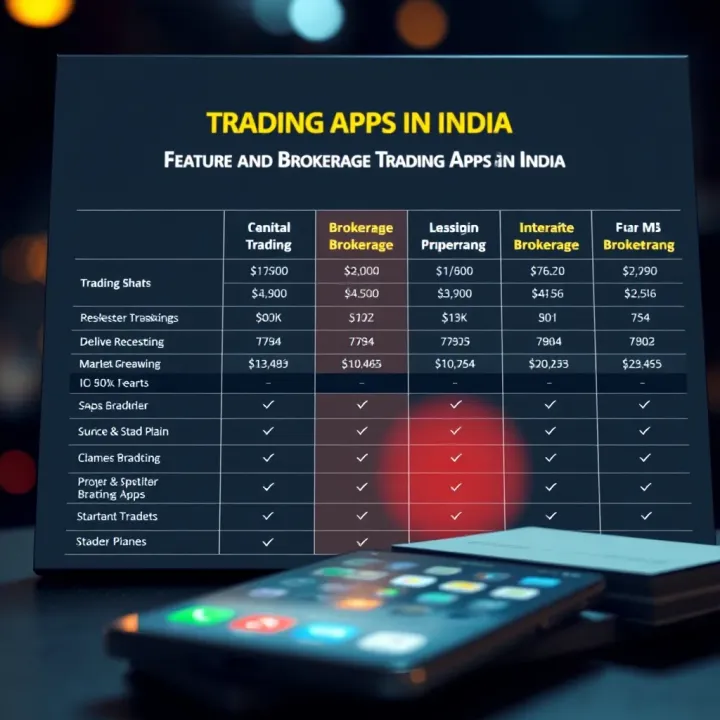
📈 Compare the best low brokerage trading apps in India! Find reliable platforms with minimal fees and powerful tools to trade smarter and save money.
Based on 11 reviews