

Choosing the Best Official Trading Apps in India
📱 Explore official trading apps in India! Learn key features, benefits, and how to choose the best app for security, ease, and your trading needs.
Edited By
James Carter
Forex trading has grown rapidly in India as mobile technology brings global currency markets to your fingertips. Today, Indian traders no longer need to rely on desktop platforms or brokers alone; mobile forex trading apps offer a convenient, real-time way to engage with currency pairs anytime and anywhere.
Choosing the right forex trading app matters. These apps differ widely on features such as ease of use, real-time charting, order execution speed, security measures, and charges like spreads or commissions. Understanding these factors helps you pick an app that suits your strategy and risk appetite.
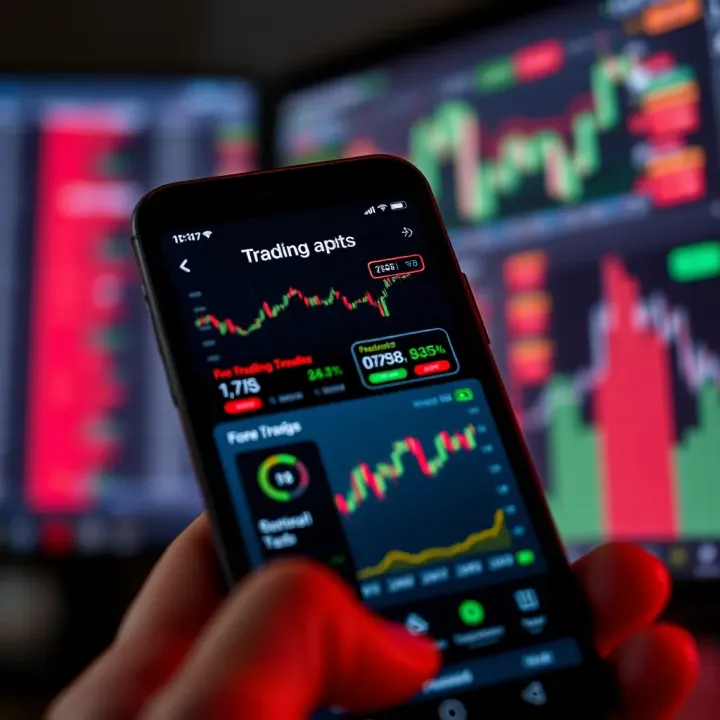
A user-friendly app with reliable security and competitive costs can improve your trading confidence and results.
This guide reviews the top forex trading apps available to Indian investors, explaining what to look for and how each platform performs based on key criteria.
Accessibility: Trade 24/7 markets from your mobile without needing a PC.
Instant Execution: Place orders quickly, which is vital for volatile currency pairs.
Real-Time Data: Monitor live prices, economic news, and technical indicators on the go.
Customisation: Set alerts, watch lists, and risk management tools tailored to your style.
Most apps also support multiple account types, including demo accounts for practising without financial risk.
User Experience: App layout, smooth navigation, and clarity of charts.
Security: Two-factor authentication, encryption, and regulatory compliance.
Costs: Spreads, commissions, and any withdrawal or inactivity fees.
Range of Instruments: Availability of major, minor, and exotic currency pairs.
Deposit and Withdrawal Options: Support for INR deposits via UPI, net banking, or wallets.
By evaluating these factors carefully, Indian traders can find a forex app that fits their needs and helps them trade effectively in a fast-paced market.
Choosing the right forex trading app can directly affect your trading success. For Indian traders, it is crucial to focus on features that enhance ease of use, security, and cost-effectiveness. A good trading app lets you execute trades quickly, analyse market movements accurately, and protect your data against cyber threats.
A clean, intuitive user interface (UI) saves both time and effort. For example, Zerodha Kite offers a clutter-free platform where traders can easily switch between charts, order forms, and watchlists without confusion. The smoother the navigation, the less chance you have of making errors during fast market movements. Features like drag-and-drop watchlists and quick order execution buttons make a noticeable difference.
Forex markets move fast, so apps should provide real-time prices and dynamic charts. Delays or lag can cost money, especially intraday. MetaTrader 5, for instance, offers live streaming quotes and advanced charting tools with multiple timeframes and indicators like RSI and MACD. Access to fresh, on-the-spot information helps traders react promptly to market changes.
Safety is non-negotiable in forex trading apps. Apps should use two-factor authentication (2FA), encryption protocols, and secure login methods. Indian traders must also check if the app follows guidelines from the Reserve Bank of India (RBI) and Securities and Exchange Board of India (SEBI) where applicable. IG Markets and Forex.com, for example, comply with strong data protection measures, ensuring your money and personal details remain safe.
Trading costs directly impact your profitability. Transparency regarding spreads (the difference between buy and sell price) and commissions matters. Some apps charge zero commission but have wider spreads, while others offer tight spreads with a small fee per trade. A trader using Forex.com might prefer tight spreads for frequent trades, whereas a long-term trader might choose a platform like Zerodha with lower overall costs.
Forex apps should provide a wide variety of currency pairs, including major, minor, and exotic ones like USD/INR, EUR/INR, and GBP/JPY. Indian traders often look for direct INR pairs to avoid multiple conversions. Also, check whether the app offers access to global markets or just the Indian forex market, as this broadens your trading opportunities.
Picking the right app is about matching features with your trading habits and security needs. Don't compromise on essentials like real-time data or protection measures just to save on costs.

In sum, the ideal forex app for an Indian user blends ease of use, reliable information, solid security, transparent fees, and comprehensive market access. Consider these features carefully to find an app that supports smart and secure trading decisions.
Finding the right forex trading app is key for Indian traders who want to tap into global currency markets efficiently. These apps offer quick access to real-time data, smooth order execution, and convenient fund management — all critical to profitable forex trading. Indian users must consider apps that support INR deposits, comply with local regulations, and offer relevant currency pairs like USD/INR.
Zerodha Kite is popular among Indian stock and commodities traders but its forex trading features remain limited. It offers an intuitive interface, seamless integration with Indian exchanges, and reasonable brokerage charges. However, for forex trading, Zerodha mainly supports currency futures and options on NSE with restricted access to spot forex markets. This limitation means traders looking for global forex pairs might find the app less suitable.
IG Markets provides a robust mobile app targeting Indian traders who want international forex exposure. It offers over 80 currency pairs alongside commodities and indices, backed by real-time quotes and advanced charting tools. IG Markets also ensures compliance with global regulatory norms, giving Indian traders confidence. That said, users should note the higher minimum deposit requirements compared to domestic platforms.
Forex.com is well-regarded globally and accessible for Indian users interested in forex trading. The app supports diverse currency pairs, competitive spreads, and useful features like economic calendars and risk management tools. Indian traders benefit from its educational resources, though the app requires completing KYC and adhering to RBI guidelines on forex dealing. Support for INR deposits varies, so traders must check payment options carefully.
MetaTrader 4 (MT4) and MetaTrader 5 (MT5) remain the gold standard in forex trading platforms globally. These apps are favoured by Indian traders for their wide range of technical indicators, automated trading via Expert Advisors, and customisable interface. Both platforms support multiple currency pairs and allow integration with numerous Indian and international brokers. MT5 builds on MT4’s features with additional timeframes, market depth data, and an economic calendar, appealing to more advanced traders. Using MT platforms gives Indian users flexibility and extensive analytical power.
Choosing the right app depends on your trading goals, currency preferences, and comfort with technical features. Consider not only costs and security but also how well the app suits your trading style.
Overall, Indian traders have access to a variety of forex apps suited for different needs—from local platforms like Zerodha Kite for currency derivatives to international options like IG Markets and MetaTrader for broader forex exposure.
Selecting a forex trading app that matches your trading style is key to making informed decisions and managing risks effectively. Different traders have varied needs—some focus on quick trades, others on in-depth market analysis, and some mix both approaches. A trading app that fits these preferences can enhance your overall experience and profitability.
Beginners require straightforward apps with easy navigation and educational resources. Such apps often come with demo accounts to let you practise without real money. For example, Zerodha Kite’s user-friendly interface suits freshers learning the ropes. In contrast, experienced traders look for advanced features like customisable charts and algorithmic trading options. They may prefer platforms like MetaTrader 5, which supports multiple order types and automated strategies. Understanding where you stand in your trading journey will guide you to the right app.
Analytical tools help traders spot trends and make decisions based on data rather than gut feeling. Beginners might find too many indicators overwhelming, so apps with preset analysis, simplified signals, or alert features work better. Experienced traders rely on a broad range of technical indicators such as MACD, RSI, and Bollinger Bands to fine-tune their entries and exits. Apps like Forex.com and IG Markets provide detailed charting and backtesting tools to aid this. Pay attention to apps that allow customisation of these indicators to suit your personal approach.
With busy schedules, many traders prefer apps with strong mobile capabilities to monitor markets on the go. However, serious analysis and strategy building often need desktop platforms with bigger screens and more processing power. Many forex apps offer seamless integration between mobile and desktop versions, keeping your data and trading history synced. For Indian traders, this flexibility is particularly useful—monitor trades on mobile during commutes and execute complex strategies on desktop at home or office.
Choosing a forex app aligned with your trading style—whether beginner or pro, mobile-focused or desktop-driven—helps you trade confidently and avoid tools that might bog you down.
Carefully consider your current needs and growth plans while picking an app. This reduces frustration and increases your chance of success in forex trading.
Trading forex on a mobile app is convenient, but it also demands a clear approach to safety and strategy. Following practical tips can protect your capital and ensure your trading remains effective, especially given the fast pace and volatility of forex markets.
Risk management is the backbone of successful forex trading, particularly when using a mobile app where distractions may crop up easily. It helps to set strict stop-loss orders to limit potential losses without needing to monitor your trades constantly. For example, if you buy the USD/INR pair at ₹73.50, placing a stop-loss at ₹73.00 would restrict a downturn to 50 paise. Also, avoid trading on margin without solid understanding, as leveraged positions can amplify both gains and losses dramatically. Many mobile apps provide built-in risk management tools; use them to control your exposure to the market.
Securing your trading account starts with strong passwords that combine letters, numbers, and symbols; avoid using the same password across multiple platforms. Enable two-factor authentication (2FA) whenever the app offers it—this extra step makes it harder for unauthorised users to access your account. Regularly updating your app and mobile OS patches security vulnerabilities often exploited by hackers. If you often trade on public Wi-Fi, consider using a VPN or avoid trading altogether to prevent data interception.
Always remember, one small security slip can lead to significant financial loss in the split seconds of a trade.
Demo accounts are invaluable for both freshers and experienced traders trying a new app or strategy. These accounts simulate real market conditions without using your actual money, letting you explore all features and test your trading approach without risk. For instance, many Indian-focused apps like Zerodha Kite provide demo environments that mimic the live markets. Practise placing orders, using technical indicators, and managing trades until you feel confident. Transitioning to live trading too quickly often leads to emotional decisions and losses, which demo trading helps you avoid.
Taking care of these aspects—risk management, account security, and practising on demo accounts—can raise your chances of success while trading forex on mobile apps in India. This pragmatic approach keeps your investments safer and your trading discipline sharper.
Understanding the regulatory landscape is essential for Indian traders dealing in forex markets. Adhering to guidelines set by Indian authorities helps you avoid legal troubles and ensures safer trading. This section breaks down key regulatory points relevant to forex trading apps accessed in India.
The Reserve Bank of India (RBI) and Securities and Exchange Board of India (SEBI) regulate forex trading within India. RBI restricts forex trading to currency pairs involving the Indian Rupee (INR) only, meaning you can legally trade currency pairs like USD/INR and EUR/INR through authorised brokers. SEBI oversees the securities market but also plays a role where forex trading overlaps with capital markets.
Indian law prohibits speculative forex trading in currency pairs that don’t include the INR, if conducted from within India. For example, trading USD/EUR on a platform not authorised by RBI for residents is illegal. RBI has authorised certain recognised stock exchanges, such as NSE and BSE, for trading currency derivatives involving INR pairs, providing Indian traders legal access.
Complying with RBI and SEBI guidelines protects you from penalties and potential account freezes. Many Indian forex trading apps cater exclusively to INR currency pairs to remain compliant.
While international forex platforms offer wider choice in currency pairs and tools, Indian traders must be cautious. Using foreign platforms that do not comply with RBI regulations risks violating Indian forex laws. Trading non-INR currency pairs through overseas apps from India generally falls outside RBI’s permissions.
That said, some apps may provide educational or demo accounts without breaching regulations, but live trading of unauthorised pairs can invite legal issues. Indian traders need to verify whether the foreign platform holds specific approvals or partnerships with RBI-regulated entities.
A practical example is Indian users accessing MetaTrader 4 or 5 that offer global brokers. The legality depends on the broker’s licensing and the currency pairs allowed. Traders must avoid falling into gray areas that may lead to frozen accounts or financial losses.
Forex trading profits in India are taxable under the Income Tax Act, but tax treatment varies depending on trading frequency and holding period. If forex trading is your business, profits are generally treated as business income, taxed at your applicable slab rates. Casual or occasional traders may pay tax under capital gains rules.
It is wise to maintain clear records of all trades, including app statements and transaction dates. Losses can be set off against gains in the same financial year or carried forward. Also, TDS (tax deduction at source) provisions may apply on payments from brokers.
For instance, if you earn ₹5 lakh from forex trading in a financial year and operate as a professional trader, you would include this income in your ITR under business income, adjusting for expenses and broker fees.
Indian traders should stay informed about evolving regulations and consult tax professionals to manage compliance effectively. Keeping updated ensures trading remains legally safe and financially efficient.
This regulatory knowledge helps you pick suitable forex trading apps and maintain lawful, secure trading practices in India.
📱 Explore official trading apps in India! Learn key features, benefits, and how to choose the best app for security, ease, and your trading needs.

Explore top trading apps for Indian investors 📱! Compare features, pricing, security, UX, and support to pick the best fit for your trading needs 💹.

Explore top Indian stock trading apps 📱 with tips on security, costs, and features. Trade smarter with mobile tools tailored for India's market 🇮🇳.

Find the best online trading app in India with our detailed guide 💹. Discover top features, security tips 🔒, cost factors 💰 & user-friendly platforms 🖥️.
Based on 12 reviews