

Best Zero Brokerage Trading Apps in India
Explore top zero brokerage trading apps in India 📱 Compare features, hidden charges, security & user ease to pick the best for cost-effective investing. 📊
Edited By
Isabella Turner
In recent years, free brokerage trading apps have transformed how Indians invest in the stock market. These platforms eliminate traditional brokerage fees, making trading more accessible to retail investors, students, and analysts alike. However, with many options flooding the market, choosing the right app requires understanding key features beyond just zero commissions.
Free brokerage apps vary widely in terms of user interface, security, and available investment products. For example, some platforms focus solely on equities, while others provide access to derivatives, mutual funds, and bonds. Moreover, certain apps are better suited for beginners, offering educational resources and straightforward order placement, whereas others cater to active traders by delivering advanced charting tools and real-time data.

Security stands out as a crucial factor. Top-tier apps comply strictly with SEBI regulations and ensure data encryption, two-factor authentication, and secure payment gateways. Users should verify whether the app maintains customer funds separately and offers insurance or protection against cyber threats.
While zero brokerage is tempting, assessing platform reliability, trade execution speed, and customer support quality often proves more impactful on your trading success.
Here are some practical points to consider before committing to a trading app:
User Experience (UX): An intuitive, lag-free interface speeds up trade execution and reduces errors.
Feature Set: Look for real-time market updates, portfolio tracking, and tools tailored to your trading style.
Hidden Charges: Some free apps impose fees on account opening, withdrawals, or call and trade services.
Regulatory Compliance: Confirm the app is registered with SEBI and the associated stock exchanges like NSE and BSE.
While apps like Zerodha Kite, Upstox Pro, and Angel Broking offer zero brokerage models, their strengths vary. Zerodha is widely popular for its simplicity and wide product range, Upstox appeals with competitive pricing on advanced features, and Angel Broking combines good advisory services with trading.
Choosing the best free brokerage trading app hinges on balancing cost savings with these factors. Ultimately, your trading goals, frequency, and familiarity with markets should guide which app feels best to you.
Free brokerage trading has reshaped how investors in India participate in stock markets. Understanding this concept is vital before choosing any free brokerage app because it directly impacts your trading costs and overall investment returns. Many first-time traders find free brokerage offers attractive, but the details behind "free" often need closer scrutiny.
Free brokerage means that the trading platform does not charge you commission fees when you buy or sell stocks, commodities, or other securities. For example, Zerodha and Upstox popularised this model in India, allowing users to trade without paying a percentage-based fee on each transaction. While brokerage charges are waived, other transaction costs like Securities Transaction Tax (STT) or platform fees may still apply. Hence, "free" mainly refers to zero commission on trades, not zero charges overall.
Free brokerage apps sustain their business through alternate revenue streams. One common approach is earning from margin funding — allowing traders to borrow money or shares and charging interest on these loans. Another source is payment for order flow, where the app directs trade orders to certain brokers or market makers for execution, earning a fee.
Some apps also offer premium services such as advanced analytics, advisory subscriptions, or priority customer support. Additionally, selling aggregated user data (without compromising confidentiality) to financial institutions may occur. This mix keeps app services "free" but financially viable.
The Securities and Exchange Board of India (SEBI) strictly regulates brokerage services, including free brokerage apps. All trading platforms must comply with Know Your Customer (KYC) norms and prevent money laundering through Anti-Money Laundering (AML) rules.
SEBI mandates transparency in fee disclosure and safeguards investor interest, making regulation a key factor in app selection.
While many free brokerage apps operate within the legal framework, investors should verify the app’s registration with SEBI and its adherence to security protocols. Apps from well-established players like Zerodha, Angel One, or Upstox generally offer greater protection, while newer entrants may carry more risk. Always cross-check user reviews, security features, and regulatory compliance before committing significant funds.
Grasping these elements of free brokerage trading apps helps investors make informed choices, avoid hidden costs, and trade confidently within India’s evolving financial market.
Choosing the right free brokerage trading app in India means looking beyond just zero brokerage charges. The leading apps offer a mix of features, smooth user experience, and reliable support that together improve your trading journey. These factors help traders and investors stay competitive and make informed decisions in fast-moving markets.

Apps like Zerodha Kite, Upstox Pro, and Groww have become popular thanks to their combination of zero or minimal brokerage fees and powerful trading features. Zerodha Kite, for example, offers advanced charting tools and quick order execution suitable for active traders. Upstox Pro supports multiple order types and even algo-trading for those interested in automation. Meanwhile, Groww provides easy mutual fund investment alongside equity trading, making it a versatile choice for beginners. These apps also support direct market access, live market data, and real-time portfolio tracking, helping you act swiftly during market movements.
When picking an app, ensure it supports the specific types of trades and investment instruments you prefer, whether equities, derivatives, commodities, or mutual funds.
User experience (UX) can make or break your trading routine. Apps with cluttered interfaces or delayed responses cause frustration and may even lead to costly mistakes. Zerodha Kite has a clean interface, quick navigation, and stable connectivity even during high volatility. Upstox Pro offers a dark mode for night traders and customisable watchlists for easier stock tracking. Groww focuses on simplicity with a one-page dashboard showing portfolio and market trends to help first-time users navigate smoothly.
Technology-wise, these apps run on robust backend systems integrated with India's main stock exchanges like NSE and BSE. The support for UPI payments and seamless linking with Aadhaar and PAN cards simplifies funding your account. Integration with tools such as Google Pay or Paytm also lets you handle money flow without hassles.
Strong customer support is critical, especially for new traders who may face issues with order placement or app functionalities. Zerodha offers timely customer service through chat and email, plus a rich set of FAQ sections and community forums for peer support. Upstox backs users with phone helplines and tutorial videos that explain trading basics and complex strategies alike. Groww excels at educational content with regular webinars and crisp, accessible guides covering everything from stock market basics to tax implications.
In essence, the best free brokerage trading apps in India combine zero brokerage costs with user-friendly features, reliable technology, and responsive support. Selecting an app that fits your trading style and learning needs can improve your confidence and efficiency in the market.
Focusing only on brokerage charges can mislead investors about the true cost of trading. While free brokerage sounds attractive, many platforms have hidden fees that chip away at your overall returns. For instance, transaction charges or account maintenance fees might not be obvious at first glance but add up over repeated trading.
Many free brokerage apps attract users with zero commission but offset costs through subtle fees. These can include:
Platform or technology fees: Some apps levy charges for advanced charting or real-time data beyond basic features.
Transaction or SEC charges: Regulatory levies imposed per trade, often overlooked but applicable regardless of brokerage.
Demat account fees: Annual or quarterly charges to maintain your demat (electronic shareholding) account.
Fund transfer fees: Costs for moving money via NEFT or IMPS if linked wallets or bank accounts charge.
For example, an investor may save on brokerage but pay ₹20 per month as a platform usage fee unnoticed until checking statements carefully.
Many apps offer margin trading or intraday leverage to increase buying power. While this can boost profits, it often attracts:
Interest on margin funds: Apps charge daily interest on borrowed amounts which can accumulate quickly, especially with high leverage.
Penalty fees: Delayed settlement or misuse of leverage can trigger penalties.
Imagine trading on margin worth ₹1 lakh with an interest rate of 0.05% per day; a week-long position carries ₹350 interest cost, cutting into potential gains significantly.
Traditional brokers may charge brokerage, but their fees tend to be more transparent, without hidden extras.
They often include physical branch support and dedicated relationship managers, adding service value.
Charges like account maintenance fees might be bundled or waived based on trading volume.
On the other hand, discount apps offer cost benefits but require vigilance about these small charges. One must weigh the total cost impact rather than just zero brokerage.
Choosing a free brokerage app calls for a careful examination beyond headline brokerage figures. You need to calculate all incidental charges and understand margin costs to avoid surprise deductions from your investments.
Careful cost evaluation will help traders select apps that offer truly economical trading and align with their investment style and frequency.
Security and compliance matter a lot when using free brokerage trading apps in India. These platforms handle your sensitive financial data and trading funds, making it essential to rely on apps that protect your privacy and follow legal norms strictly. Ignoring these aspects might expose you to fraud, data theft, or penalties.
A key consideration is how the app safeguards your personal information. Top brokers implement encryption and secure servers to protect data during transmission and storage. For instance, apps like Zerodha and Upstox use multi-factor authentication (MFA) to prevent unauthorised access. Always check if the app clearly states its privacy policy and data handling practices.
Users should also be wary of apps requesting excessive permissions or collecting unnecessary data beyond trading needs. A legitimate platform limits data collection to what is necessary for account management and regulatory compliance.
Know Your Customer (KYC) and Anti-Money Laundering (AML) checks are legal requirements mandated by the Securities and Exchange Board of India (SEBI) and the Reserve Bank of India (RBI). Reliable free brokerage apps enforce strict KYC verification using Aadhaar or PAN-based e-KYC to verify trader identities. This prevents fraudulent accounts and ensures transparency.
AML norms further restrict suspicious transactions and large fund movements without justified reasons. For example, if a sudden large deposit occurs, the app may flag it for further scrutiny to curb money laundering. Users benefit because these checks reduce the risk of illegal activities using their platform, protecting their investments and reputation.
New or unregulated trading apps may offer attractive features or zero charges but carry higher risks. Such platforms might lack adequate security setups, increasing vulnerability to hacking or data leaks. Moreover, without SEBI registration, there is little recourse if your funds go missing or transactions fail.
Cases exist where dubious apps have vanished after collecting investor money, leaving users stranded. Therefore, verify regulatory approvals before starting. SEBI’s public registry lists licensed brokers, a simple way to cross-check legitimacy.
Choosing a free brokerage app isn’t just about zero brokerage fees—security and compliance form the backbone that keeps your investments safe and sound.
When picking your trading app, prioritise those with strong data protection, established KYC/AML processes, and clear regulatory standing. These measures help you trade confidently without compromising on security or violating any norms.
Using free brokerage apps effectively can save you money and improve your trading results. These platforms let you trade without paying brokerage fees, but trading smartly requires more than just signing up. The key lies in managing your investments wisely, steering clear of common pitfalls, and keeping an eye on how your portfolio performs over time.
One big advantage of free brokerage apps is cutting down on fees, but controlling costs goes beyond brokerage charges. Look out for hidden expenses like platform fees, deposit and withdrawal charges, or fees for using margin. For instance, Zerodha offers zero brokerage on equity delivery but charges for margin trading. Plan your trades to minimise such costs by avoiding excessive intraday trades or unnecessary margin usage. Also, stick to investment plans like SIPs (Systematic Investment Plans) that help spread your buying over time, reducing market timing risks and transaction costs.
Trading on mobile or web apps comes with its quirks. A major mistake beginners make is over-trading because it’s so easy to tap the screen. Frequent trades eat into gains via small fees and taxes. Another error is ignoring real-time data delays; some apps may not update prices instantaneously, causing mistimed decisions. To avoid this, verify quotes and use limit orders instead of market orders to set your buy or sell prices clearly. Also, don’t blindly follow tips from WhatsApp groups or social media without analysing the fundamentals or technicals yourself.
Keeping tabs on your investments is essential for growth and risk management. Most free brokerage apps come with integrated portfolio trackers showing your holdings, realised and unrealised profits, and asset allocation. For deeper insights, consider apps like ET Money or Groww, which offer customised alerts and detailed analytics. Track factors like dividend payouts, expense ratios for mutual fund holdings, and sector-wise exposure. Regularly reviewing these will help you rebalance your portfolio when certain stocks or sectors become too risky or overly concentrated.
Effective use of free brokerage apps demands not just zero fees but also discipline, awareness of costs beyond brokerage, and constant performance monitoring.
Using these tips, you can make the most out of your free trading apps without falling into traps that eat into your returns. Staying informed and cautious will help you build a strong investment habit, even in the fast-moving world of app-based trading.
Explore top zero brokerage trading apps in India 📱 Compare features, hidden charges, security & user ease to pick the best for cost-effective investing. 📊
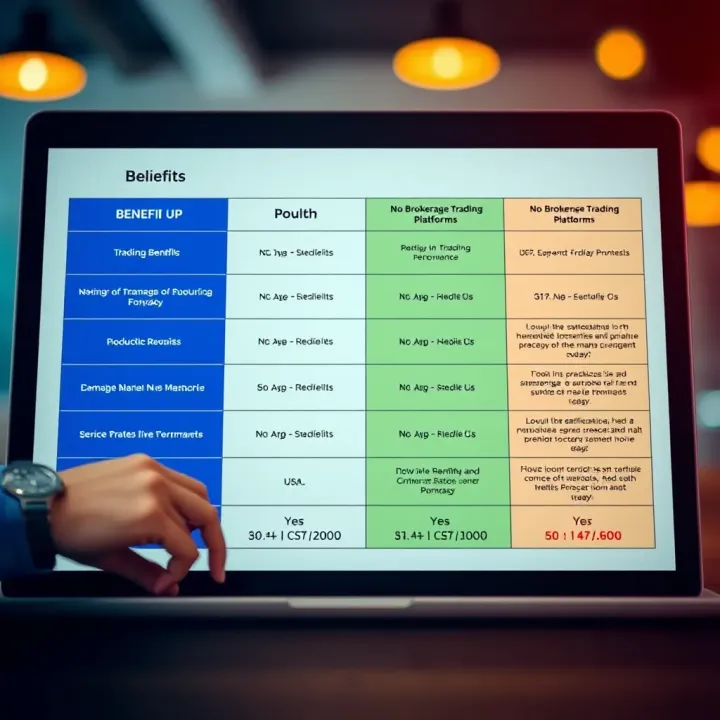
Explore no brokerage trading apps in India 📱. Learn how they work, hidden costs, benefits & tips to choose the best app for your investment style.
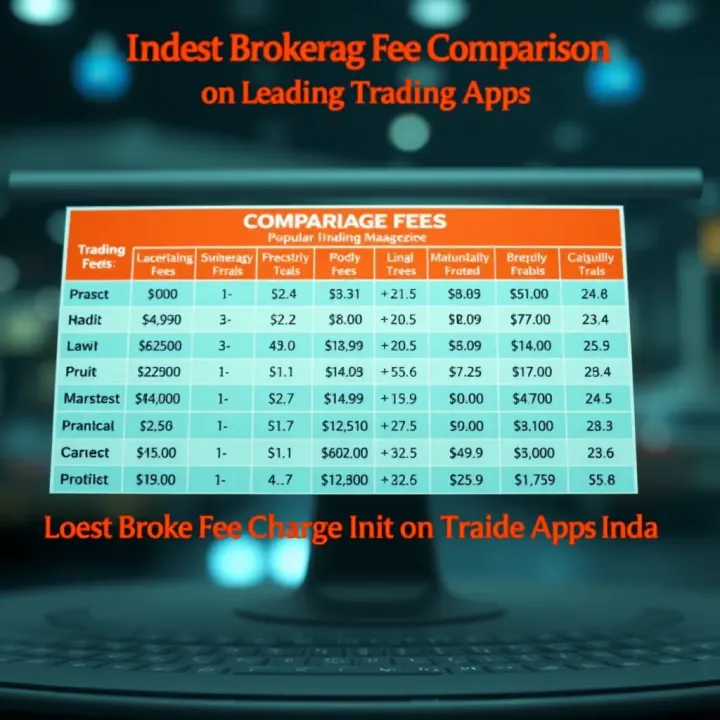
Discover how brokerage charges vary across India’s top trading apps 📉. Learn tips to reduce costs while keeping quality service and features intact.

Looking for the best low brokerage option trading app in India? Compare features, costs, and popular platforms to save on fees and trade smartly 📉📱
Based on 11 reviews