
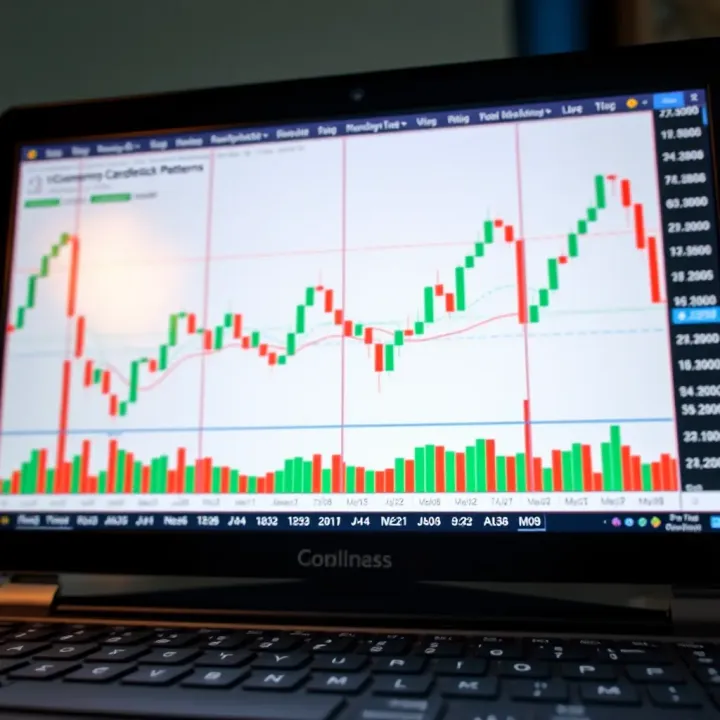
Mastering Candlestick Patterns for Traders
📊 Learn to master candlestick patterns with practical tips & PDF guides! Perfect for traders of all levels aiming to improve their strategy and analysis.
Edited By
Charlotte Dawson
Candlestick patterns remain one of the most popular techniques for analysing stock price movements, especially among traders in the Indian markets. These patterns, formed by the price action captured in daily, weekly, or intraday charts, help in reading the market’s mood—whether bulls are pushing prices up or bears are in control.
Unlike simple line charts, candlestick charts display four data points for each time period: open, high, low, and close prices. This makes it easier to spot trends, reversals, or potential continuations. For example, a long green candle indicates strong buying interest, while a long red one shows selling pressure.

Understanding candlestick patterns allows traders to make informed decisions rather than relying purely on guesswork or hearsay.
Visual clarity: Easy to interpret at a glance.
Trend recognition: Identify whether the current trend will continue or reverse.
Entry and exit points: Help decide when to buy or sell stocks.
In Indian trading, recognising these patterns complements fundamental analysis, especially for those active in volatile sectors or during market phases dominated by retail sentiment.
To effectively use candlestick patterns, traders often rely on good-quality charts and reference materials. Thankfully, there are free PDF downloads available that compile essential candlestick formations with clear illustrations. These resources serve as handy guides for quick review, particularly useful for newcomers or those refreshing their memory.
Traders might want to keep these PDFs ready during market hours or while preparing for portfolio reviews. They frequently cover hallmark patterns like Doji, Hammer, Engulfing, and Morning Star, explaining the psychology behind each.
While global candlestick patterns work universally, integrating them with local market factors—like quarterly results, RBI policy changes, or corporate announcements—is vital for accuracy. Use the patterns as a base, then layer Indian-specific news and data for sharper insight.
By mastering candlestick patterns and using dependable PDFs for reference, traders can elevate their technical analysis, improving timing and confidence across trading or investment moves.
Candlestick patterns play a key role in understanding how price moves in the market. They provide traders a quick snapshot of buying and selling pressure, helping to read market sentiment without the need for complicated calculations. This makes them particularly useful for both beginners and experienced traders analysing Indian equity or commodity charts.
A single candlestick has three main parts: the body, wicks (also called shadows), and colour. The body shows the difference between the opening and closing prices during a time period, while the wicks show the highest and lowest prices reached. For example, if a daily candle for Reliance Industries has a long upper wick, it indicates prices went up significantly during the day but were pushed back down by sellers before closing.
Bullish and bearish candles are distinguished by their colour and what they represent. Typically, a bullish candle (often green or white) means the closing price was higher than the opening price, signalling buyer strength. Conversely, a bearish candle (often red or black) shows the closing price was lower, reflecting selling pressure. This easy visual distinction helps traders quickly gauge the balance of demand and supply.
Candlestick charts are excellent tools for visualising market sentiment. A series of strong bullish candles might show growing confidence, while alternating candles could suggest indecision or a potential reversal. In the Indian market context, such insight can guide traders on whether to hold or exit positions, especially during volatile sessions close to market close.
Candlestick patterns often indicate trend reversals or continuations, signalling traders when it might be the right time to enter or exit. For example, a "hammer" after a downtrend may suggest a reversal to an uptrend, while "three white soldiers" confirm ongoing bullish momentum. Recognising these at the right moment can protect capital and reveal profitable opportunities.
These patterns also work well with other technical tools like moving averages, Relative Strength Index (RSI), and volume indicators. Combining candlestick signals with Sensex or Nifty trend analysis offers a more reliable trading strategy in Indian markets.
In Indian equities and commodities, candlestick patterns adapt well to local market rhythms. For instance, price action in IT stocks listed on NSE can respond sharply to patterns like engulfing formations. Similarly, commodity traders watching crude oil futures on MCX will find that careful candlestick analysis provides early warning signs ahead of price swings.
Understanding candlestick patterns enhances your ability to read market moods swiftly, giving you an edge in India’s fast-moving stock and commodity markets.
Mastering key candlestick patterns is essential for traders aiming to read market sentiment quickly and make informed decisions. These patterns serve as visual signals of potential price moves, helping traders anticipate reversals or continuations. Understanding them not only improves timing but also reduces guesswork in the volatile Indian markets.
A Doji appears when the open and close prices are almost equal, forming a cross or plus sign shape. It signals market indecision—buyers and sellers are evenly matched. For example, on the Nifty 50 daily chart, a Doji after a strong uptrend suggests the buying momentum may be fading, hinting at a possible reversal or pause. However, confirming with other indicators like volume or RSI is wise.
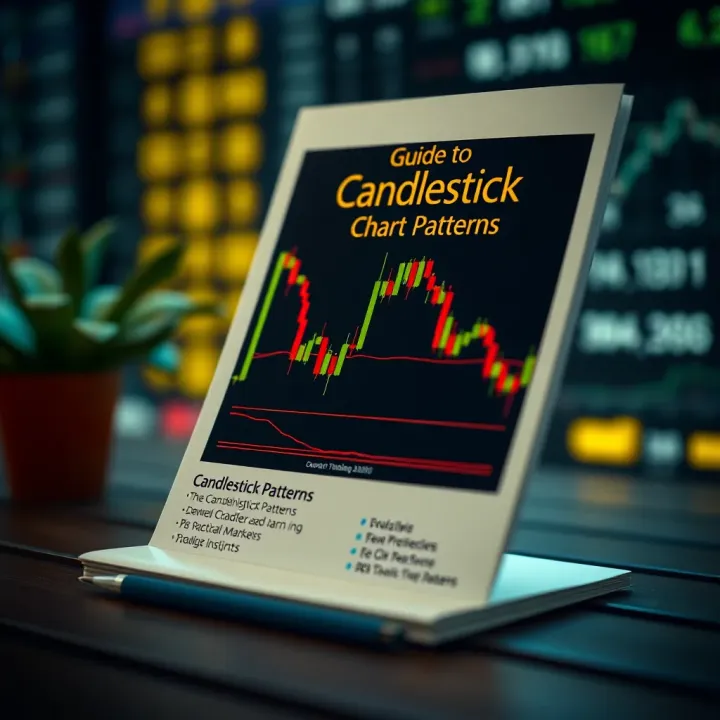
Both these patterns share a small body with a long lower wick but differ by trend context. A Hammer at the bottom of a downtrend usually signals strong buying pressure and a potential bullish reversal. Conversely, a Hanging Man during an uptrend warns of selling pressure and possible trend weakness. In Indian stocks such as Reliance Industries, spotting a Hammer after a slump helped traders time their entry points precisely.
The Shooting Star, with its small body and long upper wick, often appears after an uptrend and signals selling pressure that might bring prices down. On the other hand, the Inverted Hammer forms after a downtrend and may hint at a bullish reversal as buyers try to regain control. Traders using these patterns alongside volume analysis on FMCG sector stocks like ITC gain an edge in spotting early trend shifts.
An Engulfing pattern involves two candles where the second completely covers the first’s body. A Bullish Engulfing appears after a downtrend and indicates strong buyer interest, potentially reversing the fall. Bearish Engulfing signals the opposite, suggesting sellers are taking control. These patterns work well with index charts like Sensex to validate entries or exits.
These are three-candle formations that show clear trend reversals. A Morning Star appears at a downtrend’s bottom, combining a bearish candle, a small-bodied candle (indecision), and a strong bullish candle. An Evening Star signals a top, showing the opposite sequence. Both signal traders to prepare for shifts, useful in sectors prone to swings, such as banking.
Three White Soldiers describe three consecutive bullish candles with rising closes, confirming a strong upward move, while Three Black Crows show three straight bearish candles signalling robust selling pressure. For Indian traders, monitoring these patterns on mid-cap stocks often helps catch sustained momentum early, providing both entry and exit clues.
Recognising these key candlestick patterns sharpens your market understanding, helping you make faster, more confident trading decisions in the Indian equity scene.
Free PDFs containing candlestick pattern guides serve as a practical tool for traders and investors willing to sharpen their technical analysis skills. These downloadable resources allow you to carry around concise, easy-to-understand pattern charts without depending on internet connectivity or specific platforms.
Having PDFs on your device means you can refer to them anytime, whether commuting or during trading breaks. This offline access comes in handy, especially in India, where network fluctuations can disrupt online research. For example, a trader in a tier-2 city might study the Hammer or Doji patterns from these PDFs while travelling on public transport, without worrying about losing internet connection.
Most free PDFs provide not just pattern images but also clear descriptions, typical market implications, and spotting tips. This visual and textual combination helps deepen understanding beyond mere memorisation. For instance, a trader can see the exact formation of an Engulfing pattern along with notes about how strongly it signals reversals in the Indian equity market.
These guides often structure content progressively. Beginners find simple, single-candle patterns explained in plain terms, while experienced traders benefit from advanced multi-candle formations and contextual nuances. This layered approach supports continuous learning and helps refine strategy over time.
Brokerage firms like Zerodha Varsity or ICICI Direct’s education portal regularly share well-researched PDFs. These sources maintain updated, India-specific content aligned with current market behaviour and regulatory guidelines. Their materials carry credibility and reduce the risk of misinformation.
Financial blogs such as Moneycontrol and Elearnmarkets publish user-friendly PDFs that blend theory with practical examples from the Indian market. These platforms often add insights from market experts, offering a real-world perspective that’s useful for traders adapting to market trends.
Institutes like NSE Academy and SEBI’s investor education programs provide downloadable PDFs designed specifically for the Indian audience. These resources incorporate features unique to Indian equities and commodities, making them especially relevant for local market analysis.
Having free, reliable candlestick pattern PDFs by your side can bridge the gap between theory and practice, especially when combined with regular trading and market observation.
Using these downloadable guides effectively supports your learning journey and improves your confidence in interpreting candlestick signals within India’s diverse markets.
Applying candlestick patterns effectively in Indian markets involves understanding context beyond just the chart shapes. Indian markets like NSE and BSE have their quirks—like trading volumes, session timings, and sector dynamics—that can influence how patterns play out. Grasping these elements helps interpret price movements more reliably and avoid common pitfalls.
When analysing individual stocks, traders need to keep an eye on broader market trends such as Sensex and Nifty 50 movements. For example, a bullish reversal candlestick forming in a stock that moves in tandem with the Nifty has higher chances of leading to gains if the index itself is in a confirmed uptrend. Conversely, bullish patterns during a broad market downtrend could be false signals. So, it’s practical to combine candlestick signals with index outlooks to improve trade success.
Volume confirms or denies the strength of a candlestick pattern. Indian trading sessions also influence price behaviour. The morning session (9:15 am to 11:30 am IST) tends to show higher volatility. Patterns formed during this time with high volume hold more weight. For instance, a hammer candlestick accompanied by high volume in this period often signals strong buying interest. In contrast, low volume patterns during the last trading hour (3:00 pm to 3:30 pm IST) may not be reliable as many traders square off positions, causing price noise.
Sector trends can affect how candlestick patterns behave. For example, IT stocks like Infosys or TCS might react differently to patterns compared to cyclical sectors like banking or real estate. Banking stocks usually show stronger volume and volatility during quarterly results, affecting pattern reliability. Hence, traders should consider sector conditions and upcoming corporate events before relying solely on candlestick signals.
Relying on a single candlestick pattern for trading decisions can backfire. Patterns must be considered alongside the trading context, volume, and market trend. Many beginners spot a Doji or hammer and jump to buy or sell immediately without waiting for confirmation. This often leads to losses. It's better to use patterns as supporting signals rather than standalone triggers.
Good traders cross-check candlestick patterns with other technical tools like moving averages, Relative Strength Index (RSI), or Bollinger Bands. For example, a Morning Star pattern supported by the stock price bouncing off a 50-day moving average gains credibility. This multi-layer confirmation reduces false signals and enhances confidence in trading decisions.
Indian markets can be noisy due to sudden news, low liquidity in certain stocks, or entry/exit of foreign institutional investors (FIIs). Patterns may sometimes give false positives—suggesting a reversal or continuation that doesn’t actually happen. Traders should watch out for repeated signals failing to play out and incorporate stop-loss levels to manage risks effectively.
While candlestick patterns are powerful, pairing them with market context and careful risk management is key to navigating Indian markets successfully.
Building your own cheat sheet for candlestick patterns brings clarity and speed during trading. When you trade Indian stocks or commodities markets, quick recognition of key patterns can make the difference between catching a profitable move and missing it. A well-designed cheat sheet serves as a personalised reference that fits your strategy and helps you stay focused without flipping through bulky books or PDFs.
When deciding which candlestick patterns to add, prioritise those with a strong track record in indicating meaningful price moves. For example, the Bullish Engulfing pattern often signals a clear reversal in Nifty or Sensex trends, making it valuable for Indian market traders. Including patterns like Morning Star and Evening Star also helps spot trend changes alongside volume cues. Avoid cluttering your cheat sheet with rare or weak signals; keep it lean to improve recall under pressure.
Your cheat sheet should reflect how you trade—whether you swing trade, day trade, or invest long term. A swing trader might focus on reversal patterns that signal entry and exit points over days, while a day trader may prefer quick intraday patterns like Dojis or Hammers. Someone concentrating on sectors like IT or Pharma should note sector-specific behaviour in patterns. Customisation ensures the cheat sheet isn’t generic but tailored to your market moves and risk appetite.
Group similar candlestick patterns together—single-candlestick, bullish versus bearish, or reversal versus continuation. This structure helps when scanning charts quickly, letting you zero in on the kind of signal you expect. For instance, placing all reversal patterns at one spot with brief notes on their context, such as ‘works best after a downtrend’, makes immediate sense during active trading sessions.
Visual clarity speeds up decision-making. Use distinct colours to mark bullish patterns (green shades) and bearish ones (red shades), just like how actual candlesticks appear on charts. Adding short annotations—like "high volume confirmation needed" or "watch for next day’s close"—provides quick reminders without crowding the cheat sheet. Clear design reduces confusion and helps prevent mistakes, especially when market action is hectic.
A personalised and visually organised cheat sheet not only refreshes your memory but also sharpens your analysis, saving precious time in India's fast-moving markets.
📊 Learn to master candlestick patterns with practical tips & PDF guides! Perfect for traders of all levels aiming to improve their strategy and analysis.

📊 Master option chart patterns with our practical guide in PDF format! Learn to read charts, manage risk, and improve trading strategies for Indian markets. 📈

📈 Master the top candlestick patterns for trading success! Learn their meanings, trader psychology, and practical tips plus handy PDFs for easy learning.

📈 Discover key candlestick patterns in trading! Learn to read single and multi-candle formations for smarter price move insights and better trade decisions.
Based on 6 reviews