

Understanding Momentum Candlestick Patterns
📈 Master momentum candlestick patterns with this practical guide! Learn significance, ID methods, strategies, pattern insights & PDF tools to boost your trades.
Edited By
Oliver Clarke
Candlestick patterns have long been a staple tool for traders aiming to decipher market behavior and predict future price movements. Their visual nature helps break down complex market actions into digestible signals. Whether you’re an investor fine-tuning your approach or a student trying to grasp chart reading essentials, understanding these patterns can elevate your trading game.
This guide is designed to offer a straightforward look at the key candlestick formations and how to use them practically. What's special here is the inclusion of handy PDF resources—you can keep these at your fingertips for quick reference during live trading or study sessions.
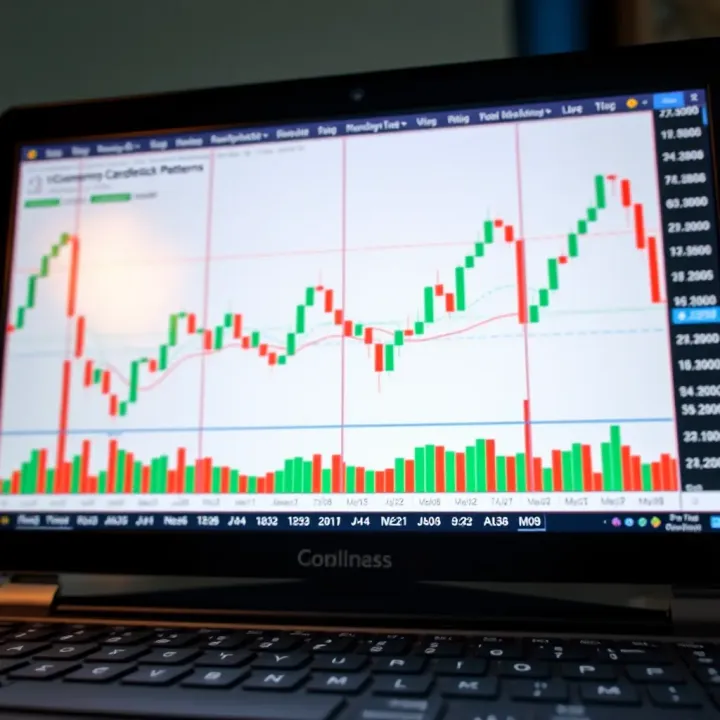
Candlestick analysis isn't about guessing the market's next move blindly; it's about stacking the odds in your favor by recognizing what price behavior tends to signal.
We’ll cover common and less obvious patterns alike, demystifying their meanings and showing how they fit into real trading strategies. You’ll find practical tips tailored for varying experience levels—from brokers needing quick cues to analysts delving into detailed chart interpretations.
Starting with why these patterns matter and how they're built, we'll advance through application techniques and make sure you have useful takeaway materials to reinforce your skills. No fluff, no jargon-heavy explanations—just clear, actionable insights to help you become more confident when reading charts.
Understanding candlestick patterns is more than just recognizing shapes on a chart; it's about reading the market's subtle signals. These patterns provide a visual method to decipher what traders and investors are thinking and how they behave at different price points. For anyone stepping into trading, grasping these patterns early can be a game-changer.
Imagine you’re watching a cricket match and you're able to predict a bowler’s next move by reading his run-up and toss—candlestick patterns offer a similar advantage in trading by revealing market sentiment before big price moves happen.
Candlestick patterns are formed by the graphical representation of price movements in a specific time frame, showing openings, closings, highs, and lows. Each candlestick gives a quick snapshot of market activity. For example, a bullish hammer after a downtrend suggests a possible reversal, like a signal flag waving for traders to take action. These patterns come in many shapes and sizes, like the Doji, which indicates indecision, or the Engulfing pattern, signaling strong momentum shifts.
These visual cues help traders spot potential trends or reversals without crunching through lengthy data, making them user-friendly for both novices and pros.
Candlestick analysis is a cornerstone for making informed trade decisions. By interpreting patterns, traders can anticipate entrants and exits better, reducing guesswork. For instance, a bearish engulfing pattern near a resistance level might be a cue to sell or tighten stop-loss orders, minimizing losses or securing profits.
Relying solely on price data without pattern recognition is like driving blindfolded. The candlestick patterns provide a clearer picture of market momentum, investor sentiment, and potential turning points, allowing better timing and risk management.
Reading candlesticks isn't foolproof, but it adds an extra layer of confidence when combined with other analysis tools like volume or moving averages.
PDF resources offer a convenient and detailed way to learn about candlestick patterns at your own pace. Unlike taking notes from a cluttered screen or fleeting videos, well-organized PDFs let you highlight, annotate, and revisit concepts anytime. They pack charts, pattern examples, and tips into a digestible format perfect for offline study.
Moreover, PDFs from reputed sources—like SEBI’s educational sections or brokerages such as Zerodha and ICICI Direct—are vetted to provide reliable information tailored for the Indian market context. This means you’re learning patterns that are applicable to stocks, commodities, or currencies you’re likely trading.
In practical terms, when preparing for your next trading day, flipping through a PDF guide can be as straightforward as skimming a personal diary, helping reinforce knowledge and build confidence.
Together, candlestick patterns and thoughtful study materials like PDFs create a solid foundation for any trader serious about understanding market movements clearly.
Understanding the basic parts of a candlestick is the foundation of learning how to read charts effectively. Without grasping these components, even the most popular patterns can be confusing or misleading. This section breaks down the anatomy of candlesticks and explains why each part matters when analyzing price movements.
The body of a candlestick represents the price difference between the opening and closing of a trading period. It’s like the heart of the candlestick, showing whether buyers or sellers had the upper hand. A long body often signals strong buying or selling pressure, while a short body suggests indecision or a balanced battle between bulls and bears.
For example, if a stock opens at ₹150 and closes at ₹160 within one day, the body will display this ₹10 rise. Traders use this to determine momentum — a tall green body usually reflects a bullish sentiment, indicating prices are moving up.
The wicks, also known as shadows, indicate the highest and lowest prices reached during the trading period but outside the opening and closing prices. Think of them as the "range" explorers.
A long upper wick might suggest that buyers pushed the price up but couldn't hold on, leading to sellers taking control by the close. On the flip side, a long lower wick shows sellers tried to push the prices down, but buyers stepped back in. These wicks offer clues on market rejection points and potential reversals.
Imagine a candle where the price rose from ₹200 to ₹230 but settled at ₹210 — a long upper wick suggests resistance at higher levels, alerting traders to be cautious.
The open and close prices determine the color and the basic shape of the candle—they're the anchors of the pattern. The open marks where the price started, and the close is where it ended for that period.
These prices tell the story of conflict in the market: if the close is higher than the open, it’s generally a bullish candle (often green or white); if lower, bearish (red or black). This simple visual gives traders a quick snapshot of daily momentum.
For instance, in the Nifty 50 market, spotting a series of candles with higher closes can signal an ongoing uptrend, guiding trades towards buying opportunities.
Candlesticks quickly convey whether buyers or sellers dominated during a trading session. A bullish candlestick indicates buyers pushed the price up, closing higher than the open. In contrast, a bearish candlestick shows sellers had the upper hand, closing prices lower than the open.
Recognizing these types not only helps spot potential reversals but also confirms trends. For example, a sequence of bullish candles with increasing bodies often means strong upward momentum, while consecutive bearish candles suggest potential declines.
Remember, no single candle tells the whole truth. Combining candlestick types with volume data or other indicators often paints a fuller picture.
Mastering these basic components ensures you can read price movements more confidently, spot trading opportunities early, and better manage your entry and exit points in the market.
Single candlestick patterns pack a punch by offering traders quick insights into market sentiment. Their simplicity makes them an excellent starting point for anyone wanting to decode price action without getting overwhelmed by complicated charts. Understanding these patterns helps traders spot potential reversals or continuations in price direction with just one candlestick, which is why they’re so practical in day-to-day trading.
For instance, a trader watching the Nifty 50 might notice a single bearish candlestick with a long upper wick just before a fall, signaling selling pressure. Recognizing such patterns early can mean the difference between catching a profitable move or getting caught on the wrong side. These patterns are like traffic signals in trading — a clear go or stop sign based on recent market activity.
The Doji is a classic single candlestick pattern known for its indecision on the trading floor. When the open and close prices are virtually the same, the market sellers and buyers are at a stalemate, signaling potential turning points.
A Neutral Doji looks like a simple cross or plus sign — the open and close are almost identical, with wicks on both ends. Although it doesn’t strongly predict the next move on its own, it offers a red flag that momentum might be losing steam. For example, a Neutral Doji appearing after a strong uptrend in the Bank Nifty futures can hint traders to tighten stops or watch closely for a reversal.
Remember, a Neutral Doji says "pause and evaluate" but not "change immediately."
The Dragonfly Doji has a long lower wick with almost no upper wick, forming a T-shape. This pattern suggests that sellers pushed prices down during the session, but buyers fought back and closed near the open level. When spotted at the end of a downtrend, the Dragonfly Doji can be a strong buy signal — suggesting buyers might be stepping in.
Take Reliance Industries as an example; if a Dragonfly Doji appears after several bearish candles on the daily chart, it could imply that support is building and a bounce might be around the corner. Such signals work best when confirmed with volume or other indicators.
In contrast, the Gravestone Doji has a long upper shadow and little to no lower wick, resembling an inverted T. This pattern is often a bearish reversal indicator because it shows that buyers pushed prices up, but sellers overwhelmed them by closing near the open price.
For instance, in the context of Infosys stock, spotting a Gravestone Doji after an upward rally could warn traders of an impending downtrend, nudging them to reevaluate long positions or prepare for shorting opportunities.
Both the Hammer and Hanging Man candlesticks share a similar shape — a small body with a long lower wick. However, their implications differ widely depending on where they appear in the chart.

A Hammer typically shows up after a decline and suggests that selling pressure is weakening. Buyers managed to push the price back up from the low, hinting at a possible reversal higher. For example, if Tata Motors price chart shows a Hammer after a string of falling candles, it can be a green light for investors to consider entering long positions.
On the flip side, the Hanging Man appears after an uptrend and warns of a potential reversal downward. Despite buyers pressing higher, significant selling during the session can foreshadow a shift in control to sellers. In a fast-moving market like the Indian IT sector stocks, spotting a Hanging Man often means tight stops and cautious trading ahead.
Both patterns gain strength when combined with volume confirmation or other technical indicators such as RSI or MACD.
In summary, mastering these single candlestick patterns equips traders with a practical toolkit to read the market’s short-term mood swings. They’re quick, direct, and when used wisely alongside other tools, can greatly improve entry and exit timing in the Indian markets.
Understanding multiple-candle patterns is essential for traders who want to get a clearer picture of market sentiment beyond what a single candle can reveal. These patterns offer valuable clues about potential trend changes or continuations by analyzing how a group of candles behave together over a few trading sessions. Imagine watching a short play rather than a single snapshot; the story unfolds more clearly with multiple scenes.
Recognizing multi-candle patterns helps avoid impulsive decisions based on one-off price movements. For example, while a single bullish candle might suggest optimism, patterns like the Bullish Engulfing or the Morning Star provide stronger signals by confirming that buyers are gaining control over sellers. In practical trading, this can mean spotting entry points with better risk management.
The Bullish Engulfing pattern happens when a small bearish candle is immediately followed by a larger bullish candle that completely 'engulfs' the body of the previous one. This pattern is particularly useful as it signals that buyers have stepped in forcefully after a period of selling pressure, often marking a potential reversal from a downtrend to an uptrend.
Traders spot this by checking that the second candle's body covers the first entirely, with its close higher than the previous open. It's a signal to consider lowering stop-losses below this pattern or entering long positions with confirmation. For example, if a stock has been drifting downward for days, and then forms a Bullish Engulfing on decent volume, it’s like a green flag that buyers are gaining strength.
Conversely, the Bearish Engulfing pattern appears when a smaller bullish candle is followed by a larger bearish candle that swallows it whole. This indicates sellers have overwhelmed the buyers, hinting at a potential downtrend or at least a correction after an uptrend.
Its practical relevance lies in spotting when optimism fades. Traders often watch for this pattern at the top of an uptrend as a signal to tighten profits or consider short positions. Confirmation with other signals, like volume spikes or resistance levels, strengthens the case. For instance, selling pressure in an index like Nifty 50 might surface clearly if a Bearish Engulfing shows after a rally.
These are three-candle patterns that provide early hints of trend reversals. The Morning Star signals a bullish turnaround at the bottom of a downtrend, while the Evening Star warns of a bearish shift near the top of an uptrend.
The Morning Star begins with a strong bearish candle, a tiny-bodied candle (showing indecision), and then a tall bullish candle closing well into the first candle's body. This pattern suggests the bulls are gaining momentum after a period of selling, and can be a green light for buyers.
The Evening Star reverses this: starting with a bullish candle, followed by an indecision candle, and then a large bearish candle that closes deep into the first candle’s body. It often indicates buyers are tired and sellers are stepping in, a handy indicator for preparing to sell or protect profits.
These names might sound like old folklore but are very practical patterns in trading. The Three White Soldiers pattern consists of three consecutive long bullish candles with consecutively higher closes, showing strong buying momentum. It often follows a downtrend or a consolidation phase and signals a powerful shift in market sentiment.
Opposite this is the Three Black Crows pattern, where three long bearish candles appear consecutively with lower closes. This pattern points to strong selling pressure and can forewarn of continued weakness.
Both patterns are valuable because they confirm commitment from buyers or sellers over several sessions, not just a one-day fluke. Traders use them to gauge trend strength and momentum, often pairing these visual signals with other tools like RSI or Moving Averages.
Recognizing and correctly interpreting these multiple-candle patterns can significantly improve trade timing and confidence. They serve as more reliable signals than single candlestick formations, especially when combined with volume and other indicators.
By mastering these multi-candle setups, traders, investors, and analysts can make smarter decisions grounded in strong technical evidence rather than guesswork.
Candlestick patterns on their own can tell only part of the story. To truly gain an edge, traders need to understand how to read these patterns within a broader market context. This section dives into practical tips for interpreting candlesticks in real-time, confirming their signals, and weaving them into sound trading plans.
Volume acts as the amplifier for candlestick signals. For example, a bullish engulfing candle with thin volume might not carry the same conviction as one backed by strong trading activity. When volume spikes along with a pattern, it usually signals genuine interest and potential price movement.
Other helpful tools include moving averages, RSI (Relative Strength Index), and MACD (Moving Average Convergence Divergence). Say you spot a hammer pattern at a price level near the 50-day moving average, and RSI is dropping toward oversold levels—that’s a combo hinting that a bounce could be on the cards. Always cross-check your pattern's story with at least one or two additional indicators to avoid false alarms.
Never rely solely on a single candlestick pattern. It’s like trying to read a novel by only looking at one sentence.
Candlestick patterns should never be standalone signals. Instead, treat them as puzzle pieces in your trading strategy. For instance, you might use a morning star pattern to identify potential trend reversals but only enter the trade after the price breaks above a key resistance level or confirms support.
Practical traders also use stop losses and profit targets rooted in candlestick analysis. Placing a stop just below the low of a hammer or above the high of a shooting star limits risk according to recent price behavior. Meanwhile, profit targets could be set at previous swing highs or logical support zones.
Integrating patterns requires patience and discipline. Overreacting to every candle usually leads to costly mistakes. Instead, wait for the setup to align across multiple factors—market trend, volume, and confirmation from other indicators—before pulling the trigger.
In a nutshell, understanding how to use candlestick patterns effectively means taking a balanced approach: confirming signals with volume and indicators, and slotting these cues into a bigger trading plan with clear rules. This approach helps reduce noise and dramatically improves the chances of successful trades.
Understanding where traders often slip up with candlestick patterns can save lots of headaches and prevent unnecessary losses. This section sheds light on common errors, helping you build a more reliable approach by spotting what's easily overlooked or misunderstood.
A candlestick pattern doesn’t exist in a vacuum. One of the biggest pitfalls is to blindly trust a pattern without taking the broader market context into account. For example, seeing a bullish engulfing pattern and rushing in without checking the overall market trend, volume, or news events can lead to being caught in a false signal. A bullish pattern in a strong downtrend often fails to start a genuine reversal—it's like trying to swim against a strong current.
Consider the nifty index: during earnings season or government policy announcements, price movements can be erratic. Using candlestick signals alone, without factoring in these external variables, will often lead to misreading the market.
A practical approach is to combine candlestick analysis with trend identification and volume checks. For instance, if a hammer pattern shows up at a support level and volume spikes, the probability of a reversal rises. But if the same hammer forms during a raging downtrend with no volume boost, it might be just a short-lived pause.
Always think bigger picture — patterns add clues, but the market environment tells the story.
Putting all your faith into one pattern alone is like stacking your chips on a single roll of the dice. Candlestick patterns are only pieces of the overall puzzle. Trading solely based on one candle or pattern without corroborating evidence sets you up for costly mistakes.
For example, a Doji might hint at indecision, but without waiting for the next candle or supporting indicators like RSI or moving averages, you can't be sure if the market is about to reverse or just pausing briefly. Traders sometimes jump in immediately after a single pattern forms, ignoring how the next few candles behave or ignoring volume changes.
Successful traders often wait for confirmation. A morning star pattern, for instance, ideally should be followed by a strong bullish candle closing higher than the star’s high before going all-in. Neglecting this step can quickly turn what looked like a winning trade into a losing one.
Incorporating additional filters like price action on higher time frames and key support/resistance zones helps avoid this trap. Remember, patterns signal possibilities, not guaranteed outcomes.
By steering clear of these common mistakes—ignoring market context and overreliance on single patterns—you’ll sharpen your candlestick reading skills and trade smarter. It’s about seeing candlesticks as part of a bigger toolkit, not crystal balls.
When starting your journey into candlestick patterns, access to trustworthy and clear learning materials is a game changer. PDFs are particularly handy because they let you study offline, revisit complex concepts, and keep a steady pace without the chaos of constant internet distractions. But not all PDFs are created equal — knowing where to find reliable sources helps you dodge misinformation, saving you time and risks that could cost your trades.
Starting with official educational portals and broker sites is usually your safest bet. Reputable brokerage firms like Zerodha, Upstox, and ICICI Direct often offer detailed PDFs and tutorials tailored for their trader base. These firms invest resources into quality content because their credibility depends on their clients' success. For instance, Zerodha’s education section includes PDF guides on chart patterns, including candlesticks, customized for Indian market scenarios.
Financial authorities such as the Securities and Exchange Board of India (SEBI) sometimes publish educational resources, too. These documents pull no punches on accuracy and align with regulatory requirements, offering you confidence that you aren’t diving into myths or outdated theories. These resources often clarify jargon and contextualize patterns within larger market behaviors, which is crucial if you're beyond the basics.
Official websites also tend to update their content frequently to reflect market changes or new findings, ensuring your study materials aren’t stuck in the past.
The internet is loaded with free resources — just remember, not every free PDF is a gem. Look for content produced by recognized traders, well-regarded trading communities like TradingView forums, or well-known educational platforms like Investopedia. For example, Investopedia’s long-established reputation for easy-to-follow, well-explained finance material makes their PDFs a solid choice.
When searching for these guides, check a few things: does the PDF include examples from real market charts? Are the explanations clear without being too simplistic? Also, watch out for materials that overpromise quick wins; credible resources stick to teaching skills rather than selling dreams.
Some sites curate PDF collections and tutorials that cater specifically to Indian traders, which is a big plus considering the distinct characteristics of Indian financial markets compared to, say, the US or European markets.
Pro tip: Download a couple of PDFs from different sources and compare their explanations. This way you get a fuller picture and can spot inconsistencies or gaps.
Accessing solid PDFs is just a stepping stone to smart trading. Once you’ve got a reliable set, you’ll see the patterns much clearer in your live charts — turning theory into skill.
Using PDFs as your main study resource for candlestick patterns can be a smart move, especially when starting out or trying to refresh your knowledge. PDFs often offer concise information combined with visuals that make complex patterns easier to understand. But to get the most out of these materials, it’s important to approach your study sessions with some structure and strategy.
Setting up a solid routine for your study sessions is key. Don't just open a PDF and skim through pages here and there. Instead, try breaking down the material into manageable chunks and allocate specific times for focused learning. For example, you could dedicate 30-minute sessions focusing on specific candlestick types like Dojis or Engulfing Patterns. This way, you create a clear learning path and avoid feeling overwhelmed.
Keeping notes or summarizing key points from each session also helps your retention. Write down little tips such as "A Dragonfly Doji often signals a potential reversal if found at the bottom of a downtrend," which makes the information stick better. Another practical approach is grouping related patterns and studying their differences and similarities side-by-side. This comparative technique sharpens your ability to distinguish subtle variations in patterns.
Reading PDFs alone won’t make you proficient; the real insight comes from seeing patterns in action. Open charting platforms like Zerodha Kite or TradingView while you study your PDF guides. Look for examples of patterns discussed in the PDFs on live or historic market charts.
Try to spot a Hammer or an Evening Star on a daily chart, then check if the price action after it confirms the pattern’s predicted move. This hands-on practice connects theory to real-world price movements, making it easier to remember and apply your knowledge.
Also, consider keeping a trading journal of the patterns you identify live in the market. Note the date, pattern type, the asset involved, and the price movement after the pattern appeared. Over time, this personalized record becomes an invaluable tool for understanding what works best in your trading setup.
Remember, candlestick pattern PDFs are only the starting point. The real edge comes from pairing these studies with live chart analysis and practical experience.
By following these tips, you won’t just passively absorb information but actively engage with it. This approach leads to lasting understanding and better decision-making in your trading journey.
For traders in India, having access to accurate and relevant PDF resources can drastically improve understanding of candlestick patterns and overall trading performance. PDFs offer a handy way to study complex technical concepts at your own pace, whether you're at home, on the go, or revisiting tougher topics. Given the distinct regulatory framework and market behavior in India, leveraging PDFs tailored specifically to these factors can prevent costly misunderstandings.
Many free PDFs available focus on global strategies but might miss nuances of Indian indices or stocks. That's where paid PDF guides often step in—they tend to offer more detailed, context-specific analysis suited to the Indian market's quirks. So, combining both free and paid resources often gives a more balanced perspective.
Indian traders benefit tremendously from PDF guides that focus on domestic market conditions. For example, publications by the National Stock Exchange (NSE) or Bombay Stock Exchange (BSE) often include guides on candlestick interpretation with examples drawn from Indian stocks like Reliance Industries or HDFC Bank. These case studies make the patterns tangible, showing how they play out in India’s market volatility.
Local educational platforms such as Zerodha Varsity provide detailed, downloadable PDFs covering day trading and swing trading using candlestick patterns prevalent in Indian markets. They often address issues like market timings and intraday volatility which are crucial for successful trading in India.
Keep in mind, local resources also highlight regulatory updates affecting trading strategies, which generic PDFs usually skip.
Some international trading educational firms like Investopedia or BabyPips offer comprehensive PDFs on candlestick patterns. While these guides are excellent, Indian traders should look for versions adapted for their specific needs. For example, some brokers provide PDFs that translate global technical strategies into practical steps considering Indian trading hours, taxation, and intraday margin rules.
A good example is the availability of guides that adjust RSI or MACD indicator levels to align with Indian market trends, alongside candlestick analysis. These materials help traders match the theory with real-life practice, without trying to shoehorn data from, say, the New York Stock Exchange, directly into Indian market scenarios.
Combining global expertise with India-specific tweaks offers traders a richer learning curve, cutting down the time wasted on 'trial and error'.
To sum it up, Indian traders should aim to blend both local and global PDF resources to build a well-rounded knowledge base. While free guides make for a great starting point, investing in paid materials that dive into market-specific details will help sharpen your edge in trading candlestick patterns effectively.
Moving past PDFs to incorporate videos and interactive tools can really sharpen your grasp of candlestick patterns. While PDFs offer solid theory and static images, videos and interactive tools bring charts to life, making it far easier to spot patterns in real time and understand market behavior dynamically. This shift is essential, especially for traders who learn better visually and through practical application rather than just reading.
Video tutorials offer a step-by-step walkthrough of candlestick formations, trading setups, and real market examples. For instance, seasoned educators like Rayner Teo or Steve Nison (the man credited with popularizing candlestick charts in the west) bring clarity to complex topics by breaking them down into digestible segments. Their videos often showcase live market data to demonstrate how patterns develop and play out.
Besides, Indian platforms such as Trading Chanakya provide region-specific tutorials that explain how global candlestick concepts map onto the domestic markets like NSE and BSE. This localized focus helps Indian traders understand market nuances that generic tutorials might miss.
Videos also help bridge the gap between theory and practice. Pausing, rewinding, and replaying segments allow you to study price action carefully and recognize subtle nuances that PDFs might miss.
Nothing beats hands-on practice, and trading simulators give you a risk-free environment to test candlestick strategies. Interactive simulators like Thinkorswim by TD Ameritrade or the NSE’s own trading platform allow traders to practice spotting patterns and executing trades without risking real money.
These simulators use real market data and offer tools like zooming into candlesticks, measuring volume with patterns, and comparing historical trends. You can experiment with multiple indicators alongside candlestick analysis to see what combinations work best. For example, testing the convergence of a bullish engulfing pattern with increasing volume might give you strong confirmation before entering a trade.
Indian traders can also explore platforms like Moneybhai by Moneycontrol, which combines the feel of real trading with interactive learning.
Combining video tutorials and simulators transforms your learning from passive absorption into active experience. That blend helps solidify your understanding of candlestick charts, reduces mistakes, and builds confidence for live market conditions.
Learning beyond PDFs gives you a clearer picture of how price action unfolds. It’s about seeing, doing, and sometimes making errors in a safe setting – all vital for mastering candlestick patterns effectively.
Wrapping up your journey into candlestick patterns, it’s important to get down to brass tacks about what really works. This section pulls together everything we've discussed and highlights practical ways to embed candlestick knowledge into your trading toolkit.
A good takeaway here is that mastering candlestick patterns isn’t about memorizing every single formation. Instead, it’s about understanding the basics clearly and consistently applying them in the real market. For example, spotting a bullish engulfing before a confirmed upward move in an Nifty stock can improve your entry timing—snags like this show why basics are crucial.
Don’t just stop at theory. Use PDFs as your reference and practice spotting patterns in live charts or trading simulators. This hands-on approach is key to turning knowledge into results.
Getting grounded in elementary candlestick patterns is your first practical step. Focus on common patterns like Doji, Hammer, and Engulfing which frequently appear across various timeframes and asset classes traded on Indian platforms like NSE and BSE. Using PDF guides from sources like Zerodha Varsity or NSE’s educational wing can make this easier. These guides often have simple layouts and clear examples tailored to Indian market quirks.
The idea is to get comfortable recognizing these shapes and recalling what they hint at for price action—not just reading but interpreting. For instance, spotting a Morning Star formation on Reliance Industries charts can signal a reversal and a buying opportunity, but only if you connect the dots with volume and trend context.
Relying solely on PDFs will only get you halfway there. Combining PDFs with other learning resources helps cement the knowledge. Trading simulators like those from Upstox or Interactive Brokers allow you to apply candlestick reading in a no-risk environment—you can test hypotheses formed from PDF study without financial pressure.
Video tutorials from recognized Indian educators or platforms provide a dynamic approach to seeing patterns in motion, often explaining nuances that static PDFs miss. Interactive webinars also bring in community questions that broaden your understanding.
By mixing these methods, you cater to different learning styles and reinforce your skills more effectively. This blended approach, paired with reviewing real-time market charts daily, will steadily increase your confidence and decision-making speed in actual trades.
In essence, treat your study like building a muscle: consistent, varied exercise with real-world applications. Over time, you’ll find patterns becoming second nature, giving you a sharper edge in India’s ever-active markets.
📈 Master momentum candlestick patterns with this practical guide! Learn significance, ID methods, strategies, pattern insights & PDF tools to boost your trades.
📈 Master candlestick patterns with our practical guide for traders! Learn to spot bullish & bearish signals and enhance your trading skills effectively.
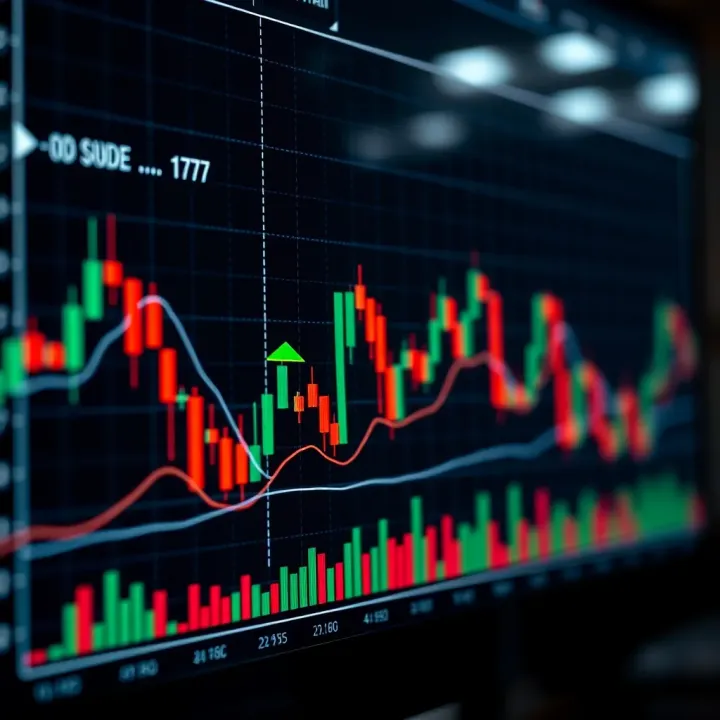
📊Explore key candlestick patterns in trading, including single & multi-candle formations to spot trends, reversals, and market indecision for smarter decisions.
📈 Discover key candlestick patterns in trading! Learn to read single and multi-candle formations for smarter price move insights and better trade decisions.
Based on 13 reviews