

Market Chart Patterns Explained for Traders
📈 Learn how to spot key market chart patterns in technical analysis to predict price moves. Get tips to trade smart and understand risks better!
Edited By
Sophia Mitchell
Market chart patterns are a common tool used by traders and investors to make sense of price movements in stocks, commodities, and other financial instruments. These patterns can offer clues about possible future price directions, making them valuable in decision-making. But understanding them isn't just memorizing shapes; it’s about grasping the market psychology behind those shapes.
In this guide, we'll explore the main chart patterns you’ll encounter, explain how to interpret them realistically, and highlight some practical PDF resources that help you study and apply these patterns without drowning in jargon. Whether you are a seasoned trader or just stepping into the world of technical analysis, this article aims to sharpen your trading toolkit.

Knowing chart patterns isn't a magic bullet; it’s a way to tilt the odds in your favor by reading what market participants are likely thinking.
We'll cover everything from simple patterns like head and shoulders to more complex double tops and flags, explaining what signals to look for and pitfalls to avoid. Along the way, we'll give practical tips that connect theory to real markets—because patterns alone won’t make money unless you know how to act on them.
By the end, you’ll have a clearer understanding of how to recognize reliable patterns and where to find trustworthy study materials in PDF form for quick reference. Let's get straight to the point and cut through the noise around market chart patterns.
Market chart patterns are the bread and butter of technical analysis, acting like a visual shorthand for what’s been happening in the market and hinting at what might come next. Whether you're eyeing the stock market or digging into forex or commodities, these patterns give traders a way to interpret price movements and make informed decisions. They’re kind of like reading a map — if you know the signs, you won’t get lost.
At its core, a market chart pattern is a recognizable shape on a price chart formed by the movement of prices over time. These shapes, such as triangles, flags, or head and shoulders, reflect how buyers and sellers interact in the marketplace. Think of chart patterns as storytelling tools, showing periods of price consolidation, breakouts, or sharp reversals.
For example, a "double bottom" pattern looks like a W on the chart, indicating two low points where buyers stepped back in. This often suggests the downtrend may be losing steam and a bullish turn might be ahead. By studying these patterns, traders try to anticipate future price action rather than reacting blindly.
Chart patterns aren’t just pretty pictures; they reveal the tug of war between supply and demand. When a pattern forms, it reflects traders’ collective psychology — fear, greed, hesitation, or confidence. For instance, a flag pattern indicates a brief pause in price movement before continuing the direction, suggesting momentum is still strong.
Paying attention to volume alongside price shapes adds context. A breakout on heavy volume often confirms the strength behind the move. Such insights help traders figure out whether to jump in or hold back, reducing guesswork and emotional decisions.
Understanding these patterns is like having a weather forecast for the market — it doesn’t promise exact outcomes but helps you prepare.
One of the primary uses of chart patterns is spotting when a trend is likely to keep rolling or when it’s about to flip. Continuing patterns like flags or pennants suggest the trend will persist, while reversal patterns like head and shoulders signal a potential change in direction.
For example, if you spot a head and shoulders pattern on a stock’s daily chart, it might indicate that the previous uptrend is faltering and a downtrend could follow. Traders can use these signals to avoid holding onto losing positions or to position themselves for gains early.
Apart from spotting moves, chart patterns help traders figure out entry and exit points. Once a breakout is confirmed, patterns can provide a rough estimate of how far the price might move. This is done by measuring the height or length of the pattern and projecting it forward.
Simultaneously, stop-loss levels are often set just outside the pattern boundaries to limit losses if the market doesn’t behave as expected. This risk control is vital for longer-term success and is a practical way to keep emotions out of trading decisions.
In short, market chart patterns aren’t just academic concepts — they’re practical tools that, with practice, can sharpen your trading edge and help you make smarter, more confident moves in the market.
When it comes to trading, knowing the major types of chart patterns is like having a trusty map in the forest—it guides your decisions by showing what might come next. These patterns are the bread and butter of technical analysis, helping you anticipate whether a trend will keep chugging along, flip completely, or stall. Understanding these forms not only sharpens your entry and exit timing but also helps manage risks more effectively.
Continuation patterns suggest the market is catching its breath before resuming the same direction. Think of them as the market’s way of saying, "Hold on, I’m just gathering strength."
Flags and pennants are short pauses in the market that look like little rectangles or small triangles slanting against the main trend. They usually pop up after a strong price move and are followed by a similar-sized push in the original direction. For example, if a stock surges sharply upward, you might see a flag—tight, parallel lines moving sideways or slightly downward—before the price rockets up again. Traders often use volume drop during the flag/pennant formation as a cue, with increased volume signaling an impending breakout.
Rectangles form when the price moves sideways between clear support and resistance levels, creating a boxy shape. This pattern signals indecision but generally implies the trend will continue once the price escapes the box. A classic scenario is a stock trading between ₹500 and ₹520 for several days before breaking above ₹520, resuming its uptrend. Traders keep an eye on breakout points here, setting stop-loss orders just inside the rectangle to manage risk.
The cup and handle pattern resembles a tea cup: a rounded bottom (the cup) followed by a small retracement (the handle) before going higher. This pattern shows a period of consolidation and minor pullbacks before the price takes off. For instance, shares of Infosys saw a cup and handle formation back in 2022, with a slow rounded dip followed by a brief pullback, eventually launching into an upward trend. It's a neat pattern for spotting bullish setups.
Reversal patterns signal a potential change in the current price trend—think of them as warning sirens that the market might be about to flip.
Probably the most famous reversal pattern, the head and shoulders looks like a peak (left shoulder), followed by a higher peak (head), and then another peak around the same height as the first (right shoulder). It often points to a top in the market. For example, if Reliance Industries' chart shows this pattern forming after a rally, it might hint the bull run is running out of steam and a downturn is near.
Double tops are exactly as they sound—two peaks at roughly the same price level, indicating resistance. After the second peak, prices usually drop. Double bottoms work the opposite way, showing two similar lows and hinting at a trend reversal upward. These formations help traders confirm a change in direction and set price targets. For instance, Tata Steel's chart may show a double bottom after a slump, signaling potential recovery.
Triple tops and bottoms are less common but stronger signals. They show three unsuccessful attempts to break through resistance or support, respectively. This pattern suggests the current trend is exhausted. Take a stock like HDFC Bank showing a triple top in the past; it’s a red flag for bulls and green light for bears.
Sometimes, the market throws a curveball, and bilateral patterns step in, indicating the price could go either way. Triangles are the most common bilateral patterns.
Triangles form when price action narrows between support and resistance lines that converge.
Symmetrical triangles signal uncertainty—the breakout can go up or down.
Ascending triangles have a flat top with a rising bottom line, usually bullish.
Descending triangles show a flat bottom with a descending top line, often bearish.
In real trading, say you spot a symmetrical triangle forming on a nifty index chart; keeping a tight watch on volume and breakout directions can give you a heads-up on where the market's leaning next.
"Patterns alone don’t guarantee success, but understanding their types and implications lays the groundwork for smarter trading decisions."
By mastering these chart patterns, traders get a clearer window into market psychology—not just numbers but what buyers and sellers might be thinking at key moments. This insight can be a real game-saver, letting you act before the crowd does.
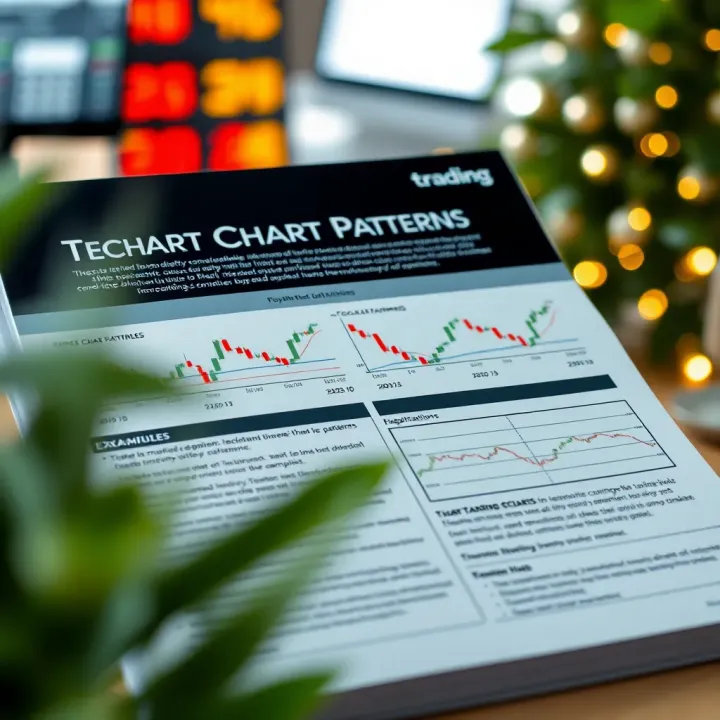
Reading chart patterns properly is a cornerstone skill for anyone serious about trading or investing. It’s not just about spotting shapes on the screen; it’s about understanding what those shapes mean in terms of market psychology and price action. This section focuses on key elements that help traders interpret patterns with more confidence and avoid common errors that can trip up even seasoned pros.
Volume changes play a vital role in confirming whether a chart pattern is likely to hold. When a pattern starts to form, volume often behaves differently. For instance, in a breakout from a triangle pattern, you usually want to see a noticeable spike in volume. This signals strength behind the move. If volume remains low or dwindles, the breakout may lack conviction and could fail. Consider a recent case where the Nifty 50 formed a double bottom pattern, but volume barely picked up at the second low; it warned traders to stay cautious before jumping in.
Pattern duration refers to how long a pattern takes to complete. Some patterns, like flags or pennants, form quickly over a few days or weeks, while others such as head and shoulders may develop over several months. The length of time a pattern spends forming can hint at its reliability — longer patterns often reflect more significant market consensus and tend to be more trustworthy. On the flip side, patterns appearing too quickly might be prone to false signals, so consider the timeframe against the asset’s usual volatility.
Breakout confirmation is key before entering a trade. A pattern's signal becomes strongest when price moves decisively beyond a known support or resistance level and maintains that move. Traders often wait for a daily or weekly close beyond the breakout point rather than just intraday spikes to avoid whipsaws. For example, if a descending triangle in the Reliance Industries stock breaks support but closes above it next day, it suggests a false breakout. Patience here usually saves traders from getting caught on the wrong side.
One of the biggest traps is falling for false breakouts. These happen when price briefly moves beyond a pattern boundary then quickly reverses, trapping traders expecting a sustained move. False breakouts can burn your account if you act too fast without confirmation. To minimize risk, many traders combine breakout signals with indicators like RSI or MACD to check momentum before taking a position.
Over-reliance on patterns can also be a real danger. Treating chart patterns as crystal balls can lead to mistakes, especially in volatile or news-driven markets. Patterns should guide your decision-making, not dictate it blindly. Balancing pattern analysis with fundamentals or broader market trends can provide a more rounded view and reduce surprises.
Lastly, ignoring market context is an easy but costly error. A bullish pattern in a declining market may not behave as expected. For example, an ascending triangle in a severely bearish sector might fail repeatedly. Always evaluate the larger trend, economic indicators, and sector health before trusting what the pattern says.
Successful chart pattern reading is as much art as science – blending key technical clues with careful judgment helps traders avoid pitfalls and make smarter moves.
By keeping these aspects in mind, you’re far better equipped to make sense of the signals that market charts give. The goal is to read patterns not just as static shapes but as evolving stories about buyers, sellers, and the tug of war over pricing.
Integrating market chart patterns with technical indicators is like adding seasoning to a dish—it sharpens the flavor of your analysis, making it more reliable and actionable. Chart patterns reveal the market's price action narrative, but indicators like moving averages, RSI, or MACD provide another layer of insight, often confirming signals or flagging caution when patterns seem ambiguous. Combining these tools reduces the chances of jumping the gun on false moves and helps confirm the strength of a trend or potential reversal.
Moving averages smooth out price data to reveal the underlying trend direction. When paired with chart patterns, they offer a practical way to confirm what the pattern is suggesting or warn against a premature trade.
If a classic head and shoulders pattern forms but the 50-day moving average is sloping upwards steadily and price remains above it, the reversal signal might be weaker or delayed. Conversely, a double top pattern paired with a downward crossing of the 50-day moving average below the 200-day moving average (a death cross) adds conviction to the bearish outlook. Such confirmation is crucial in filtering out low-probability signals and reinforces trading decisions.
Moving averages can also help traders identify an optimal entry or exit point after recognizing a pattern. For example, after spotting a cup and handle pattern, a breakout above the handle’s resistance aligned with a price move above a short-term moving average (like the 20-day MA) offers a precise entry point. Similarly, when price drops back below a moving average after a failed breakout, it can signal an exit, minimizing potential losses. This approach prevents chasing trades and encourages waiting for clearer confirmations.
The Relative Strength Index (RSI) and Moving Average Convergence Divergence (MACD) are momentum indicators that add depth to pattern analysis by highlighting momentum shifts and helping identify fakeouts.
Image a scenario where a bullish flag pattern forms after a strong uptrend. RSI climbing above 50 during the flag’s consolidation flags underlying strength, suggesting the trend is likely to continue. Similarly, MACD crossing above its signal line near the breakout confirms momentum picking up. These indicators catch subtle changes that the raw price action alone might not make obvious.
Pattern breakouts sometimes trap traders if the momentum isn’t convincing. Suppose a symmetrical triangle breakout occurs but RSI remains below 50 and MACD fails to show a crossover—this divergence suggests hesitation. This kind of conflict between price action and indicators often precedes a false breakout. By watching RSI and MACD closely, traders can avoid jumping into trades that lack momentum and reduce the risk of getting caught in whipsaws.
Key takeaway: Using chart patterns in tandem with moving averages, RSI, and MACD enhances the reliability of your technical analysis. Don't rely on patterns alone; these indicators provide the context and conviction necessary for smarter trade entries and exits.
In the end, these tools work best when used together, not in isolation. It’s like having a GPS and clear road signs on a trip—better guidance avoids unnecessary detours or crashes along the way.
Using PDF resources to learn market chart patterns isn’t just about convenience; it actually plays a practical role in how traders absorb and apply technical analysis. PDFs provide a focused way to study chart patterns without distractions, allowing traders to build solid foundational knowledge at their own pace. Especially for busy investors or students juggling multiple priorities, having a reliable, portable resource can make learning much less overwhelming.
When you’re diving into technical analysis, it's critical to have ready access to clear, structured explanations and visuals. PDFs offer this in a format that’s easy to revisit, annotate, or even print. For example, a trader preparing for a live session can quickly flip through a PDF guide to refresh their memory about identifying a 'head and shoulders' pattern or specific breakout signals before making a move.
Beyond just theory, many PDFs also come with practical exercises or case studies that turn abstract chart concepts into actionable insights. This kind of direct application encourages deeper understanding and helps solidify learning. Overall, PDFs serve as a handy companion that supports ongoing education in the tricky world of market chart patterns.
Having a PDF guide at hand means you’re not scrambling through tabs or looking up articles just to check a detail. It’s like having a pocket expert that you can instantly consult anytime.
Good PDF guides often include an index or bookmarks, which means you can jump straight to the section on, say, "double bottoms" without endless scrolling. This is particularly useful during fast-moving market hours when hesitation can cost you.
The offline accessibility of PDFs is a huge plus. Imagine sitting somewhere remote, away from steady internet access, yet still able to continue your study or revision. This advantage makes PDFs an ideal resource for those who travel or prefer studying without distractions.
You can download and save a well-made PDF to your phone, tablet, or laptop, making it available for quick reviews whenever you get a quiet moment. This flexibility boosts consistent learning.
Most PDF guides are designed with a clear structure — starting with basic concepts and advancing to more complex patterns. This logical progression makes it easier to build understanding systematically.
A well-structured PDF helps traders avoid the piecemeal confusion that comes with jumping between random blog posts or videos. Instead, you get a mapped-out learning path that covers essential patterns along with context, examples, and common mistakes.
A picture’s worth a thousand words in technical analysis. Charts and annotated diagrams are crucial in explaining how patterns form and what traders should look out for.
Look for PDFs that use color coding, highlight breakout points clearly, and show volume changes alongside price moves. Poorly drawn or cluttered diagrams can do more harm than good, making patterns harder to spot rather than easier.
Studying chart patterns is one thing; seeing how they actually play out in real markets is another. Good PDFs include examples from different market conditions, showing successful trades and setups that didn’t work.
This helps laypersons grasp not only the 'how' but also the 'when' and 'why' — like spotting false breakouts or understanding pattern reliability in volatile markets.
Theory alone can’t prepare you for the unpredictability of live trading. The best resources offer quizzes or exercises where you identify patterns on snapshots or real historical data.
These interactive tasks build confidence and improve pattern recognition skills, so when you're staring at live charts, the shapes and signals pop out faster and clearer.
Quality PDF resources can be a trader's secret weapon, blending theory, visuals, exercises, and real examples all in one place.
In short, using PDFs for learning chart patterns offers a neat blend of portability, structure, and practicality — key ingredients for mastering technical analysis efficiently.
When you’re diving into chart patterns, having reliable resources at your fingertips makes a big difference. PDFs are especially useful—they offer something you can easily download, refer back to, and study offline whenever you like. This section will guide you through why these PDFs matter, which ones stand out, and how to get your hands on them.
Several PDFs rank as favorites among traders for their clear explanations and practical examples. For instance, Chart Patterns by Thomas Bulkowski comes highly recommended—it's packed with real-life case studies that drill down into pattern success rates. On the free side, the Investopedia Technical Analysis Guide provides a solid foundation with user-friendly illustrations.
Another good one is Encyclopedia of Chart Patterns—both in print and digital formats—that dives into nuance with stats on reliability and breakdowns of less common signals. These PDFs don’t just show what the patterns look like; they teach how to spot them, interpret them, and use them alongside other tools.
Accessing these PDFs isn’t a hassle if you know where to look. Trusted sources like official publishers’ websites or platforms like Amazon are good bets for paid versions. For free PDFs, resources like Investopedia or some brokerage educational sections often offer downloadable guides without any hassle.
Make sure to avoid shady sites offering pirated copies—it's safer and often cheaper in the long run to get your materials from legitimate sources. You can also check trading forums or communities where members share recommendations about the best up-to-date resources.
Relying solely on PDFs can be like reading a recipe without tasting the dish. Videos and webinars help bridge that gap by showing how patterns unfold in real-time, often with expert commentary. Platforms like YouTube have numerous free tutorials, while more structured courses on Udemy or Coursera can deepen your understanding with quizzes and instructor interaction.
For example, a webinar on identifying head and shoulders patterns in volatile markets can highlight nuances that aren’t obvious in static PDFs. Combining formats caters to different learning styles and reinforces concepts.
No matter how many charts you study on paper, nothing substitutes practicing on live or simulated platforms. Tools like TradingView or MetaTrader offer paper trading accounts where you can apply what you’ve learned from PDFs and videos. Getting your hands dirty by drawing patterns and testing strategies against real market data builds confidence and sharpens your instincts.
Consider setting small goals—like identifying a pattern each day or backtesting a strategy weekly. This active practice helps solidify your learning and makes PDFs less theoretical and more practical in everyday trading decisions.
Combining solid reading materials like PDFs with interactive tools and real market exposure makes for a balanced approach to mastering chart patterns. It’s about layering knowledge, not just accumulating it.
In summary, pairing well-chosen PDFs with diverse learning methods and hands-on practice will give you a strong edge. Dive into the recommended guides, supplement with videos, and don’t shy from the practice platforms to glue all the pieces together effectively.
When it comes to trading, knowing your chart patterns is just the start. The real deal is putting that knowledge into practice consistently and smartly. Applying chart patterns effectively can be the difference between tossing coins and making calculated decisions. This means setting yourself up right and thoroughly testing your game plan before risking real money.
Picking the right charting software can feel like choosing a trusty toolbox—it needs the right features to get the job done well. Platforms like TradingView, MetaTrader 5, and NinjaTrader are popular choices among traders because they offer extensive charting tools, customizable indicators, and access to real-time data. For instance, TradingView provides easy drag-and-drop drawing tools and an extensive library of indicator scripts. Having software tailored to your needs—whether it’s fast execution, real-time alerts, or smooth navigation—makes spotting and analyzing chart patterns far easier.
Every trader has their unique style, and customizing your charts accordingly is vital. This means adjusting time frames, colors, and indicator visibility to fly under clutter and highlight important elements. Say you’re tracking head and shoulders patterns; highlighting volume bars and using candlestick colors that contrast sharply against the background helps you see the pattern clearly and avoid guessing. You might set your chart to display only price and volume, turning off other distractions like moving averages if you’re focusing solely on price action. This tailored setup reduces eye strain and quickens your reaction time to emerging patterns.
Jumping headfirst into real trades without testing can be like driving blindfolded. Backtesting lets you run historical data through your chosen chart patterns to see how they’ve performed over time. For example, you identify a double bottom pattern and backtest past occurrences to check if it consistently predicted reversals in your market of choice, be it stocks, commodities, or crypto. This process highlights which patterns work best for your trading style and market conditions, helping avoid costly mistakes.
Simulated trading, or paper trading, is a no-risk way to practice pegging your moves on chart patterns. It’s about building muscle memory and emotional control before real stakes come in. As you simulate trades off signals given by patterns, you get a feel for timing your entries and exits, managing stop losses, and reacting to false breakouts. This practice turns theory into habit and keeps impulsive decisions at bay once you move to live markets. Over time, confidence gained through simulation reduces stress and improves decision clarity.
Remember, no pattern guarantees success, but a solid practice routine paired with vigilant chart reading can tilt the odds in your favor.
By carefully setting up your charting environment, customizing it to your needs, and rigorously testing strategies through backtesting and simulation, you establish a sturdy foundation for making smarter trades. These steps not only improve your technical analysis skills but also prepare you mentally and practically for the unpredictable world of trading.
When diving into the world of market chart patterns, it's natural to hit some common roadblocks and questions. Traders, especially those just starting, often wonder about the reliability and practical use of these patterns. Addressing these questions clears up confusion and provides a stronger footing for applying chart pattern analysis in real trading scenarios. This section sheds light on some of the most asked questions, offering insights that help traders gauge the real-world effectiveness of chart patterns and how beginners can gradually build their skills.
Chart patterns don't guarantee success but offer probabilities that can tilt the odds in your favor. For example, a Head and Shoulders pattern has historically indicated a trend reversal around 70% of the time, but this varies across markets and time frames. Understanding that no pattern is foolproof is key—traders should combine patterns with other tools like volume or momentum indicators. The practical approach is to backtest patterns on historical data to see how often they worked before risking real money.
The market context often decides whether a pattern performs well or fails. Factors like overall market trends, economic news, and sector health directly influence outcomes. For instance, a Double Bottom pattern in a strong uptrend carries more weight than one in a sharply declining market. Ignoring broader context is a common mistake that leads to false signals. Practical use involves checking market conditions and news calendars alongside pattern analysis to make well-rounded decisions.
Remember, chart patterns are like weather forecasts—they give you a heads up but don't come with a 100% guarantee.
Chart patterns are accessible to beginners but require patience and practice. Initially, recognizing patterns like Flags or Triangles might feel daunting, but repeated study and watching live charts can build familiarity. Using demo accounts or backtesting software helps beginners avoid costly mistakes while gaining confidence. The key is to start small, focus on a few patterns, and gradually expand your toolkit.
Relying solely on books or PDFs won’t cut it. Combining multiple learning tools—like webinars, videos, and interactive platforms—can speed up the grasping of chart patterns. For example, watching a video about the Cup and Handle pattern while simultaneously reviewing a PDF with annotated examples creates a more well-rounded understanding. This blended approach also suits different learning styles, making it easier to internalize concepts.
By unpacking these common questions, traders get a realistic picture of what to expect from chart patterns. They learn that success isn’t about finding a magic formula but about thoughtful analysis, consistent practice, and knowing when to trust the signals—and when not to. With these insights, both novices and experienced traders can improve their technical analysis skills effectively.
📈 Learn how to spot key market chart patterns in technical analysis to predict price moves. Get tips to trade smart and understand risks better!

📈 Discover how line chart patterns reveal market trends and guide your trading decisions. Learn to spot key patterns for smarter investing in financial markets.
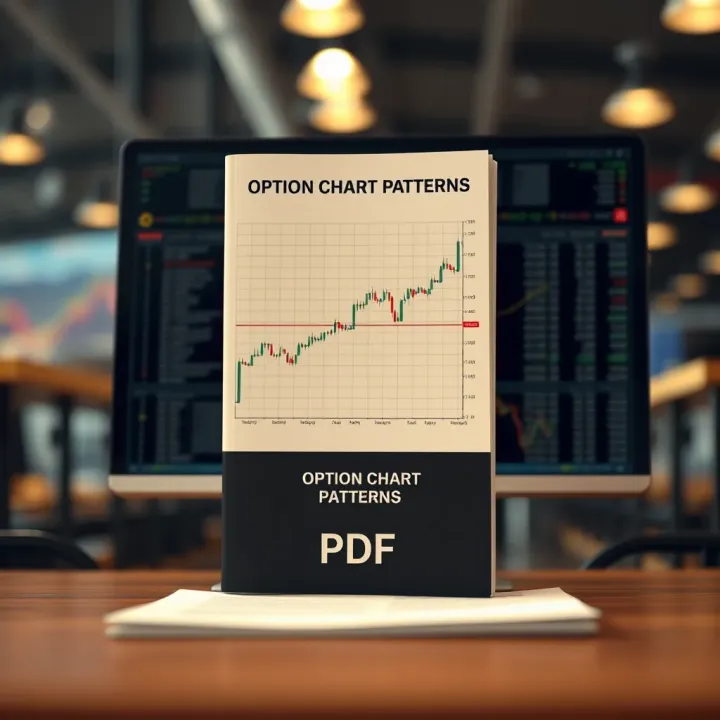
📊 Master option chart patterns with our practical guide in PDF format! Learn to read charts, manage risk, and improve trading strategies for Indian markets. 📈

📈 Discover the most successful chart patterns traders use to predict market moves in stocks and crypto. Learn to spot head & shoulders, triangles, flags & more!
Based on 8 reviews