

Choosing the Best Official Trading Apps in India
📱 Explore official trading apps in India! Learn key features, benefits, and how to choose the best app for security, ease, and your trading needs.
Edited By
Henry Mitchell
Paper trading is a valuable step for traders and investors in India who want to test their strategies without risking actual money. By simulating real stock market conditions, paper trading apps allow you to practice buying and selling shares virtually. This helps build confidence and sharpens trading skills before stepping into live markets.
Choosing the right paper trading app involves considering several factors specific to the Indian financial environment. It’s not just about finding an app that looks good but one that matches your learning style, provides reliable data, and offers the tools you need to simulate true trading scenarios.
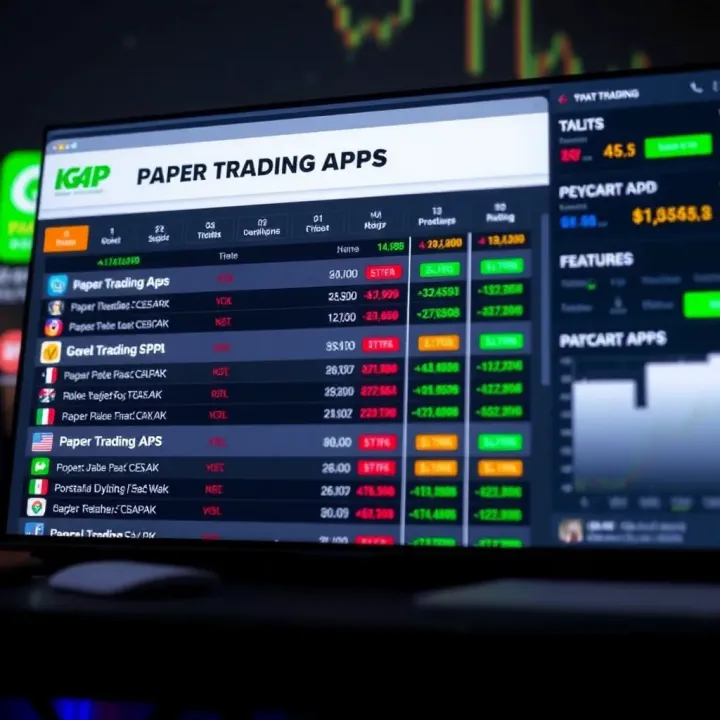
Market accuracy: Ensure the app mimics the Indian stock markets closely, including NSE and BSE stocks, as well as commodities or derivatives if you trade those.
Real-time data: Apps should provide near real-time price updates, not delayed quotes, to mimic actual market behaviour.
User interface and experience: A clean, intuitive UI reduces learning curve. If the app is cluttered or slow, it may frustrate rather than help.
Simulation features: Look for options to test different order types (market, limit, stop loss), margin trades, and portfolio tracking.
Educational resources: Apps offering tutorials, tips, and strategy guides add value, especially for beginners.
Device compatibility: Check if the app works well on your preferred device (mobile or desktop) and whether it offers offline access or notifications.
Choosing the right paper trading app is about aligning its features with your trading goals and style. An app that works well for a short-term day trader might differ from one ideal for a long-term investor.
In India, popular trading platforms like Zerodha’s Kite and Upstox offer paper trading options integrated with real market data, which many prefer. Also, independent apps dedicated solely to paper trading can provide niche functionalities.
By understanding what you need and what each app offers, you can pick one that makes your practice productive and helps you transition smoothly into actual trading. The following sections explore the best apps available and tips for using them efficiently.
Paper trading plays a significant role for anyone looking to enter the stock market without the risk of losing real money. Essentially, it allows you to simulate buying and selling stocks using virtual funds, helping you grasp trading mechanics and test strategies without financial penalties.
Concept of virtual trading
Paper trading refers to practising trades on a simulated platform that mirrors real market conditions. Imagine you’re trading on the Bombay Stock Exchange (BSE) or National Stock Exchange (NSE) but using virtual cash instead of actual money. This setup replicates price fluctuations, liquidity, and order execution without financial risk. For instance, if you think a pharma stock like Sun Pharma will rise, you can "buy" it on a paper trading app and track the virtual profit or loss.
Difference from real trading
While paper trading mimics real market movements, it does not expose you to the emotional pressures of risking real cash. You get to test how market orders, stop-losses, or limit orders work in theory. However, actual trading involves psychological factors like fear and greed that can affect decisions. Plus, paper trading platforms might not account fully for transaction costs like brokerage or taxes, which you need to consider when shifting to real trading.
Risk-free practice
One of the biggest draws of paper trading apps is the ability to practice trading without risking any of your savings. Beginners can familiarise themselves with how orders play out or how markets move intraday. Take someone new to equity derivatives: using a paper trading tool, they can experiment with futures and options contracts before committing funds. This safe trial helps build proficiency.
Testing investment strategies
Investors often develop strategies based on technical indicators or fundamental analysis but aren’t sure how they will perform in live markets. Paper trading allows them to test these ideas with virtual money before investing real capital. For example, a trader testing a moving average crossover strategy on Nifty 50 stocks can observe its success over weeks on a simulator. This process reduces costly mistakes.
Building confidence before real investing
Confidence and discipline emerge from experience. Paper trading equips you with hands-on exposure to market volatility and timing. If you keep losing virtual money, it signals a need to revise strategies or learn more. Conversely, consistent virtual gains can reinforce your trading plan. When you feel ready to put real money at risk, you do so with better preparation and less hesitation.
Using paper trading apps is like a dress rehearsal before the big performance on actual markets. It sharpens your skills and builds readiness without risking financial loss.
By understanding what paper trading involves and its core benefits, you set a solid foundation for selecting the right app that fits your goals and experience level. This approach makes the leap to real trading smoother and potentially more rewarding.
Choosing the right paper trading app depends largely on the features it offers. These features not only shape your learning experience but also influence how effectively you can simulate real market conditions. Let’s break down the essentials.
Simple navigation is a must-have. If the app feels clumsy or confusing, you'll waste time figuring out where to go rather than focusing on trading itself. For example, apps with clearly labelled menus and straightforward processes for placing orders help beginners avoid getting overwhelmed.
A clutter-free design enables faster decision-making, crucial for traders who want to mimic live conditions. Think of it like driving a new vehicle; if the controls are intuitive, you learn quickly without distractions.
Clear dashboards and charts further enhance usability. These visual tools present your portfolio, trades, and market movements at a glance. A well-organised dashboard shows essential data like profit/loss, holdings, and recent activities without excessive clutter.
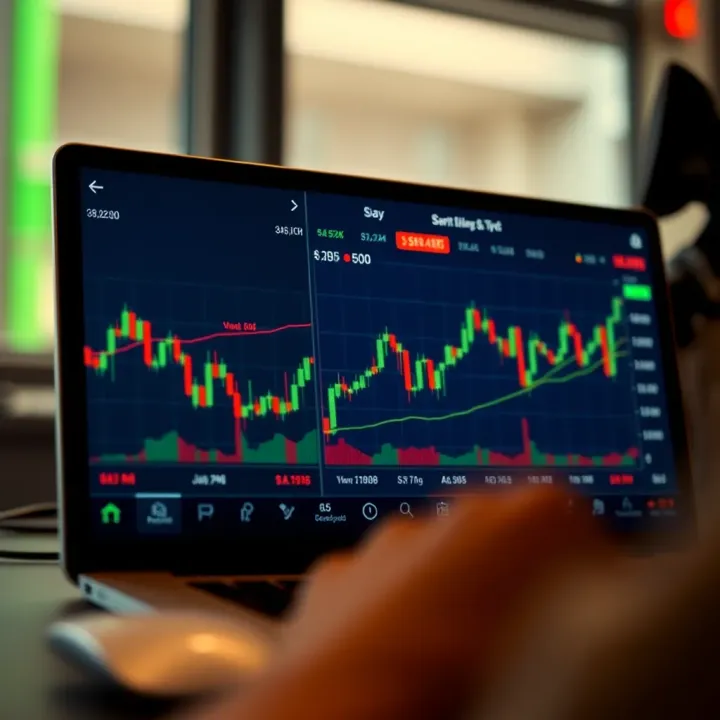
Charts need to be legible and offer options like candlestick patterns, volume indicators, and trend lines. This clarity helps you spot opportunities and risks more easily, just like experienced traders reviewing Market Watch or NSE websites.
Real-time data feeds make the difference between simulated experience and mere guesswork. An app that updates prices with delay can mislead you about market trends, affecting your strategy tests.
For instance, while Zerodha Kite provides near-instant updates on Sensex and Nifty movements, some free apps lag by several minutes, which isn’t ideal for intraday trading practice.
Historical data availability complements real-time feeds by allowing you to back-test strategies. Having access to past price movements, especially for Indian stocks or indices, helps you understand how your chosen tactics could have performed in different market cycles.

Good apps let you scroll back weeks, months, or even years. This way, you can simulate how a strategy would hold during events like demonetisation or the 2016 budget announcement.
Stocks and derivatives coverage matters because many traders don’t limit themselves to buying shares. Futures and options (derivatives) trading demand different strategies, and apps offering these instruments let you practise more extensively.
Consider that NSE Paathshaala facilitates trading in mock derivatives, helping users grasp margin requirements and expiry nuances in a low-risk setting.
Mutual funds and ETFs reflect another growing segment in Indian investing. Some apps feature mutual funds and exchange-traded funds (ETFs), allowing users to simulate portfolio diversification and long-term investment planning.
This is useful if you want to balance aggressive stock trading with safer assets, a common approach among Indian investors eyeing tax-saving options.
Currency and commodities trading is significant for those interested in forex or commodity markets like gold, crude oil, or agricultural produce. Paper trading platforms covering these allow you to explore opportunities beyond equities.
Since many Indians invest in gold and crude futures, practising in these segments can broaden your market insights.
Order types supported in the app impact how realistic your experience is. Basic apps might only allow market and limit orders, but advanced platforms incorporate stop-loss, stop-limit, bracket orders, and more.
These tools can help you learn risk management and precise entry-exit strategies, crucial for handling volatility in Indian markets.
Performance tracking lets you review your trades systematically. Apps with detailed reports on win-loss ratios, average returns, and trade durations help you identify strengths and weaknesses.
You might discover that you consistently exit trades too early or hold losing positions too long, insights only visible through proper analytics.
Risk and reward analysis complements performance tracking by displaying metrics such as risk-reward ratios, maximum drawdowns, and volatility measures. This guides you to develop strategies that suit your risk appetite.
For example, platforms like TradingView offer integrated tools to assess potential trade outcomes, helping you fine-tune your approach before risking real money.
Selecting a paper trading app with these features ensures you don’t just simulate trades but actually improve your skills with useful feedback and realistic market conditions.
When you're stepping into paper trading in India, choosing the right app matters a lot. These apps don't just hand you a virtual portfolio — they connect you to actual market conditions, offer learning tools, and track your progress. That range of features helps you practice well before you invest real money.
Zerodha's Varsity and Kite are popular choices because they cater directly to Indian markets. The integration means you get real-time data from NSE and BSE, including stocks, derivatives, and mutual funds available in India. This makes your practice far more relevant compared to platforms focusing solely on global markets.
What stands out about Varsity is its interactive learning modules. The content breaks down topics like technical analysis, fundamentals, and risk management into easy-to-grasp chapters. For example, a beginner can move from understanding candlestick patterns to placing mock orders in Kite, all on the same platform. This integrated approach fast-tracks learning and helps solidify theory through practice.
TradingView offers advanced charting tools that appeal to more experienced users. It supports a wide range of technical indicators and custom chart types. You can easily draw trendlines, plot volumes, or apply oscillators like RSI and MACD. Such comprehensive visuals allow traders to test complex strategies during paper trading, just as they would in the live markets.
Beyond tools, TradingView thrives on its community-driven ideas and scripts. Indian traders frequently share scripts and strategies customised for local conditions. You can access these scripts, modify them, or even upload your own, creating a collaborative environment. This aspect not only polishes your trading skills but also connects you with other market participants across India.
NSE Paathshaala is NSE's official platform offering a market simulator tuned precisely for Indian securities. Since it mirrors the exact market operations and trading rules, practising here gives a genuine flavour of real trading. This can be especially helpful for those aiming to understand the nuances of order types or settlement processes specific to Indian exchanges.
Alongside simulation, NSE provides rich educational resources. These include detailed modules on market basics, regulations, and investment strategies. For students and freshers preparing for exams or certifications, NSE Paathshaala doubles as both a study aid and a practical trading ground.
Investopedia Simulator widens the lens by offering global market exposure. If you're interested in stocks outside India, say US tech giants or European markets, this simulator provides that. It includes relevant data for foreign equity and currency pairs, great for users looking to diversify their paper trading experience.
That said, Investopedia shines with its beginner-friendly interface. Its simple design ensures new users are not overwhelmed by clutter. With straightforward dashboards and step-by-step assistance, anyone can start trading mock portfolios without prior knowledge. This makes it perfect for students or casual traders testing their first strategies.
Choosing the right paper trading app means balancing your learning needs with the market exposure and tools you want. Whether you prefer deep Indian market integration or broader international practice, these apps offer a range of strengths to suit your goals.
Selecting the right paper trading app matters because it directly affects how effectively you learn and practise trading strategies. Different apps cater to different needs, and picking one that aligns with your goals ensures you get the most value out of your practice sessions.
First, consider whether you want to develop your overall trading skills or simply test specific strategies. Skill development focuses on grasping basics like chart reading, order execution, and market behaviour, making apps with educational features and interactive tutorials useful. For instance, Zerodha Varsity offers integrated learning modules that serve beginners well.
On the other hand, strategy testing suits traders who already understand the market and want to backtest or simulate specific approaches. Apps like TradingView provide advanced charting and custom scripting to support this.
Next, decide if you prefer practising with Indian markets only or want exposure to global markets as well. If you plan to trade on the NSE or BSE, apps providing real-time Indian stock data and derivatives are essential. For example, NSE Paathshaala offers an official simulator focused on Indian markets.
However, investors interested in foreign assets or currency pairs may benefit from global platforms like the Investopedia Simulator, which offer access to multiple international exchanges. Your choice depends on the markets you intend to trade in real life.
Paper trading apps come in free and paid versions, and your choice impacts access to features. Free apps usually cover the basics and work well for casual learners or beginners testing out trading. However, paid versions often unlock in-depth analytics, more realistic simulations, and additional instruments, which can help serious traders refine strategies.
For example, TradingView's free tier offers good charting tools, but its paid plans provide faster data and priority support.
Mobile app availability matters if you prefer practising on the go. An app with a responsive mobile version or dedicated smartphone app lets you trade virtually anytime, anywhere. This suits traders who want to seize market opportunities during commute or breaks.
Again, apps like Zerodha Kite have robust mobile platforms optimised for Indian smartphones, making it easier for users to simulate trades on mobile networks.
Community feedback is a valuable resource to gauge how well an app performs in real-world conditions. Reviews often highlight bugs, data delays, or useful tips from fellow traders. Checking Indian-based forums or app stores helps identify apps that receive consistent praise or face common issues.
Moreover, customer service responsiveness is crucial, especially if you face technical problems or need guidance navigating features. Apps with prompt support enhance your experience, avoiding frustration when you hit snags. For example, platforms like Zerodha and TradingView maintain support channels that quickly address user queries.
Choosing the right paper trading app is a balance of matching your learning goals, platform features, affordability, and reliable user support. Making an informed choice helps turn virtual practice into real trading success.
Paper trading is more than just a practice run — it’s a valuable tool that can shape your approach to real investing. Using paper trading apps effectively helps to build discipline, understand market behaviour, and refine strategies without risking capital. To truly benefit, you must treat it as seriously as live trading, simulating realistic conditions and analysing your trades with care.
Allocating virtual capital wisely means treating your paper trading funds as you would your own money. For example, if you have ₹5 lakh to invest, allocate a similar virtual amount rather than an unrealistic ₹50 lakh. This helps you understand position sizing, diversification, and risk limits. It’s easy to get careless with virtual money, but assigning a realistic capital limit ensures you develop good financial habits that will carry over when you trade live.
Simulating transaction costs is important because real trading involves brokerage fees, GST, Securities Transaction Tax (STT), and other charges. Many paper trading apps skip these costs, but including them yourself gives a clearer picture of profits and losses. If your paper trades ignore ₹20 per trade brokerage charges, your overall performance might look better than what you'd experience with live markets. Adjusting your calculations to reflect these costs avoids surprises and trains you to factor expenses into your strategy.
Reviewing trades regularly keeps you honest about your strategy's effectiveness. Set aside time weekly or monthly to go through your trades, spotting patterns of success or areas where you lose virtual money. You might notice that certain sectors or order types perform better or that you consistently exit too early. This practice is crucial to developing discipline and adapting to changing market conditions.
Adjusting strategies based on outcomes means you don’t stick to a single approach blindly. If your paper trading shows losses in momentum-based trading, try exploring value investing or swing trades. For instance, if short-term trades cause frequent losses, experimenting with longer holding periods might improve performance. The key is to be flexible and learn from outcomes instead of sticking to a failing plan.
Knowing when to start live trading depends on your confidence and consistency in paper trading. If you have gained repeated positive results over several months and understand your risk tolerance, it's a good sign to move to real trading. However, remember that market emotions and actual money on line may alter your behaviour, so starting with a small amount helps manage this transition.
Managing emotions and expectations is perhaps the toughest part of real investing. Paper trading removes fear and greed, but with real money at stake, these emotions can cloud judgment. Be prepared for occasional losses and avoid expecting unrealistic returns quickly. Maintaining a cool head, sticking to your strategy, and practising patience are lessons paper trading helps instil but must be consciously carried forward.
To gain the most from paper trading, treat it like real money practice: set realistic budgets, include all costs, learn from each trade, and prepare mentally for the live market.
Following these steps turns paper trading from a simple simulation into a powerful stepping stone for real investing success.
📱 Explore official trading apps in India! Learn key features, benefits, and how to choose the best app for security, ease, and your trading needs.

📈 Explore the best paper trading apps in India to practise stock market strategies with virtual money, boost confidence, and choose the right platform for smart investing.

Explore the best online trading apps in India 📱🔍 Understand security, fees, support, and user experience to choose the ideal platform for your investing needs.
Explore top ₹20 trading apps in India 📱 comparing features, charges, and benefits to help investors pick platforms fitting their trading styles and goals.
Based on 14 reviews