

Live Paper Trading Guide for Indian Investors
📈 Explore live paper trading in India! Learn how to practise stocks and commodities trading risk-free, test strategies, and build confidence before real investment.
Edited By
Charlotte Brooks
Paper trading is a practical way for investors to practise buying and selling stocks without using real money. It lets beginners and experienced traders test their strategies in a risk-free environment before committing actual funds. Given the volatility of the Indian stock market, practising with paper trading can save you from costly mistakes.
For Indian traders, using platforms that replicate local exchanges such as NSE (National Stock Exchange) and BSE (Bombay Stock Exchange) enhances the experience. These platforms often provide real-time data, allowing you to simulate trades as if you were in the live market.

Paper trading is the closest you can get to real trading without risking your capital. It's especially useful to build confidence and understand market movements before investing.
Test new strategies: You can try different approaches, like day trading or swing trading, and see how they would perform.
Understand market behaviour: Markets can be unpredictable; practising helps you get a feel of price swings.
Learn trading tools: Familiarity with order types, charts, and indicators reduces errors when trading live.
In addition to individual practice, paper trading is valuable for students, financial analysts, and brokers who want to sharpen skills or demonstrate strategies to clients. Many platforms tailor their user interface to Indian investors with features like watchlists specific to Indian stocks or integration with UPI for seamless account funding during live trading later.
When choosing a paper trading site, look for these essentials:
Real-time or near real-time market data
User-friendly interface with Indian stock market focus
Variety of order types and portfolio management tools
Educational resources for new investors
Starting off with paper trading can save you time and money in the long run. It acts like a dress rehearsal before the actual performance in the bustling world of stock markets.
Paper trading is a practical tool for anyone wanting to learn stock market trading without risking actual money. Instead of real trades, you simulate buying and selling stocks using virtual cash. This way, you experience market conditions and price movements without financial exposure.
Paper trading is essentially a practice run for trading. Imagine you're in a game where you buy shares, bonds, or derivatives using fake money, but with real-time market data. This allows you to test how your strategies would perform before placing real bets. For example, if you choose to paper trade on platforms like Zerodha Kite’s demo or the NSE Paathshaala simulator, you match your virtual portfolio's progress against the actual market.
Using paper trading before committing real money helps you understand the market’s behaviour and your own responses to gains or losses. New traders often jump in unprepared and end up losing money due to emotional decisions. Paper trading builds confidence by allowing you to test various strategies, such as intraday trading or swing trades, without repercussions. Suppose you try short-selling in paper trading and notice how margin requirements or price fluctuations might affect your position — this knowledge can save you money later.
Treating paper trading like a real game plan helps you sharpen skills, understand market timing, and recognise risks—all before you put your hard-earned money on the line.
Indian markets have unique characteristics: specific trading hours, tax structures like Securities Transaction Tax (STT), and regulatory norms by SEBI. Paper trading platforms tailored for India offer instruments like Equity, Futures & Options on NSE and BSE, enabling realistic practice. Plus, many platforms offer insights into brokerage charges or margin policies which impact profitability.
For instance, by practising on the Kite demo, you grasp how intra-day margins work or how to set stop-loss orders effectively. Paper trading also helps you prepare for market volatility during events like budget announcements or RBI’s monetary policy statements, where price swings can be sharp. This practise proves invaluable in a market where even seasoned traders need to stay alert.
In sum, understanding paper trading and benefiting from it can make your entry into live markets more calculated, informed, and less stressful. The ability to make errors risk-free is a priceless learning curve for all Indian investors and traders.

Choosing the right paper trading platform is vital for Indian investors looking to sharpen their trading skills without risking real money. With many options available, understanding key criteria helps you pick a platform that truly simulates real-market conditions and supports effective learning. These criteria ensure the platform suits your trading style and offers relevant features for Indian markets.
A simple, intuitive interface makes paper trading less daunting, especially for beginners. Platforms with cluttered dashboards or confusing navigation can discourage regular practice. For example, Zerodha's Kite demo offers a clean interface with easy access to charts and order placement, making it user-friendly. Ideally, the site should support quick order entries and clear displays of portfolio performance, encouraging longer and more frequent sessions.
Accurate and timely market data is essential for realistic trading practice. Delays or outdated quotes can lead to misleading decisions. Platforms that provide live or near-live data for Indian stocks, indices, futures, and options help simulate real trading conditions. For instance, accessing NSE and BSE data enhances authenticity. Realism also includes order execution rules and price slippage that mimic live markets closely, preparing you for actual trading challenges.
Effective paper trading platforms should include robust tools like advanced charts, technical indicators, and risk analytics. These allow users to test complex strategies and understand market dynamics better. Some platforms also offer algorithmic trading simulations or customizable alerts that help you respond swiftly. The more features relevant to your trading style—whether intraday, swing, or options—the more beneficial your practice sessions.
Given India’s market specifics, it's important that the platform offers instruments traded locally. This means stocks listed on NSE and BSE, derivatives like futures and options, commodities, and even currency pairs involving the rupee. Being able to trade these assets in a simulated environment allows investors to familiarise with the nuances, margin requirements, and regulations unique to Indian markets. Without this access, paper trading might not translate well into actual trading success.
Selecting a paper trading platform that balances usability, realistic data, advanced features, and Indian market access will make your practice genuinely effective and confidence-building.
In summary, when picking a platform, focus on how easy it is to use, the freshness and accuracy of market data, the breadth and relevance of tools, and support for Indian securities. These elements together ensure your paper trading experience is practical and applicable, helping you bridge the gap between theory and live trading effectively.
Choosing the right paper trading platform matters a lot, especially for Indian investors aiming to sharpen their trading skills without risking actual money. Such platforms provide a safe environment to understand the market mechanics, test strategies, and gain confidence before stepping into live trading. Indian users should look for sites that offer access to Indian stock exchanges like NSE and BSE, realistic market data, and user-friendly interfaces tuned to local preferences.
Zerodha, a leading Indian discount broker, offers a comprehensive paper trading experience through its Kite platform and Varsity educational portal. The Kite demo account mimics real NSE and BSE markets, letting you practise trading stocks, commodities, and currencies using virtual funds. Varsity complements this by breaking down key market concepts in simple language. This combination works well for freshers and seasoned traders alike, enabling them to experiment with order types such as limit, market, and stop-loss orders within a familiar interface.
While Investopedia is globally known for its financial content, its stock market simulator also serves Indian investors well for practising equity and options trading. The platform includes US market data primarily, but Indian users often find it useful to learn fundamentals and manage virtual portfolios without needing a detailed Indian market dataset. It’s a practical choice for those who wish to understand global trading principles before applying them locally.
TradingView’s paper trading feature stands out for its advanced charting tools and social trading community. Indian users can simulate trades on a wide array of instruments, including Indian shares if linked with relevant brokers. Its interactive charts help in practising technical analysis while executing mock trades in real-time. Beginners and analysts focusing on technical indicators find TradingView useful for strategy building and testing.
Developed by the National Stock Exchange (NSE), the Paathshaala simulator specifically targets Indian retail investors. It offers a highly realistic trading environment with access to NSE-traded stocks and derivatives. Since it is designed by NSE itself, the market data is timely, and the dynamics closely reflect live conditions. It’s ideal for those who prefer learning on a government-supported platform with native language options and Indian market instruments.
Platforms like Interactive Brokers and eToro provide paper trading accounts that include access to Indian markets. While they have a learning curve and may feature international stocks prominently, they allow Indian users to practise with diverse assets and currencies. These platforms are suitable if you want exposure beyond Indian markets or plan to engage in multi-asset trading.
Selecting a platform aligned with your trading goals and familiarity with Indian market instruments improves your paper trading experience significantly. Use these tools actively to build skills, understand market behaviour, and avoid pitfalls when moving to real trading.
Starting paper trading on popular platforms is simpler than many expect, but getting the foundation right matters a lot. Understanding account setup, trade execution, and analysing results helps you shape your skills without risking a rupee.
Most paper trading platforms require a simple registration, often with just an email ID and mobile number verification. For example, Zerodha's Kite demo account needs a few details and KYC (Know Your Customer) processes if you wish to connect with real market instruments during simulation. In contrast, platforms like Investopedia's simulator only need email sign-up, making it easy to dive in quickly. Ensure you choose platforms that support Indian market data to stay relevant. Set your time zone to IST (Indian Standard Time) if available to mirror live market hours.
Once the account is ready, begin placing simulated buy or sell orders just as you would in the real market. Pick stocks, commodities, or derivatives listed on NSE or BSE to stay close to actual trading conditions. Use market orders for immediate trades or limit orders to practise price timing. Practise trading during live market hours for authentic price movements; avoid placing trades during closed hours which may give unrealistic fills. Platforms like TradingView allow linking charts to paper trades, so you can test strategies with real-time visuals, making decisions more data-driven.
The real value of paper trading lies in evaluating your performance honestly. Track wins and losses, but also focus on why certain trades failed or succeeded. Maintain a trading journal to note entries, exits, rationale, and emotional reactions. Some platforms offer built-in analytics showing your portfolio’s growth, drawdowns, and risk metrics, enabling better insights. If you spot patterns such as rushing into trades without analysis, use this learning curve to improve. Remember, simulating the real market’s pressure by treating paper trades with seriousness results in more effective skill-building.
Approaching paper trading with discipline transforms it from mere practice into a powerful tool for building expertise, especially in India’s dynamic equity markets.
In summary, starting effectively means setting up a realistic account, practising orders thoughtfully, and using every trade as a learning opportunity. This approach sets a strong base to confidently enter real markets when the time is right.
Paper trading offers a valuable playground for traders, but it only helps if approached with the right mindset and techniques. To truly benefit from simulated trading, Indian investors should treat it as seriously as real trading, focus on crafting and testing strategies, and use analytical tools to sharpen their skills.
The biggest mistake many beginners make is treating paper trading casually, as if losses don’t matter. But the stakes are the same when it comes to decision-making and discipline. Imagine a trader who practices buying shares of Reliance Industries in a demo account. If they constantly deviate from their plan because 'it’s not real money,' they won’t develop good habits. Treat paper trading as if your hard-earned ₹5 lakh is actually on the line. This trains emotional discipline and shows how you might react under pressure.
Simply making random trades in the simulator won’t build skill. Instead, use paper trading to design and refine strategies. For example, an investor might test a strategy based on technical indicators like RSI or moving averages on the NSE or BSE stocks. Note which patterns work and which ones don’t in different market conditions. This structured approach helps build a personalised trading plan, reducing guesswork when entering live markets.
Most paper trading platforms, such as Zerodha Kite’s demo or TradingView, come equipped with charts, real-time data, and performance reports. Use these features to evaluate your trades critically. For example, review how much risk you took per trade or identify if losses stemmed from timing or poor stock selection. This feedback loop is crucial. It’s like a coach analysing a player’s game in detail — without this, progress stalls.
Successful paper trading hinges on seriousness, strategy, and analysis. These components transform practice sessions into real learning experiences.
By keeping paper trading disciplined and data-driven, Indian investors can make their practice count. They enter the live market with more confidence and clear, tested strategies, avoiding many common rookie mistakes.
📈 Explore live paper trading in India! Learn how to practise stocks and commodities trading risk-free, test strategies, and build confidence before real investment.
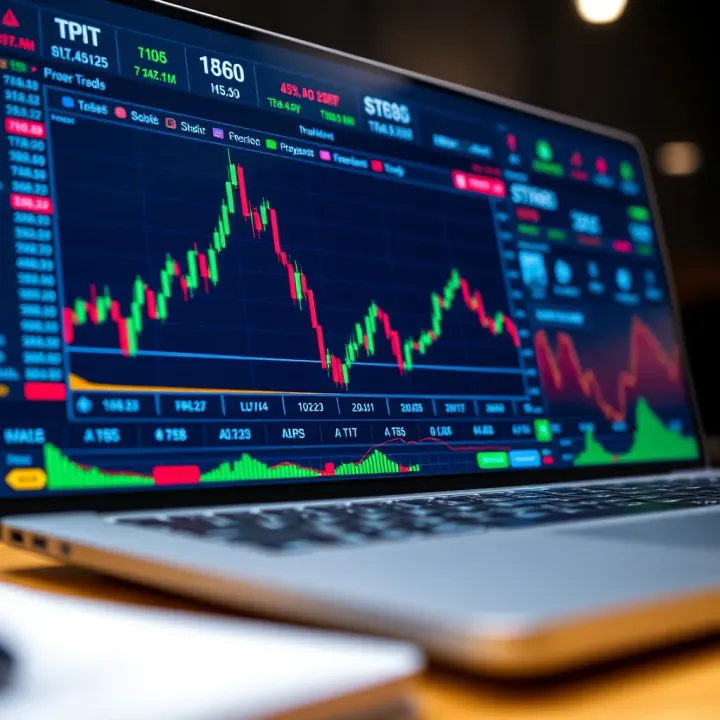
📈 Learn how new traders in India can use paper trading to practice stock buying and selling without risk. Explore tips, platforms & switch to real trading!

📱 Explore official trading apps in India! Learn key features, benefits, and how to choose the best app for security, ease, and your trading needs.

Explore top trading apps for Indian investors 📱! Compare features, pricing, security, UX, and support to pick the best fit for your trading needs 💹.
Based on 11 reviews