
Best Forex Trading Software for Indian Traders
Explore top forex trading software suited for Indian traders 🇮🇳. Learn about key features, fees, tools, and security to pick the best platform for ₹ crores trading.
Edited By
Henry Dawson
Practising stock market strategies without risking real money has become more accessible with paper trading websites. These platforms simulate market conditions using virtual funds, helping traders and investors sharpen their skills before entering the actual market.
In India, where stock markets like the NSE and BSE fluctuate dynamically, paper trading proves especially useful. It offers a no-risk environment to understand market behaviour, test different trading strategies, and build confidence. Whether you are a student preparing for competitive exams like the CA or CFA, a fresh trader aiming to learn the ropes, or a seasoned investor exploring new approaches, paper trading can fine-tune your decision-making.
Several factors determine the effectiveness of a paper trading website. Accuracy in market simulation is key; the platform should reflect live market prices, slippages, and order execution delays realistically. For instance, a website that updates stock prices with a delay of several minutes would not prepare you adequately for real-time trading decisions.
Usability also matters. Intuitive interfaces, easy navigation, and clear reporting tools help you focus on strategy rather than wrestling with the platform. Look for features like customizable watchlists, detailed transaction histories, and visual tools like charts and technical indicators familiar from platforms such as Zerodha Kite or Moneycontrol.
Moreover, good paper trading sites often include educational content—videos, webinars, or tutorials—helping users grasp concepts like margin trading, stop-loss orders, and diversification. These resources enhance learning alongside actual practice in virtual markets.
Paper trading is not just for beginners; experienced traders use it to experiment with large orders or complex derivatives strategies without immediate financial consequences.
Indian traders should also consider the availability of local market options, including equities, commodities, and currencies relevant to domestic exchanges. Some platforms support US and international markets, which can be useful if you plan to diversify later.
Finally, review the site's community and support. Forums or expert help can enhance your learning curve, quickly clarifying doubts or discussing market trends.
In summary, choosing the best paper trading website involves assessing realistic market simulation, user-friendly tools, educational support, and market coverage. Taking these points into account will help you turn virtual practice into real-world investment success.
Paper trading acts as a bridge between theory and real-world trading. It lets you practise buying and selling stocks without putting actual money at risk. The idea is simple but powerful: simulate market conditions so you can test strategies, understand market behaviour, and build confidence before entering live trading.
Paper trading means simulated trading using virtual money that mirrors real market prices and conditions. Imagine you have ₹5 lakh in a demo account instead of ₹5 lakh in your bank. When you buy or sell shares here, the platform tracks your portfolio value based on actual market ups and downs, but no real money changes hands. This allows you to make mistakes and learn consequences without financial loss. For example, a trader using an Indian stock market simulator might buy shares of Reliance Industries, see their portfolio fluctuate with the Nifty 50, and then adjust strategies accordingly.
Most platforms provide timely price data and realistic execution delays, closely resembling actual trading experience. This helps in understanding order types—like market, limit, or stop-loss orders—and their impact. Advanced platforms also simulate brokerage and taxes, giving a fuller picture.
For beginners, paper trading is like training wheels for a bicycle. It familiarises one with market dynamics, risk management, and emotional discipline without the fear of losing money. A student preparing for financial exams or new investors can practise different investment styles—value investing, day trading, or swing trading—to find what suits them best.
Experienced traders also benefit. They can test new strategies under various market conditions without disruption to their real portfolios. For instance, a seasoned trader might try momentum trading on stocks like Tata Motors amid volatile markets to evaluate risk and potential returns.
Paper trading is not just practice—it’s an essential step to sharpen your market understanding, manage risks better, and gain confidence before committing real funds.
By understanding how paper trading works and what advantages it offers, you set a solid foundation. This knowledge helps you choose platforms that offer realistic simulations and educational tools tailored for Indian market conditions. With such preparation, you reduce costly errors and approach actual investing with a clear plan.
When picking a paper trading website, certain features make all the difference between just dabbling and really sharpening your market skills. These elements not only affect your learning curve but also mirror real trading dynamics closely, helping you build confidence before risking actual money.
A top priority should be how the platform replicates real market conditions. Paper trading makes sense only if the price movements, order executions, and other market actions come close to real exchanges like the NSE or BSE. For example, if your platform delays price updates or ignores slippage—the difference between expected and actual trade prices—your practice loses authenticity. Look for platforms that update data in real-time or near-real-time and provide historical data for backtesting strategies. Apps like Zerodha’s Kite platform offer fairly accurate market simulators for the Indian markets, which helps traders experience real fluctuations.
Smooth navigation and easy access matter to keep you engaged and minimise frustration. Websites and apps should present information cleanly without clutter—think clickable charts, intuitive order forms, and quick portfolio views. Accessibility on multiple devices, especially mobile phones, is essential since many Indian traders prefer trading on the go. Platforms that integrate UPI or net banking logins also reduce entry barriers for new users. A sluggish or complex interface can discourage regular practice, so choose a site that suits your device and style.
Learning while practising raises the value of paper trading significantly. Good websites bundle tutorials, webinars, and strategy guides that help beginners and even seasoned traders refine their approach. Tools like technical indicators, news feeds, and community forums enable you to test different market theories and get feedback. For instance, ICICI Direct and Upstox provide helpful learning sections coupled with their simulators which support holistic trader development.
Although paper trading is usually free, some platforms may have hidden charges or require deposits for access to advanced features. Check if the signup process demands KYC (know your customer) documents and how long it takes to start trading virtually. Free access with minimal setup encourages more frequent practice, while expensive or cumbersome registration processes can turn away potential users. Also, look at how long the virtual funds last—some sites reset your balance after a month, which might disrupt your learning.
Choosing a paper trading platform with accurate market simulation, user-friendly design, educational aids, and affordable access creates a productive environment for building your trading skills without financial risk.
These features together ensure your paper trading experience stays practical, engaging, and truly educational—perfect for building a foundation before stepping into the real markets.
Choosing the right paper trading website matters greatly, especially for Indian traders. A platform that closely mimics the Indian market environment helps you practise strategies with relevant data, watch market movements that match real conditions, and understand local trading nuances. Without this, your practice might fall short of preparing you for actual investing in the Sensex or Nifty 50. Equally important is considering websites from global markets accessible in India, as they often bring advanced tools and fresh perspectives.
Several paper trading platforms focus on the Indian markets, providing simulations based on NSE and BSE data. For example, NSE Paathshala offers a free virtual trading platform with live data from the National Stock Exchange, enabling you to practise trading in large-cap and mid-cap stocks. It includes virtual funds and simulates order execution timings close to real life.
Similarly, Moneybhai by Moneycontrol lets you trade with virtual money in the Indian stock market. It provides a demo environment with real market tickers, ideal for beginners to grasp trading mechanics without risking capital. Additionally, apps like Elearnmarkets Mock Trader or TradingView India include Indian stock data and allow paper trading combined with technical analysis tools.
When picking among these options, check if the platform supports all market segments you plan to trade in, such as equities, derivatives, or commodities. Also, confirm whether it includes live price updates, as delays can affect learning accuracy.
Apart from domestic platforms, international websites bring robust features and extensive educational resources. Investopedia Simulator is quite popular for its comprehensive virtual trading environment, although it focuses mostly on the US markets. Nevertheless, it helps Indian traders understand market dynamics, portfolio management, and risk strategies broadly.
Thinkorswim by TD Ameritrade offers advanced tools for paper trading in global equities and derivatives. Though it requires a bit of setup, it boasts features like real-time scanning and backtesting, valuable for serious traders wanting to test complex strategies.
Another option is TradingView, favoured for its interactive charts and community-driven trading ideas. It supports several international markets and has easy-to-use paper trading functionality, accessible without cost. Traders can observe global market trends and compare them with Indian indices to sharpen their judgment.
Selecting a paper trading website that matches your trading goals and market focus builds confidence. Whether it's Indian market simulators or international platforms, the goal remains the same: practise realistically to prepare effectively.
By reviewing these platforms carefully, you can find a website that enhances your learning experience and prepares you well for real market situations.
Paper trading websites can be powerful tools if used wisely. To truly benefit, traders need more than just access to virtual markets; they must apply strategies that maximise learning. Clear goals, disciplined tracking, and awareness of common mistakes can turn paper trading from a casual exercise into effective preparation for real investing.
Start with setting clear, achievable goals. Instead of saying, "I want to make profits," specify measurable targets like practising 50 trades over a month to understand market patterns or testing a particular strategy such as momentum trading. This focus prevents aimless clicking and promotes purposeful trading.
Tracking your progress regularly is crucial. Maintain a trading journal—even a simple spreadsheet noting entry and exit points, reasons for trade, and emotions felt during transactions. For example, if you notice repeated losses during market opens, that insight helps refine your approach. Over a couple of weeks, this data highlights strengths and weaknesses, helping you adapt.
Many platforms offer built-in analytics; use those to evaluate your win rate, average profit/loss, and trading timeframes. Setting small milestones like improving the win rate by 5% each week keeps motivation steady. Realistic expectations keep frustration at bay—remember, virtual success may not immediately translate to real markets, but disciplined practice builds the foundation.
A key trap is treating paper trading like a game without discipline. Since there is no real money at risk, some traders take excessive risks or ignore stop-loss rules. This behaviour fails to build habits needed for real markets where emotions and money management matter.
Another mistake is ignoring market conditions. For instance, if you only practise during bullish phases, you’ll lack experience in sideways or bearish markets. Vary your simulation periods on platforms offering historical data to cover different scenarios.
Overtrading is also common. Resist the urge to test every market tip without analysis. Instead, focus on quality over quantity. High-frequency trades without strategy rarely teach useful lessons.
Lastly, do not overlook the psychology aspect. Paper trading doesn’t trigger the same fear or greed as real money. Try to approach your virtual trades seriously, mimicking real investment behaviour, like limiting trades per day or setting loss limits.
Proper use of paper trading platforms prepares you not just on technical front but also mentally for real market challenges.
By setting focused goals, keeping detailed records, and avoiding typical pitfalls, you ensure paper trading becomes an effective stepping stone rather than a missed opportunity.
Moving from paper trading to actual investing marks a significant step in a trader's journey. Paper trading helps you grasp market dynamics without risking money, but real trading exposes you to emotional factors like fear and greed. Understanding when and how to switch is vital for using your virtual experience effectively.
Starting real trading is best when you consistently perform well in paper trading across various market conditions. For example, if you have practiced with a paper trading platform that simulates the Indian stock market, such as NSE or BSE, and made steady profits while managing losses responsibly, it might indicate readiness. However, this isn’t just about profit – you should also understand how to react during volatility and develop a trading plan.
It's helpful to begin with small investments to limit potential losses while adapting to real trading stresses. For instance, starting with a capital of ₹50,000 or less allows hands-on learning without risking large amounts. Before diving in, ensure you are familiar with the technicalities of actual trading platforms offered by brokers like Zerodha or Upstox.
Real trading involves risks beyond what paper trading can simulate. Price slippages, brokerage charges, taxes like Securities Transaction Tax (STT), and emotional decision-making come into play. Thus, managing risk starts with setting stop-loss orders and not committing more than a certain percentage—often 1-2%—of your capital on a single trade.
Expectations also need adjustment. Paper trading may create the illusion of easy profits because there is no real loss. In actual markets, losses will happen, and emotional discipline is crucial. Treat losses as learning moments and avoid chasing quick wins. Besides, remember the impact of market news, RBI policy changes, and global cues which can cause sudden price swings.
The transition is not a race; treat it as a gradual shift backed by practice, knowledge, and sound risk controls.
To sum up, use your paper trading experience as a foundation but prepare for the added layers of complexity and emotion in real investing. Taking small, well-planned steps, managing risks consciously, and keeping realistic expectations increase your chances of a smoother and more successful transition into live markets.
Explore top forex trading software suited for Indian traders 🇮🇳. Learn about key features, fees, tools, and security to pick the best platform for ₹ crores trading.
Explore online paper trading 📊 as a safe way for traders in India to test strategies, learn risks, and build skills before real investing.

💸 Explore practical tips and key strategies in forex trading tailored for Indian traders. Understand market basics, risks, and money management effectively.
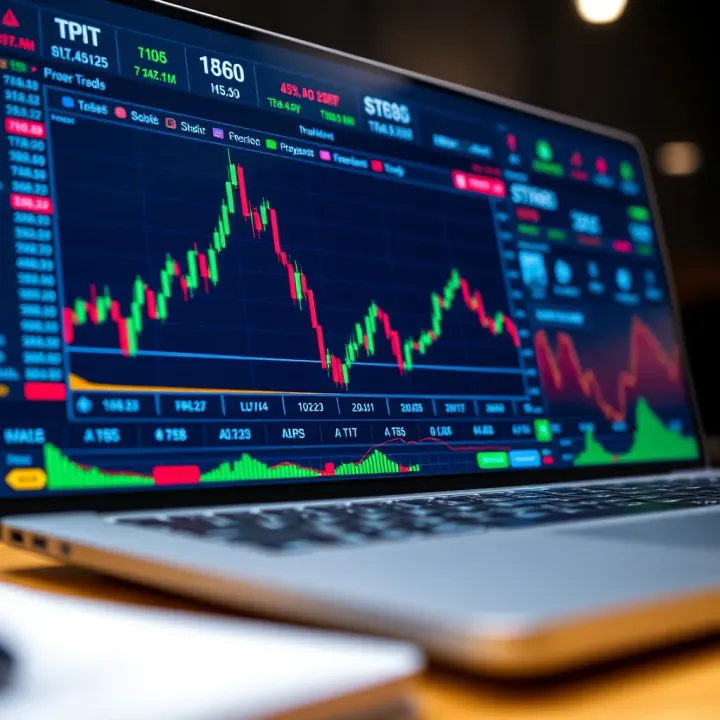
📈 Learn how new traders in India can use paper trading to practice stock buying and selling without risk. Explore tips, platforms & switch to real trading!
Based on 9 reviews