
Mastering Top Candlestick Patterns for Trading Success
📈 Master the top candlestick patterns for trading success! Learn their meanings, trader psychology, and practical tips plus handy PDFs for easy learning.
Edited By
Isabella Foster
Understanding basic candlestick patterns is essential for anyone looking to improve their trading skills. These patterns provide a visual summary of price action during a specific time frame, showing the opening, closing, high, and low prices. By recognising these patterns, traders can make more informed decisions and anticipate market movements.
Candlestick charts originated in Japan centuries ago and have since become popular worldwide for technical analysis. Each candlestick consists of a body and wicks (or shadows) above and below the body. The body represents the range between opening and closing prices, while the wicks show the highest and lowest points reached in that period.
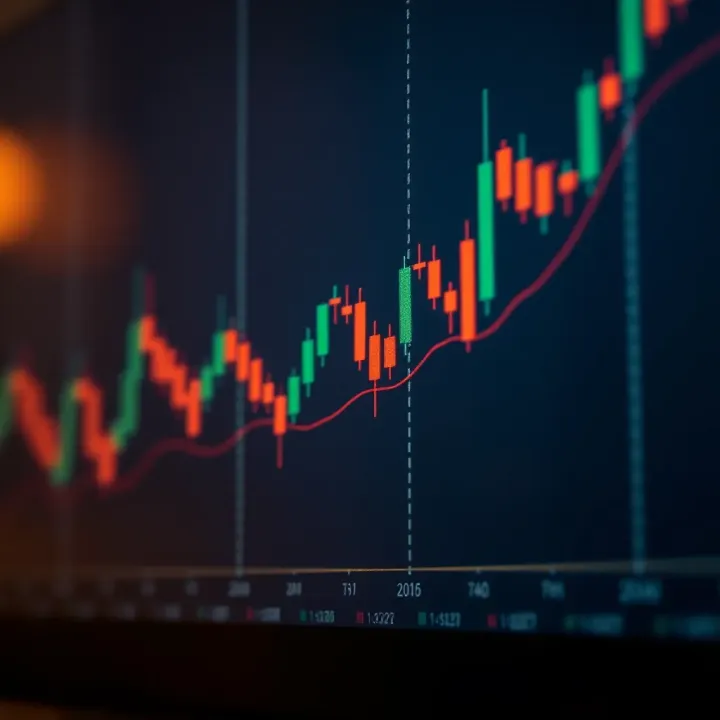
Traders primarily use candlestick patterns to spot potential reversals or continuation of trends. For instance, a hammer pattern often signals a possible bullish reversal after a downtrend, whereas an engulfing pattern may confirm a strong change in market sentiment. Recognising these signals early can help you enter or exit positions with higher confidence.
Here are some fundamental candlestick characteristics that every trader should know:
Bullish candlestick: Closing price is higher than the opening price, often coloured green or white.
Bearish candlestick: Closing price is lower than the opening price, typically red or black.
Long body: Indicates strong buying or selling pressure.
Short body: Suggests indecision or consolidation.
Wicks (shadows): Long upper wick can imply selling pressure, while a long lower wick indicates buying interest.
Reading candlestick charts is more than spotting patterns; it’s about context. Combining these patterns with volume, trendlines, and other technical tools improves their reliability.
By mastering these basics, you’ll lay a strong foundation for recognising price movements that drive effective trading strategies. The sections ahead will introduce you to key patterns and how to apply them practically in your trading journey.
Candlestick charts are a fundamental tool in trading, offering a clear visual snapshot of price action within a specific timeframe. They condense complex price data into simple shapes, making it easier for traders to read market sentiment and anticipate potential reversals or continuations. Understanding these charts helps traders avoid relying solely on numbers and line charts, offering much more detail on price movement.
Candlestick charts date back to 18th century Japan, where rice traders used them to track market prices and help predict future behaviour. Their creator, Munehisa Homma, observed that emotions like fear and greed reflected in price patterns. This early insight laid the foundation for modern technical analysis.
The historical background is practical because it shows that candlestick charts were built on real trading experiences rather than theory alone. This makes them relevant even today, guiding investors through market psychology across time.
Many traders prefer candlestick charts over traditional bar or line charts because they convey more information in less space. Each candlestick reveals the open, close, high, and low prices, providing a snapshot of buyer and seller strength. For instance, a long green candle with a small wick indicates clear buying control, whereas a candlestick with a long upper wick hints at selling pressure.
This immediate visual clarity helps traders make quick decisions without getting lost in numbers. It allows them to spot trends, spot potential reversals, and identify entry or exit points more efficiently.
A candlestick consists of two main parts: the body and the wick (also called shadow). The body represents the price gap between the open and close within the chosen time period. If the close is higher than the open, the body is typically shown in a lighter or green colour, indicating buying pressure; the opposite is shown in red or darker hues for selling pressure.
The wick extends from the body showing the highest and lowest prices reached during the period. This gives insight into the price volatility. For example, a candlestick with a long lower wick but a short body may suggest that buyers stepped in after initial selling pushed prices down, signalling potential support.
Understanding these components helps interpret market mood precisely instead of guessing. Traders often use wicks to detect false breakouts or market hesitations.
The open and close prices form the core of the candlestick's body and are crucial to understanding trader behaviour. The difference between them defines the candle’s strength and direction. For example, a close near the high of the period signals strong buying sentiment, whereas a close near the low suggests selling dominance.
The high and low prices indicate the extremes during the timeframe, highlighting volatility and market testing of levels. If the high price vastly exceeds the close, it may mean sellers pushed back after an initial bullish move.
Combined, these four points present a compact story of trading activity within that period. Knowing how to read this story is vital for traders looking to time their trades well and manage risks more effectively.
Candlestick charts are more than just price bars; they reflect the battle between buyers and sellers, letting you anticipate what might happen next by reading past actions closely.
Single-candle patterns are among the simplest yet insightful tools you can use in trading. They focus on individual candlesticks formed during a trading session, revealing buyers’ or sellers’ behaviour within that timeframe. Understanding single-candle patterns can help you detect early signs of market hesitation, potential reversals, or trend continuations without waiting for complex multi-candle formations.
A Doji candlestick has almost the same open and close price, resulting in a very small or non-existent body. Its wicks (upper and lower shadows) can vary in length. This shape suggests that both buyers and sellers battled intensely but neither managed to take control, leaving the session without a clear winner. In practice, spotting a Doji signals indecision, alerting traders to pause and evaluate rather than rush into trades.
A Doji in an uptrend may hint that buyers are losing strength, signalling a possible reversal or consolidation. Conversely, during a downtrend, it suggests sellers might be tiring, offering a chance for buyers to step in. That said, a Doji alone rarely confirms a trend change; combining it with nearby support/resistance levels or follow-up candles improves reliability. For example, after a Doji appears at a strong support level, you might watch for bullish signals confirming a bounce.
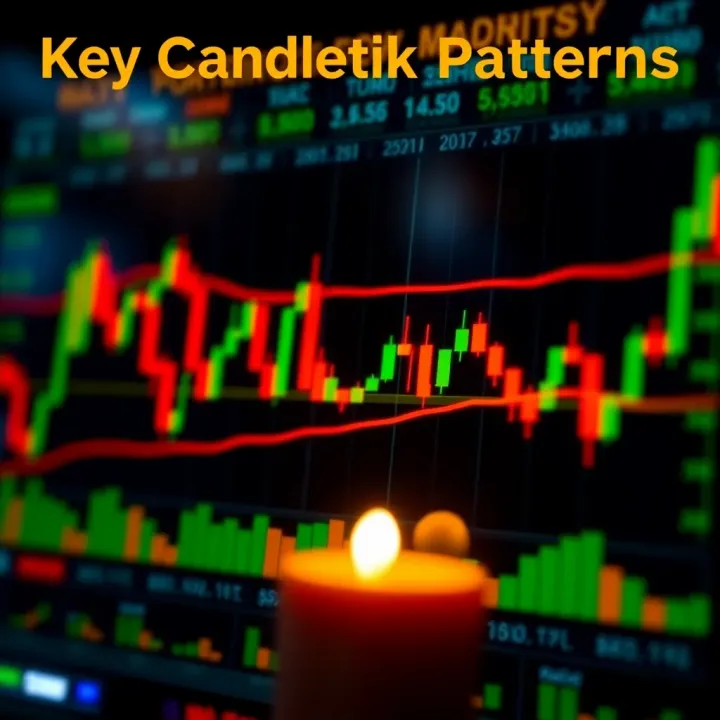
Both have small bodies near the top of the candlestick and a long lower shadow. The difference lies in their position within the trend. A Hammer shows up after a downtrend and signals a potential bullish reversal. A Hanging Man appears at the top of an uptrend, warning about possible bearish reversal—a sign that selling pressure is emerging.
When you spot a Hammer after a decline, it means buyers fought back strongly enough to push prices up, despite initial selling pressure. Traders may consider entering long positions with a stop-loss just below the low. Conversely, a Hanging Man during a bull run tells you sellers tested the strength of the rally. This could be a cue to tighten stops or prepare for a pullback, especially if the next candle confirms selling.
Spinning Tops have small bodies positioned in the middle of their range and relatively long upper and lower shadows. This pattern reflects a tug of war where neither buyers nor sellers secured decisive control during the session.
When Spinning Tops appear, especially after strong price moves, they suggest hesitation and potential pause in momentum. For instance, if a Spinning Top forms at resistance, it may signal traders are uncertain about pushing prices higher. Monitoring what follows can offer clues—whether the market resumes the trend or reverses. These patterns urge caution, keeping traders alert to possible changes in sentiment.
Single-candle patterns like Doji, Hammer, Hanging Man, and Spinning Tops provide quick signals that reflect shifts in trader psychology. They’re handy for timely decisions but work best when combined with broader market context.
Understanding these key single-candle patterns helps sharpen your eye for early signs in market moves, giving you an edge in timing trades more effectively.
Multi-candle patterns act as reliable indicators in trading because they show how market sentiment evolves over time rather than at a single moment. These patterns often provide stronger signals than one-candle formations, especially when it comes to spotting trend reversals or confirmations. Traders watch for these because they offer clues about shifts in buying or selling pressure, helping you anticipate the next market move more confidently.
How to spot engulfing candles: An engulfing pattern occurs when a candle completely covers the body of the previous one. In a bullish engulfing pattern, a smaller bearish candle is followed by a larger bullish candle that fully 'engulfs' it, signalling buyers taking control. The opposite happens in a bearish engulfing pattern, where a small bullish candle is overshadowed by a bigger bearish one, indicating sellers gaining strength. Spotting this is straightforward if you look for contrast in candle size and colour, with the second candle meaningfully overtaking the first.
How they suggest trend reversals: These patterns hint at a possible reversal because they capture a sudden change in market power. For instance, a bullish engulfing pattern after a downtrend suggests buyers are pushing price upwards, reversing the preceding decline. Conversely, a bearish engulfing after an uptrend warns the rally might be ending. That said, confirmation with volume or other indicators improves reliability; engulfing patterns alone don’t guarantee trend shifts but put you on alert.
Structure and formation of stars: The morning star and evening star are three-candle formations signalling market turning points. A morning star starts with a strong bearish candle, followed by a small indecisive candle (often a Doji or Spinning Top), and then a bullish candle closing well above the midpoint of the first. The evening star mirrors this with a strong bullish candle, a small uncertain candle, and then a bearish candle closing below the midpoint of the first. These stars represent hesitation before a clear directional move.
Indications in trend changes: Morning stars often mark the end of a downtrend and the beginning of an upward move, while evening stars suggest the opposite. Traders value these patterns because they combine momentum shifts with market hesitation, making them relatively reliable reversal signals. Watching for volume spikes on the third candle helps confirm that the new direction has genuine support.
Meaning behind the patterns: The three white soldiers pattern consists of three consecutive long bullish candles with progressively higher closes, indicating sustained buying interest. On the other hand, three black crows are three successive long bearish candles with lower closes, signalling persistent selling pressure. These formations reveal strong conviction by traders over multiple periods, which can indicate solid trend changes rather than short-lived moves.
Confirming strong bullish or bearish moves: These patterns provide greater confidence about trend strength because they show continuous commitment from market participants. When combined with other technical factors like support or resistance levels, they help traders set entry and exit points more effectively. However, watching for unusually long candles or high volume during these sequences adds to their reliability, as such signals highlight dominant market forces.
Solid multi-candle patterns let you see the flow of market sentiment more clearly, reducing guesswork and helping you act on trends with better timing.
By recognising and interpreting these multi-candle signals, traders gain an edge in anticipating when markets might turn or continue strongly, giving them a better chance to protect capital and maximise gains.
Using candlestick patterns effectively demands more than just pattern recognition. Traders must consider the broader market situation, combining these patterns with other tools like support-resistance levels and technical indicators to enhance decision-making. This approach helps avoid false signals and improves the accuracy of entry and exit points.
Candlestick patterns gain meaning when analysed in relation to support and resistance zones. These levels act as natural barriers to price movement. For instance, spotting a bullish engulfing pattern near a strong support line carries more weight than spotting it in mid-trend without any reference level. Such context shifts the probability of a reversal or continuation.
Imagine a stock trading near ₹1,000, a known support from previous lows. If a hammer candlestick forms here, it suggests buyers are defending this level. Conversely, spotting a bearish engulfing pattern near ₹1,050 resistance hints at sellers stepping in. Combining candlestick patterns with these levels often confirms market intent, reducing chances of being caught in fake breakouts.
Volume reflects the strength behind price moves. A candlestick pattern accompanied by high volume suggests genuine interest and conviction. For example, if a morning star pattern forms on large volumes, it confirms buyers are returning strongly. On the other hand, weak volume during pattern formation signals a less reliable setup and demands caution.
Indicators like the Relative Strength Index (RSI) or moving averages add further clarity. If a bullish engulfing pattern appears when RSI is near oversold levels, it supports a potential bounce. Similarly, if the pattern forms around the 50-day moving average, it shows the market respects this dynamic support or resistance. Using multiple tools together helps traders avoid relying solely on one signal.
Candlestick patterns provide visual clues for precise trade setups. After spotting a reversal pattern like the evening star, traders usually enter once the pattern confirms with the next candle. Stop-loss is often placed just beyond the pattern’s extreme (high/low) to guard against fakeouts. Target points can be set based on previous swing highs or Fibonacci retracement levels.
Ignoring risk control is a common mistake. Always size trades so that the loss remains tolerable, ideally risking 1-2% of your capital per trade. Tight stop-loss placement, based on pattern structure, limits damage if the market moves against you. Plus, never chase patterns without confirmation or clear exit plans—discipline preserves capital in uncertain markets.
Candlestick patterns work best when you consider market context, volume, and other indicators alongside clear risk management. This combined method boosts your chances of making smart trades.
By blending candlestick insights with solid trading frameworks, you move beyond guesswork to a disciplined strategy that stands the test of market swings.
When starting with candlestick patterns, traders often fall into traps that can cost them both time and money. Understanding these common mistakes helps you make better decisions and avoid unnecessary losses. Recognising typical errors also sharpens your trading skills, building confidence over time.
A common pitfall is depending too much on one candlestick pattern without considering the bigger picture. For instance, a lone Doji might signal indecision but does not guarantee a trend reversal. Traders who act solely on this signal could face false alarms leading to premature entries or exits.
False signals become more frequent during volatile market phases or thin trading sessions, like a Friday afternoon in the Indian stock market. Such misleading patterns can trigger trades with poor risk-reward setups. That’s why context matters.
Confirming patterns with other technical indicators or price action is essential before making trading calls. For example, combining a bullish engulfing pattern with a strong support level and rising volume offers a better chance of success. This approach reduces the odds of being tricked by fakeouts and sharpens your entry and exit timing.
Candlestick patterns don't have the same weight on every timeframe. A hammer on a 5-minute chart might be noise, while the same on a daily chart could suggest a genuine reversal. Failing to differentiate this can cause missed opportunities or false trades.
Market context, like overall trend direction and upcoming economic events, influences how you interpret patterns. A bullish pattern might be weak during a strong downward trend, and ignoring this could lead to losses. On the other hand, spotting a pattern near key economic announcements requires caution, as markets can behave unpredictably.
Choosing the appropriate timeframe depends on your trading style. Intraday traders benefit from studying shorter timeframes (like 15-minute or 30-minute charts), focusing on quick entries and exits. Swing traders look to daily or weekly charts to catch bigger moves and avoid noise. Sticking to a timeframe matching your goals helps improve pattern reliability and trade planning.
Never take candlestick patterns at face value. Spend time checking the market context, confirming signals and aligning them to your trading timeframe to enhance your decision-making.
By avoiding these mistakes and applying thoughtful analysis, you stand a better chance at leveraging candlestick patterns for effective trading in Indian markets and beyond.
Summarising key candlestick patterns helps traders consolidate their understanding of price movements and market signals. Recognising patterns like Doji, Hammer, Engulfing, and Morning Star equips you to anticipate potential reversals or continuations effectively. For instance, spotting a Bullish Engulfing near support may encourage entries with confidence. Summaries focus your learning and make pattern recognition quicker in real-time trading.
Candlestick patterns tell a story of market sentiment through visual cues. Single-candle patterns such as Doji suggest indecision, while Hammer indicates a potential bullish reversal after a downtrend. Multi-candle patterns, like Morning Star, signal the possibility of trend changes with higher reliability. Understanding when and where these patterns occur — in relation to trend direction and volume — dramatically improves trading decisions.
While no pattern guarantees results, combining them with price action context reduces errors.
Reading the right books and following structured courses deepen your grasp beyond charts. Titles like "Japanese Candlestick Charting Techniques" by Steve Nison provide essential foundations. Additionally, online platforms offer courses tailored for beginners to advanced traders, often including live examples from Indian markets. These resources help bridge theory and practice, making it easier to interpret candlesticks in varied scenarios.
Demo accounts offered by brokerages like Zerodha or Upstox allow you to test your candlestick knowledge without risking actual money. Using charting tools with real-time data, such as those on TradingView India, lets you apply pattern recognition in simulated markets. This hands-on practice is crucial to building confidence before trading live. By experimenting with different timeframes and instruments, you learn the nuances of how patterns perform under diverse market conditions.
In sum, effective trading demands not only knowing candlestick colours and shapes but also practising their application with proper resources and simulated trading. This approach strengthens your ability to make informed decisions and manage risks wisely.
📈 Master the top candlestick patterns for trading success! Learn their meanings, trader psychology, and practical tips plus handy PDFs for easy learning.
📈 Discover key candlestick patterns in trading! Learn to read single and multi-candle formations for smarter price move insights and better trade decisions.
📈 Master candlestick patterns with our practical guide for traders! Learn to spot bullish & bearish signals and enhance your trading skills effectively.
📊 Learn to master candlestick patterns with practical tips & PDF guides! Perfect for traders of all levels aiming to improve their strategy and analysis.
Based on 7 reviews