

Oil Trading Apps Guide for Indian Investors
Explore how oil trading apps empower Indian investors with insights on market trends, safety tips, and top platforms to trade oil smartly 📈🛢️📱
Edited By
Isabella Walker
Trading apps that let you start investing with as little as ₹20 have gained traction among Indian investors, especially beginners and those with limited funds. These platforms break the barrier of high minimum investments, making entry into stock markets and mutual funds more accessible than ever.
At their core, ₹20 deposit trading apps offer an easy way to buy equity shares, mutual funds, or fractional stocks without needing to commit large sums upfront. This suits investors exploring the market casually or learning the ropes without major financial risk. Apps like Groww, Zerodha’s Kite, and Upstox have introduced features that support such small-ticket investing.

That said, these trading apps come with their own set of considerations:
Costs and Charges: While the deposit minimum is low, transaction charges, brokerage fees, and GST can eat into returns. Some apps offer zero brokerage on basic plans but may charge for advanced features.
Usability and Features: For first-time investors, app navigation, educational resources, and customer support matter a lot. A complex interface can discourage small investors who are still learning.
Investment Options: These apps typically allow investing in popular stocks, ETFs, or mutual funds, sometimes including fractional shares, letting investors stretch even a small ₹20 into diversified holdings.
Risks and Returns: Small investments don’t eliminate market risk. Price swings affect even minor holdings, so awareness of volatility and risk tolerance remains essential.
Understanding how these apps operate helps investors manage expectations and fit small deposits into a broader strategy. They can form stepping stones towards building a diversified portfolio over time, provided users stay informed and cautious.
Starting small with ₹20 is a way to get your feet wet – but make sure the trading app you choose aligns with your goals, cost limits, and app comfort level.
Overall, ₹20 deposit trading apps are tools that democratise investing to an extent. They don't replace deeper strategies or larger capital, but for many Indians, they offer a practical gateway into financial markets at affordable costs.
Trading apps that allow investments starting with as low as ₹20 bring the stock market within reach for many Indians. Understanding how these platforms operate helps investors grasp the practical benefits and limitations. These apps rely on micro-investing concepts, simplified account setups, and secure digital processes to attract new investors with minimal capital.
Investing with minimal capital means you can start with amounts as small as ₹20 instead of the traditional higher thresholds. This approach suits those who haven't accumulated much savings or want to test the waters without large commitments. For instance, someone receiving a monthly salary might set aside just ₹20 daily, making it easier to build a habit without feeling financially stretched.
Many traders hesitate to begin due to upfront costs; these apps remove that roadblock by letting you dip your toes in the market.
Fractional shares and mutual funds play an important role here. Since full shares of certain companies can be expensive (like a single share of Reliance Industries or HDFC Bank), these apps allow buying fractional shares — small pieces of a whole share. This means if a share costs ₹3,000, you could buy a 1/100th part for around ₹30. Similarly, investing in mutual funds through these platforms allows access to professionally managed portfolios with small amounts, spreading out risk even for ₹20 deposits.
This strategy makes diversification practical without needing big capital.
Accessibility for new investors comes from the user-friendly app designs and educational prompts many platforms include. Instead of facing complex jargon or lengthy forms, people new to investing can open accounts in minutes, learn basics through in-app guides, and make the first trades without confusion. The simple interfaces reduce hesitation, making stock market participation less intimidating.
KYC processes on trading apps are mandatory under Indian regulations to prevent fraud and money laundering. Most apps use Aadhaar-based verification or video KYC, where you submit your Aadhaar, PAN card, and sometimes a selfie. This digital KYC usually takes minutes, getting you ready to invest right away. For example, Zerodha's KYC process is mostly paperless, speeding up account activation.
Fast and smooth verification encourages more users to start investing.
Linking bank and UPI details is necessary for smooth fund transfers. Since deposits begin at ₹20, linking bank accounts via UPI (Unified Payments Interface) or net banking allows instant money movement from your account to the trading wallet. This ensures you can invest whenever you want without waiting for clearance. Apps like Groww and Upstox use UPI for quick deposits and withdrawals, enhancing convenience.
It also builds trust as money flow is transparent and under your control.
Security features protect your investments and personal information. Most trading apps employ two-factor authentication (2FA), biometric logins, and encrypted data transfers. For example, requiring OTPs for trades or account changes limits unauthorised access. These measures give users confidence their small deposits and sensitive details are safe.
Even with just ₹20 deposits, security cannot be compromised; reputable apps invest heavily to keep user data secure.
In summary, understanding how 20 Rs deposit trading apps work demystifies the ease of starting with small capital, highlights important app features, and shows why these platforms suit new and budget-conscious investors in India.
Trading apps that allow investments starting with just ₹20 are changing the way Indians enter the stock market. They remove many obstacles that traditionally kept small investors away. This section explores how these low minimum deposit apps benefit users, focusing on their practicality and wider impact.
Low minimum deposit apps help people invest even if they do not have large sums saved up. For instance, a college student or a young professional earning a modest salary can start investing without waiting to save thousands. Such apps reduce entry costs from thousands of rupees to just ₹20, making the market accessible to a broader section of the population. This boost can especially benefit those from tier-2 or tier-3 cities who may not have easy access to full-service brokers.
Starting with small amounts encourages regular investing and helps develop sound investment habits. Rather than seeing the stock market as a game only for the rich, users learn the basics of investing and market behaviour steadily. Frequent small investments can build confidence and discipline, enabling new investors to understand market cycles and avoid impulsive decisions. Over time, this habit can motivate shifting from micro to more substantial investments.
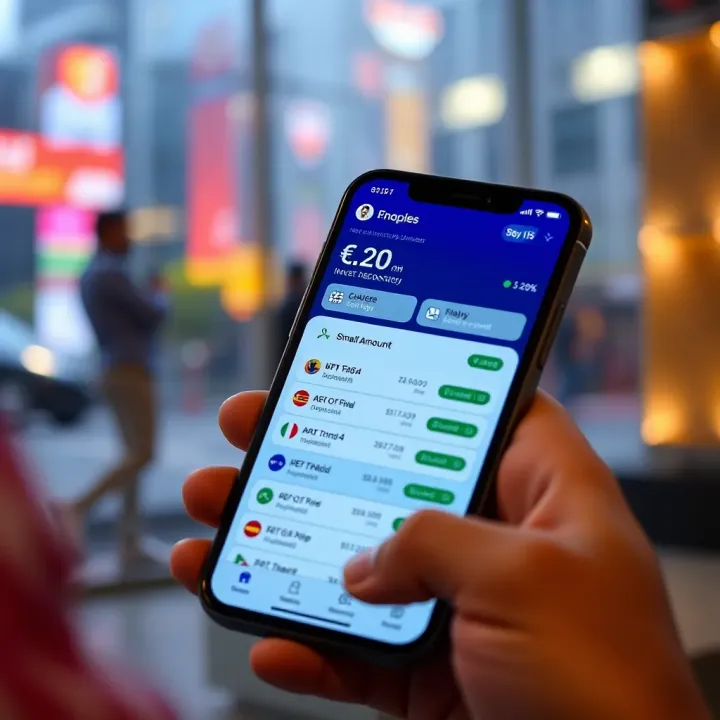
These apps offer a chance to level the playing field in investing. Earlier, investment platforms often demanded large opening balances, discouraging the average saver. By enabling micro-investing, these apps contribute to the democratisation of financial markets. More Indians joining the market means increased financial inclusion, allowing participation in economic growth sectors previously out of reach.
Mobile-based trading apps fit naturally into the fast-paced Indian lifestyle. Investors no longer need to visit broker offices or worry about market timings and paperwork. With smartphones, anyone can invest 24/7 from home, office, or even while commuting. This accessibility and on-the-go convenience help users grab opportunities promptly without waiting or missing out.
Low deposit trading apps typically focus on ease of use, keeping interfaces clear and friendly for those new to investing. Instead of complex charts and endless options, these apps provide guided experiences, tutorials, and straightforward navigation. This lowers the learning curve and minimises confusion for fresh investors, helping them focus on what matters – growing their money steadily.
Another key benefit is the ability to add or withdraw funds instantly through popular payment methods like UPI, net banking, and mobile wallets such as PhonePe and Google Pay. Immediate transaction processing means investors can react quickly to market movements or personal needs without waiting for days. This speed and flexibility improve overall trust and user satisfaction.
Investing with ₹20 only sounds small, but these apps empower millions by starting them on their wealth-building journey. The flexibility and accessibility they offer bridge gaps and nurture good investing culture across India.
By lowering financial and technical barriers, offering convenience, and fostering inclusion, trading apps with low minimum deposits prove to be practical tools for expanding India's investor base. They transform investing from a distant dream into an achievable routine for many.
Choosing a trading app that supports ₹20 minimum deposits requires close attention to its core features. These apps target small investors, so cost efficiency, investment variety, and user experience matter a great deal. Evaluating transaction fees, available asset classes, and customer support helps you avoid surprises and ensures the app suits your investing style.
Brokerage fees can eat into your gains, especially when investing small amounts like ₹20. Some apps offer zero brokerage on equity delivery trades but charge for intraday or derivative trades. For example, apps like Zerodha Kite have zero brokerage on delivery but levy fees on intradays. Always check if fees are per trade, per order, or based on trade value. Even a ₹10 brokerage on a ₹20 investment is hefty, so look for apps with reasonable minimum charges or zero brokerage on specific segments.
Apart from brokerage, watch out for charges like GST on brokerage, stamp duty, SEBI turnover fees, and platform fees. Some apps may also charge inactivity or annual maintenance fees, which can eat into small investments over time. For instance, certain apps may deduct ₹300-₹400 annually as account maintenance regardless of trade frequency. Understanding these hidden costs upfront saves frustration and helps you calculate real returns.
Traditional brokers often charge higher minimum brokerage and require larger deposits, which can be a hurdle for beginners. However, they sometimes provide broader services, including personalised advisory and offline support. Low-minimum-deposit apps trade off these perks for easier access and lower upfront costs. So, if you seek simple, low-cost entry into markets, digital ₹20 deposit apps can be practical. But if you want extensive services, established brokers may still make sense despite higher fees.
Most small-deposit apps offer direct equity trading, exchange-traded funds (ETFs), and mutual funds. This variety allows you to pick individual shares or diversify via mutual funds. For example, Groww and Upstox offer a mix of these products. ETFs are a good choice for spreading risks without buying many stocks individually. Mutual funds let you invest in professionally managed portfolios, useful if you prefer a hands-off approach.
Direct equity involves buying and holding shares, while derivatives let you speculate on price movements without owning the underlying stocks. Many ₹20-deposit apps allow direct equity but limit access to derivatives as they carry higher risks and need more experience. Beginners should focus on equity and mutual funds first. If you plan derivative trades, verify margin requirements and fees carefully, as these can be costly and riskier.
Some apps provide opportunities to invest in initial public offerings (IPOs) and bonds, offering diversification beyond stocks. IPO participation helps you buy shares at the launch price, potentially yielding good returns. Bond trading is less common but valuable for risk-averse investors seeking steady income. Confirm if the app facilitates these investments, especially if you're interested in a wider asset base beyond equities.
A clean, intuitive app interface makes investing smooth and reduces errors. Simplicity matters most for newcomers handling small amounts. Apps like Zerodha Kite and Groww stand out for clear navigation and quick order placements. Avoid cluttered or buggy apps that complicate basic tasks like deposit or order tracking.
Reliable customer support is crucial, especially when money is involved. Check if the app offers timely support via chat, phone, or email. Fast resolution of queries can prevent mistakes or losses. Some apps provide dedicated account managers for premium users, but basics like chat support and FAQs should be readily available for everyone.
Good apps also teach investing through blogs, videos, or insights. This helps small investors make better decisions and avoid impulsive trades. For example, Groww offers market news and tutorials within the app, which beginners find handy. Access to learning material can be a strong deciding factor when picking a trading app.
Evaluating these features carefully ensures your ₹20 deposit trading app offers value, security, and growth potential without hidden pitfalls.
Trading with apps that allow small deposits like ₹20 is tempting but comes with its own set of risks. Understanding these challenges upfront is essential to protect your money and invest smartly.
Even small brokerage fees can eat into your returns significantly when your investment amount is just ₹20 or ₹50. For example, if a trading app charges a brokerage of ₹5 per transaction, that’s 25% of a ₹20 deposit gone instantly. Over time, these charges can seriously reduce your net gains or even lead to losses despite market growth.
This makes it vital to carefully review the fee structure before choosing a small deposit trading app. Some apps might show zero brokerage for equity delivery but have hidden charges like GST, Securities Transaction Tax (STT), or annual maintenance fees. Always read the fine print so you don’t pay more than what your investments can actually grow by.
One major risk with small deposit apps is impulsive trading. Since the entry cost is low, investors may treat the stock market like a game, buying and selling frequently without proper planning. This behaviour can lead to losses because market prices are unpredictable in the short term. For instance, daily fluctuations in Nifty or Sensex might tempt you to constantly trade, but have you considered how brokerage and taxes add up?
Instead, it pays to be patient and do your homework. Thorough research about companies, sectors, and the economy can help you hold onto investments during market ups and downs. Consistency and understanding market cycles are key, especially when trading with limited capital.
Using unsecured or lesser-known apps poses security risks. Sometimes, these platforms might not have strong encryption, making your personal and financial data vulnerable to hackers. In India, where digital fraud cases can spike suddenly, this is a concern you cannot afford to ignore.
To stay safe, use apps that comply with regulatory standards set by SEBI and have robust security measures like two-factor authentication and encrypted transactions. Avoid apps asking for unnecessary permissions or linking to unsecured bank UPI IDs. Regularly update your apps and devices, and be cautious about using public Wi-Fi when trading.
Always balance convenience with caution in micro-investing. Low deposit trading apps offer great opportunities but only when you’re aware of the associated risks and take steps to manage them effectively.
In summary, fees can quickly reduce small investments, impulsive trading exposes you to losses, and weak app security can put your data at risk. Before using these apps, check fees, plan trades carefully, and prioritise security to make your small deposits work better for you.
Using a trading app that accepts a ₹20 deposit is just the first step in your investment journey. To truly benefit, you need clear strategies and practical steps. These apps offer low entry points, making investing accessible, but effective use demands setting proper goals, regular investing habits, and wise app management.
Understanding risk tolerance means knowing how much loss you can handle without panicking or exiting your investments. For example, if you are comfortable seeing your investment drop by 5-10% during market fluctuations, you have moderate risk tolerance. This self-awareness helps you pick the right stocks or funds, so you don’t make rash decisions driven by fear or greed.
For a fresh investor with just ₹20 deposits, it’s better to choose stable mutual funds or diversified ETFs rather than volatile stocks. This aligns your small investments with your comfort around risk, creating a smoother experience.
Diversifying small investments simply means spreading your money across different assets instead of putting all your ₹20 into one stock or fund. Even with little capital, you can buy fractional shares or invest in mutual funds that hold multiple companies. This approach reduces the risk of losing everything if one investment takes a hit.
For instance, instead of buying just one company’s share, split your regular ₹20 deposits across two or three mutual funds through the app. This tiny diversification builds a well-rounded portfolio over time, even with small amounts.
Automating small deposits via SIP means the app deducts ₹20 or more from your bank automatically at fixed intervals. This hands-off approach helps you keep investing regularly without forgetting or delaying due to busy schedules. Apps with in-built SIP options add discipline, ensuring your small contributions steadily build wealth.
The convenience of automated SIPs means your money benefits from rupee cost averaging, where you buy more units when prices are low and fewer when prices rise. This evens out investment costs over time and reduces the impact of market swings.
Benefits of disciplined investing come from sticking to regular deposits despite market ups and downs. Rather than trying to time the market, consistent SIPs on a 20 Rs deposit app let your investments compound, creating growth even from modest beginnings.
Many successful Indian investors started small but stayed consistent, letting their investments grow across years to lakhs without needing large sums upfront. This method fits well with New India’s first-time investors who want low-risk, patient wealth building.
Tracking performance and usability means regularly checking how your investments grow and how easy the app is to navigate. If you find the app slow, buggy, or lacking useful reports, it could hamper your investing motivation.
Take note of the app’s features like portfolio tracking, alerts, educational resources, and customer support. An app with good usability saves time and makes investing pleasant, encouraging you to stay engaged even with small deposits.
Switching without losing investments can be necessary if your app stops meeting your needs. Most apps allow you to transfer holdings to another platform without selling, so you don’t face tax or loss issues. Before switching, verify the process to avoid surprises.
For example, moving from one discount broker app to another can sometimes be done through a seamless demat account transfer. This flexibility ensures that as your investment skills grow, your tools grow too, without forcing you to exit the market early.
Regularly reviewing your goals, investing habits, and app choices ensures small investments with ₹20 deposits work in your favour. Smart planning today builds a stronger financial future tomorrow.
Explore how oil trading apps empower Indian investors with insights on market trends, safety tips, and top platforms to trade oil smartly 📈🛢️📱

Explore top trading apps for Indian investors 📱! Compare features, pricing, security, UX, and support to pick the best fit for your trading needs 💹.

Explore legal trading apps in India 📱✔️ Learn how to spot legit platforms, trading types, safety tips, and key features for smart investing.

📈 Learn how mock trading apps let you practice stocks risk-free with virtual money, master market basics, and get ready for real trading confidently!
Based on 11 reviews