

Choosing the Right Online Trading App in India
Explore the best online trading apps in India 📱🔍 Understand security, fees, support, and user experience to choose the ideal platform for your investing needs.
Edited By
Oliver Clarke
Selecting the right online trading app in India can make a big difference in your investment journey. With so many options available, it’s easy to get overwhelmed by the features, costs, and security measures each app offers. Whether you are a beginner looking to start your first trade or an experienced trader keeping an eye on the markets, understanding what to look for can save you time and money.
Most trading apps in India offer access to equities, commodities, mutual funds, and more. However, not every platform suits every user. The best app for a student might not be the best one for a day trader or a financial analyst. Therefore, you'll want to consider your trading needs carefully.
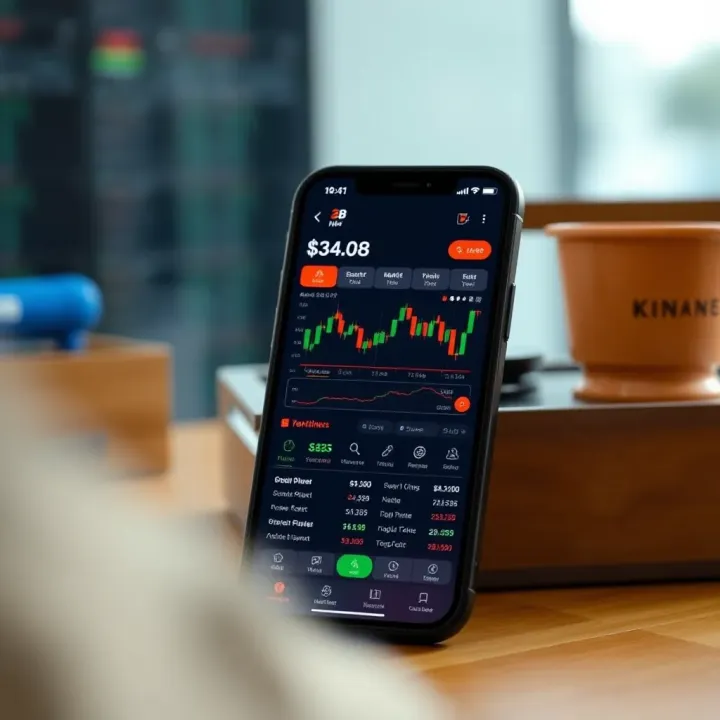
Key features to evaluate include:
User Interface and Experience: A clean, responsive design helps you execute trades smoothly without confusion or lag.
Brokerage and Fees: Some apps offer zero brokerage for equity delivery but charge for intraday or futures trading. Others include hidden fees, which can eat into profits.
Security Measures: Two-factor authentication, encryption, and compliance with SEBI regulations ensure your money and data stay safe.
Market Research and Tools: Access to real-time data, charts, indicators, and expert analysis can empower better decisions.
Customer Support: Quick, reliable assistance matters, especially when facing technical glitches or urgent queries.
Choosing an app only based on popularity can be misleading. Instead, check if the platform aligns with your trading frequency, investment goals, and technical comfort.
Popular trading apps like Zerodha Kite, Upstox Pro, and Angel Broking have distinct strengths and pricing models tailored for Indian investors. Exploring their offerings and user reviews can help you establish a shortlist.
In the following sections, we will break down these factors in detail, giving you practical tips to pick an app that fits your style and needs. Stay tuned to make your trading experience smarter and safer.
Trading in stocks, commodities, or currencies has become far more accessible today thanks to online trading apps. For Indian investors and traders, these apps offer convenience, real-time market access, and cost efficiency compared to traditional trading methods. Unlike visiting a broker’s office or using desktop software alone, trading apps put the market literally in your palm, making it easier to act quickly during volatile conditions.
India’s retail investor base has expanded remarkably over recent years, partly driven by easier internet access and digital literacy growth beyond metros. Apps like Zerodha Kite and Upstox Pro saw user surges during the pandemic when physical offices shut. The rising number of first-time investors—often young professionals and students—prefer apps with simple onboarding and zero hassle, which plain-old stockbrokers cannot match.
The Securities and Exchange Board of India (SEBI) regulations now support a more secure and transparent environment for digital trading apps. This regulatory backing reassures investors about fund safety and fair market practices, spurring demand further. In fact, Indian markets have witnessed a steady rise in app downloads and daily active users for trading platforms, reflecting a clear shift towards digital.
Trading apps deliver several practical benefits that traditional channels lack. First, they provide instant updates on price changes and market news. For example, an investor can spot a quick dip in Reliance Industries shares and place an order immediately to benefit from short-term volatility.
Second, most apps incorporate features like custom alerts, advanced chart tools, and AI-driven recommendations tailored to individual preferences. These tools help traders make informed decisions without needing deep expertise. For instance, a new investor can track their portfolio's performance day-to-day without sitting in front of a desktop.
Additionally, mobile apps offer cost advantages. Many platforms charge lower brokerage fees or no fees on certain transaction types, unlike brokers charging significant commissions. Plus, the ability to trade anytime from anywhere means you don't miss chances due to office hours or geography.
Choosing the right trading app aligns with your investment goals and learning style while ensuring security and cost-effectiveness. It enables not just ease of access but also smarter, more timely trades in a highly dynamic market.
In short, online trading apps have transformed how Indians engage with financial markets. For anyone starting out or even seasoned investors aiming for more control and flexibility, selecting the best app makes all the difference.
Choosing the right online trading app is not just about brand popularity; it hinges heavily on specific features that impact your day-to-day trading experience. These features not only affect how efficiently you can trade but also shape your overall confidence in using the app. For example, a cluttered interface can slow you down during crucial market moves, while limited market access might restrict your investment choices.
An intuitive user interface (UI) is essential for both seasoned traders and beginners alike. Apps like Zerodha Kite and Upstox offer clean layouts where key functions like placing orders, checking portfolio value, or viewing the market watchlist are just a tap away. When navigation is simple, you waste less time hunting for features and more time analysing opportunities. Particularly in fast-moving markets, the ability to execute trades with minimal clicks reduces chances of errors or missed trades.
A wide range of trading instruments extends your options beyond just equities. For instance, apps that provide access to equities, derivatives, mutual funds, currencies, and commodities allow you to diversify your portfolio seamlessly. Local platforms like Angel One have strengthened their offerings to include Bonds and IPOs, catering to investors wanting a broader market reach. Confirm that the app supports the exchanges relevant to your trading style, such as BSE, NSE, or MCX.

Different order types—like limit, market, stop-loss, and bracket orders—are vital tools for managing risk and maximising profits. Apps with robust execution systems can fill your orders faster and more reliably, which matters the most during volatile sessions. Upstox Pro, for example, is known for swift execution speeds ideal for intraday traders. Slow app response or delayed order confirmation may lead to slippage, hurting your gains.
Access to advanced charting tools and reliable research within the app empowers you to make informed decisions. Features such as candlestick charts, multiple time frames, and technical indicators help traders assess market trends. Apps like 5Paisa integrate expert research reports and news feeds so you stay updated without switching platforms. Having these resources built-in saves time and simplifies the analysis process.
Keeping these features top of mind ensures you pick an app that complements your trading style, prepares you for the market’s fast pace, and keeps your investment decisions well-supported.
Understanding cost factors and fee structures is vital when choosing an online trading app in India. These costs directly affect your overall profitability, especially if you trade frequently or with higher volumes. Being aware of all charges upfront helps you avoid unwelcome surprises that could eat into your returns.
Brokerage is the primary cost associated with trading. It can be a fixed fee per trade or a percentage of the trade value. For example, Zerodha charges ₹20 or 0.03% per executed order, whichever is lower—a flat-fee model suited for active traders. Conversely, some platforms adopt a zero-brokerage model for equity delivery trades but charge for intraday or derivatives.
Commission models vary: some brokers offer all-inclusive plans, while others list separate charges for equity, commodities, and currency trades. Traders dealing in high volumes should compare effective brokerage rates rather than nominal charges. For instance, Upstox Pro offers discounts for higher monthly turnover, which may benefit frequent traders.
Beyond brokerage, holding securities requires a demat account, usually with an annual maintenance charge (AMC). AMC typically ranges between ₹300 and ₹700 per year across most platforms. It's easy to overlook these recurring costs, but they accumulate over time.
Other hidden fees may include:
Transaction charges levied by stock exchanges
Fund transfer fees for adding money to trading accounts
Charges for physical contract notes or call & trade services
For example, some apps charge extra for SMS alerts or for providing detailed reports on your investments. Always review the fine print before committing.
When comparing cost structures, consider actual trading behaviour. For instance:
| App | Equity Delivery Brokerage | Intraday Brokerage | AMC | | Zerodha | ₹0 | ₹20 per order | ₹300 per year| | Upstox | ₹0 | ₹20 per order | ₹499 per year| | 5Paisa | ₹20 per order | ₹20 per order | ₹300 per year| | Angel One | ₹0 | 0.05% of trade value | ₹400 per year|
This table illustrates how small differences add up, especially for high-frequency traders. For beginners focusing on delivery investing, zero brokerage on equity delivery can significantly reduce costs.
Remember, the lowest fees do not automatically guarantee the best app for you. Balance fees with app features, user experience, and customer support to make the best choice.
In short, scrutinise both the visible charges like brokerage and hidden costs such as maintenance fees or fund transfer charges. This approach helps you pick a trading app that fits your strategy and budget without surprises later.
Security and regulatory compliance form the backbone of any trustworthy online trading app in India. For traders and investors, the safety of their funds and personal data is non-negotiable. Apps failing to comply with the guidelines set by regulators put users at risk of fraud and financial loss. Beyond legal mandates, a focus on security reassures users and boosts confidence in digital trading platforms.
The Securities and Exchange Board of India (SEBI) regulates all stock market-related activities, including online trading apps. For an app to legally operate, it must obtain proper licensing and approvals from SEBI. This ensures that the platform follows strict norms related to transparency, customer grievance redressal, and investor protection. For example, Zerodha and Upstox are registered with SEBI, giving them credibility and legal backing. Always check that your chosen app is SEBI-registered and authorised to access exchanges like NSE and BSE.
Trading apps handle sensitive user data — personal information, bank details, and transaction histories. Protecting this data is paramount to prevent misuse or identity theft. Secure apps implement encryption protocols like SSL/TLS to safeguard data during transmission. Additionally, multi-factor authentication (MFA) adds an extra layer of security beyond passwords. Apps like Angel One require Aadhaar OTP or biometric verification for critical actions, reducing the risk of unauthorised access. Users should prefer platforms that explicitly mention their data privacy policies and compliance with India’s IT Act concerning data protection.
Effective risk management tools offered by trading apps help investors protect their capital. Features such as stop-loss orders automatically exit trades to limit losses. Some apps allow setting target prices and trailing stops to lock in profits as markets move. Margin alerts notify users when holdings approach borrowing limits, avoiding liquidation surprises. Further, apps may provide portfolio risk analysis, highlighting concentration in specific sectors or stocks. For instance, 5Paisa offers in-app alerts and investment insights that help manage market volatility. Integrating these tools into your trading routine can prevent significant losses during sharp market swings.
Prioritising security and regulatory compliance isn’t just about ticking legal boxes; it keeps your investments safe and your mind at ease.
Choosing a SEBI-licensed app with solid data protection and robust risk controls provides a foundation for confident trading in the fast-moving Indian markets.
Choosing the right online trading app can directly impact your trading experience and profitability. Popular trading apps in India offer varied features, pricing, and user interfaces tailored to different types of investors—from beginners to seasoned traders. Understanding each app’s strengths helps you pick the one that fits your needs, whether you value low brokerage, advanced analytics, or a robust mobile platform.
Zerodha Kite has become a household name in Indian trading circles due to its simplicity and powerful features. It offers a clean, user-friendly interface that appeals to both beginners and experienced traders. Kite supports multiple market segments like equities, derivatives, commodities, and currency futures. One standout feature is its fast order execution paired with advanced charting tools supported by TradingView. Zerodha also has competitive brokerage plans, with zero brokerage on equity delivery trades, making it cost-effective for long-term investors.
Upstox Pro is well-known for professional-grade tools and speedy execution, making it popular among active traders. Its trading platform supports multiple order types and real-time data analytics, which helps users make informed decisions quickly. Mobile users particularly appreciate the app's sleek design and customisable watchlists. Upstox offers flat-rate brokerage plans that appeal to traders looking for predictable costs, especially those trading frequently.
The 5Paisa app focuses on affordability without compromising on essential features. It offers a simple interface suitable for beginners who want an easy entry into the stock market. Apart from stocks and derivatives, 5Paisa also allows investments in mutual funds and insurance directly from the app. Its flat brokerage model starting at ₹10 per trade is attractive for cost-conscious investors. The app integrates advisory services and personalised recommendations, which can be helpful for investors seeking some guidance.
Angel One combines a comprehensive feature set with extensive research and advisory support. It caters well to retail investors who want both self-directed trading and expert advice. The app offers seamless access to equities, mutual funds, and commodities. Its interface is user-friendly for beginners but also provides advanced tools for traders wanting detailed market insights. The brokerage charges are competitive, with periodic discounts and offers making it attractive during festive seasons.
When choosing among these apps, consider your trading frequency, asset preferences, and need for advanced features or advisory support.
Each trading app has its unique advantages, but assessing which aligns best with your trading style and budget is key. Testing demo versions and reading user reviews can further help in making an informed choice.
Choosing the right trading app is not a one-size-fits-all deal. Your success in the stock market partly depends on picking a platform that suits your trading goals, experience level, and preferences. This section helps you zero in on how to evaluate trading apps from a practical angle.
Your trading style largely determines the features you should prioritise. For example, if you're a day trader who executes multiple trades daily, you need an app that offers lightning-fast order execution and real-time chart updates. On the other hand, long-term investors might prefer apps with strong portfolio tracking and research tools rather than ultra-fast executions. Consider whether you want to trade equities only or also venture into commodities, derivatives, or mutual funds. Some apps cater better to specific markets. Say you primarily want to invest in Indian midcap stocks; not all platforms offer the same market coverage. Identifying these needs early saves time and effort.
Before committing to an app, try its demo or trial version. Most reputed platforms like Zerodha Kite and Upstox offer such options. This lets you explore their interface, charting tools, and order placement without risking real money. Pay attention to how intuitive the app feels—can you find your favourite features quickly? Alongside this, check the app’s customer support quality. Quick and helpful support is essential when glitches happen or you need help navigating complex features. For instance, a trader using margin or futures contracts would benefit from prompt assistance because any delay might lead to loss.
User reviews provide an unfiltered glimpse into the app's performance under real-world conditions. Look beyond star ratings to see what users say about app crashes, hidden charges, or update frequency. Online forums and social media groups focused on Indian trading communities can be gold mines for candid feedback. However, balance negative reviews with positive ones and consider the volume of feedback; a single bad review in thousands might be an outlier. Also, notice if the app regularly addresses user complaints, as this shows commitment to improvement.
Selecting a trading app tailored to your specific trading style and supported by responsive customer service can improve your overall experience and potentially your results.
In short, taking these tips seriously can help you avoid switching apps multiple times and focus your energies on actual market gains. The best trading app for you is the one that blends tech, tools, and support in a user-friendly package fitting your unique investing approach.
Explore the best online trading apps in India 📱🔍 Understand security, fees, support, and user experience to choose the ideal platform for your investing needs.

Explore top online trading apps in India with low minimum deposits 📉. Learn features, benefits, and guides to start trading smartly and safely.

Explore how to pick the best online shares trading app in India 📱. Learn about security, fees, features, and easy steps to start trading shares confidently!

Choose the best trading app for Indian investors 🇮🇳 with our guide covering security, user experience, fees, and trusted reviews to invest smartly 📈💡
Based on 6 reviews