

Best Trading Apps for Indian Investors in 2024
Explore top trading apps for Indian investors 📱! Compare features, pricing, security, UX, and support to pick the best fit for your trading needs 💹.
Edited By
Liam Foster
For Indian investors stepping into stock markets, choosing the right trading app can make a huge difference to their experience and returns. Mobile trading apps bring the markets to your fingertips, allowing you to buy and sell stocks, track portfolios, and access research anytime, anywhere. However, not all trading apps offer the same features, security measures, or charges — so picking the best app based on your trading style and needs is essential.
When reviewing trading apps available in India, several factors stand out. User-friendliness matters whether you are a novice or a seasoned trader. Apps like Zerodha Kite and Upstox Pro have clean interfaces that simplify order placement and chart analysis. Then, costs such as brokerage charges and account maintenance fees affect your overall profitability. Some platforms offer zero brokerage for equity delivery trades but charge for intraday transactions.

Beyond charges and ease of use, security remains non-negotiable. Trusted apps support two-factor authentication and encrypt sensitive data, protecting your investments and details from cyber threats. Customer support through chat, phone, or email also plays a role when you need quick clarifications or help with technical glitches.
Selecting a trading app is not just about the lowest price or flashy features — it should align with your trading goals, handle your investment size seamlessly, and provide comprehensive tools without compromising on security.
In this article, you will find a comprehensive list of trading apps popular among Indian investors, highlighting their major features, fees, and unique selling points. Whether you're aiming to dabble in stocks, futures, or mutual funds, or seeking an app with research and advisory, this guide aims to help you narrow down your choices and pick the platform best suited for your trading journey.
As markets evolve, so do trading apps. Staying informed about the latest updates and offerings from platforms like Groww, Angel Broking, or 5Paisa can ensure that your trading toolkit is both efficient and secure. Let’s explore these options with a keen eye on usability, charges, and support to make your investment decisions smoother and smarter.
Selecting the right trading app is no small matter for Indian investors today. The digital trading landscape offers a swarm of apps, but not all deliver the same value or security. Your app choice directly affects how smoothly you can trade, the costs you bear, and how well you safeguard your investments. So, understanding key factors like usability, charges, investment options, support, and security helps you pick a platform that fits your goals and trading style.
The user interface (UI) determines how easily you navigate and execute trades. An app cluttered with technical jargon or buried under multiple clicks can frustrate, especially for beginners. For example, Zerodha Kite's clean design lets users perform quick trades and access charts without fuss. On the other hand, an app like Groww focuses on simplicity, helping new investors start with mutual funds before moving to stocks. Intuitive apps reduce errors in order placement and speed up decision-making, crucial much during volatile market moments.
Costs can vary widely among trading apps, shaping your net returns over time. Some apps use flat fees regardless of trade size, like Upstox Pro’s ₹20 per trade model, making it predictable. Others charge percentage brokerage, which may squeeze profits on bigger trades. Moreover, watch out for hidden costs such as account maintenance charges or transaction fees. For instance, certain platforms charge ₹300 annually as Demat account maintenance, which eats into gains if you trade infrequently. Comparing these charges upfront helps you avoid surprises and pick an app that suits your trading volume and style.
A versatile app should cater to diverse investment interests—stocks, mutual funds, derivatives, bonds, or ETFs. Angel Broking offers a broad suite, including commodities and currencies, making it attractive to active traders exploring beyond equities. Conversely, beginners might thrive with apps focusing solely on stocks and mutual funds, so they don’t feel overwhelmed. Availability of investment options also relates to market accessibility. For instance, apps supporting National Stock Exchange (NSE) and Bombay Stock Exchange (BSE) give you wider choice, including small-cap and mid-cap shares.
Quality customer support can make or break your trading experience, especially when technical glitches or transaction doubts arise. Apps that offer chat support, quick callbacks, or even WhatsApp assistance tend to resolve issues faster. For example, 5Paisa’s support is often praised for prompt responses during trading hours. Poor customer service might result in delays, missed orders, or frustration at critical moments, affecting your investment returns.
Security is paramount, given the sensitive financial data and real money involved. Reputable trading apps comply with Securities and Exchange Board of India (SEBI) regulations and employ robust encryption protocols to protect user data. Multi-factor authentication and biometric logins add extra security layers, reducing risks of unauthorised access. It's worth checking whether the app regularly updates its security features and has a transparent privacy policy. Ignoring this factor exposes investors to frauds or data breaches, something no one wants in today’s digital age.
Always remember, a good trading app balances user-friendly design with strong security and transparent costs. Choosing carefully can save you money and stress while supporting smarter investment decisions.
By focusing on these factors, Indian investors can find an app that not only matches their trading style but also safeguards their interests efficiently.
Choosing the right trading app is vital for Indian investors to handle their portfolios efficiently and effectively. The top trading apps combine a set of features that cater to different needs—whether you're an active trader, a beginner, or someone focused on mutual funds. This section breaks down key aspects of popular apps to help you weigh the options.
Trading and charting capabilities: Zerodha Kite offers advanced charting tools with over 100 indicators and drawing tools. It supports intraday and positional trading seamlessly, enabling traders to analyse price movements and make informed decisions. The ability to customise charts helps active traders track their strategies more precisely.
Cost structure: Zerodha follows a flat brokerage model with zero charges on equity delivery trades and a flat ₹20 or 0.03% (whichever is lower) on intraday and futures trades. This predictable cost benefits frequent traders looking to minimise fees, especially when trading in large volumes.
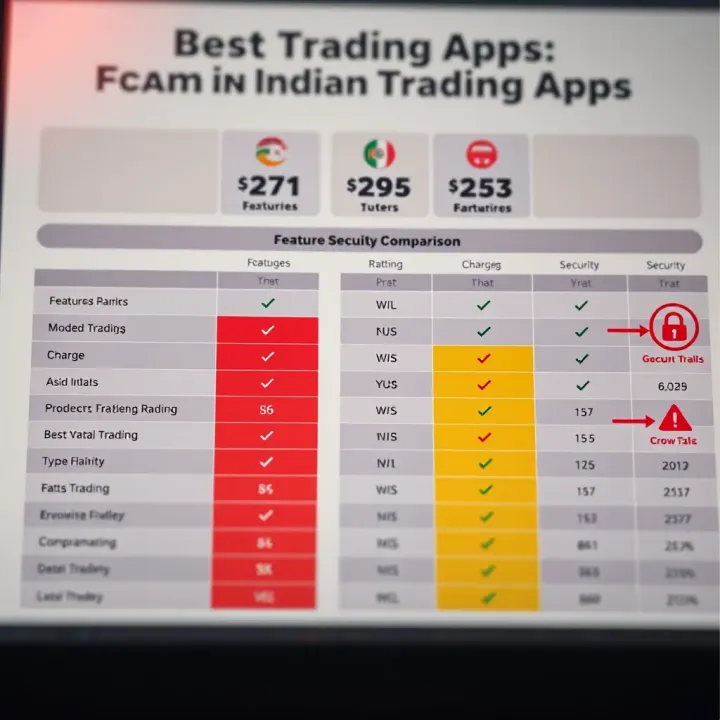
Mobile experience: The Kite mobile app is lightweight and user-friendly, allowing quick order placements and smooth navigation. Its sleek interface suits traders who work on the go and appreciate an uncluttered experience without sacrificing functionality.
Investment instruments supported: Upstox Pro covers a wide array of options, including equities, commodities, currency derivatives, and mutual funds. This variety makes it suitable for investors who want to diversify within one platform without juggling multiple apps.
User-friendly features: The app emphasises simplicity, featuring an intuitive interface with quick access to watchlists, market feeds, and customisable charts. This approach helps newer investors start trading without being overwhelmed by complexity.
Fee details: Upstox offers a zero brokerage model for equity delivery trades and a flat ₹20 fee per executed order for intraday and F&O trading. The absence of hidden charges makes costs transparent, which appeals to retail investors.
Additional services: Beyond trading, Angel Broking provides advisory services and portfolio management. Investors who want guidance alongside execution find value here, as the app integrates these advisory insights directly into the trading interface.
Research tools: Angel Broking features in-depth market analysis, daily reports, and stock recommendations based on fundamental and technical research. Such insights help users with a data-driven approach to investment decisions.
Commission plan: The app operates on a flat fee structure, typically ₹20 per trade or free equity delivery. This clear commission structure works well for investors focused on controlling costs while accessing research.
Ease for beginners: Groww is designed to be approachable, with straightforward navigation and educational content built into the app. For those starting with zero trading knowledge, it removes barriers and encourages steady learning.
Mutual funds and stock trading: The platform seamlessly integrates both mutual funds and stock trading. Users can switch between these investment options with ease, making Groww favoured among new investors preferring diversified portfolios without juggling apps.
Customer interface: Groww's clean, minimalistic interface reduces clutter and focuses on essential information. This clear layout appeals to investors who prefer simplicity without sacrificing necessary features.
Package options: 5Paisa offers multiple subscription plans, including free and paid packages that offer varying levels of access and brokerage fees. This flexibility suits both occasional investors and active traders by letting them pick plans as per their volume and frequency.
Speed and reliability: The app is known for quick execution speeds and stable performance, crucial during volatile market hours. Timely order processing helps traders seize opportunities without frustrating delays.
Extra offerings: 5Paisa also bundles additional services such as personal loans and insurance, making it a one-stop financial solution for users who want more than just trading on their app.
Selecting the right trading app depends not just on features but on how well those features match your personal investment style and goals. Whether you prioritise cost, simplicity, or comprehensive research, India's trading apps offer options tailored for every investor.
When selecting a trading app, knowing the brokerage fees and hidden costs can save you from surprise expenses that eat into your profits. Brokerage charges vary significantly between platforms and investing styles, so comparing these fees upfront ensures you pick an app that suits your trading frequency and volume.
Brokerage charges usually come in two forms: flat-fee or a percentage of the transaction value. Flat-fee models charge a fixed amount per trade regardless of the size, which benefits high-volume traders. For instance, Zerodha charges a flat ₹20 per trade for equity delivery or intraday, making costs predictable. On the other hand, percentage brokerage models, common with traditional brokers, charge 0.25% to 0.5% of the transaction. This means on a ₹1 lakh trade, you might pay ₹250 to ₹500, which can add up quickly for large or frequent trades. Decide based on how much you trade regularly and the trade size.
Most trading apps link with a Demat account to hold your securities digitally. Some brokers offer zero annual maintenance charges (AMC), but many levy yearly fees ranging from ₹300 to ₹700. For example, Upstox offers free Demat AMC for the first year but charges ₹300 annually onwards. Besides AMC, account opening or KYC charges may apply once.
These recurring costs might seem small but add up over years. If you plan long-term investing with minimal trades, pick an app with low AMC or free maintenance to protect your returns.
Apart from brokerage and AMC, watch out for fees on certain transactions like fund withdrawals or recharges. Some apps deduct a nominal charge on IMPS or UPI transfers, while others waive these for certain account types or trading volumes.
Transaction charges may also include GST and Securities Transaction Tax (STT), which are standard across India but vary slightly in how brokers pass these to customers. Being aware of all charges helps you avoid unnecessary costs and plan investments wisely.
Comparing the full cost picture—brokerage, Demat AMC, transaction, and withdrawal fees—empowers you to choose a trading app that fits your budget and trading habits.
Keeping an eye on these fees will help manage and improve your net returns. Never pick a trading app based only on flashy features; hidden costs can chip away big chunks of your profits if ignored. Always compare items transparently before committing your money.
Security and regulatory compliance are fundamental when choosing a trading app. Given the increasing number of online frauds and cyber threats, investors must ensure their chosen platform follows strict guidelines to protect user data and investments. Besides safeguarding your money, robust security builds trust, encouraging more confident trading decisions.
The Securities and Exchange Board of India (SEBI) and the Reserve Bank of India (RBI) set the regulatory framework for trading apps operating in India. SEBI oversees securities markets to protect investor interests, enforce transparency, and maintain fair practices. It mandates proper registration of brokers and apps, ensuring they meet minimum standards. RBI governs payment systems and drives regulations related to fund transfers, ensuring safe transactions through platforms like UPI. Apps complying with SEBI and RBI rules follow periodic audits and regulatory reporting, reducing the risk of malpractice. For example, Zerodha and Angel Broking openly disclose their SEBI registration numbers, assuring investors of their legitimacy.
Trading apps handle sensitive personal and financial information. To prevent hacking and data leaks, apps employ encryption methods that scramble data during transmission and storage. The most commonly used standard is AES-256 encryption, which banks and financial institutions widely trust. Apart from encryption, apps should abide by India's data protection laws, including the Information Technology Act and any forthcoming Personal Data Protection Bill guidelines. This means collecting only essential data, securing consent, and giving users control over their personal info. For instance, popular apps like Upstox and Groww notify users about data usage and provide options for consent management, reflecting good practice.
Strong user authentication is vital to prevent unauthorised access and fraud. Trading apps typically use multi-factor authentication (MFA), which combines something you know (password) with something you have (OTP sent to mobile) or biometric verification like fingerprint or facial recognition. This layer of security stops attacks even if passwords leak. Additionally, apps monitor unusual activities such as abnormal trades or IP address changes to flag suspicious behaviour. Fraud prevention systems also include educating users about phishing scams and fake apps. The 5Paisa app, for instance, implements OTP and biometric logins and alerts users immediately if it detects unusual login attempts.
Always verify if your trading app is regulated and employs strong security measures. This protects your investments and personal data from cyber threats.
In summary, regulatory compliance and security mechanisms such as SEBI/RBI adherence, data encryption, and multi-factor authentication form the backbone of trust for trading apps in India. Carefully checking these aspects ensures safer and smoother trading experiences.
To really benefit from trading apps, you need a strategy that goes beyond just signing up. Effective use of these platforms involves staying updated on your investments, making full use of built-in research tools, leveraging customer support, and staying alert to potential risks. These points can help you avoid common pitfalls and improve your trading outcomes.
Markets change fast, and your portfolio should reflect those shifts. Regularly checking your investment app allows you to keep track of market trends and react to any significant price movements. For example, if you hold shares in an IT company and quarterly results suggest a downturn, timely action can save losses. Also, many apps let you set notifications for price alerts — this avoids the need for constant manual checks.
Most trading apps, like Zerodha Kite or Angel Broking, offer research reports, market news, and technical analysis tools. Using these features helps you make informed choices instead of guesswork. For instance, examining candlestick charts or RSI (Relative Strength Index) can reveal whether a stock is overbought or oversold. Learning to interpret such data boosts your confidence and reduces emotional trading.
Trading platforms often provide customer support through chat, email, or helplines. Don’t hesitate to use these channels whenever you face technical glitches or have queries about transactions. Quick support can save your trades from falling through, especially during volatile market conditions. Some apps also provide tutorial videos or FAQs—these are useful for both beginners and seasoned traders to sharpen their understanding.
The thrill of trading can sometimes cloud judgement, so managing risks is critical. Always diversify your investments rather than putting all your capital into one stock or sector. Beware of unsolicited messages promising guaranteed returns, often a sign of scams. Stick to SEBI-registered and well-reviewed apps, and never share your login or UPI details. Use two-factor authentication (2FA) and keep your app updated to protect against fraud.
Staying proactive, well-informed, and cautious will help you get the most out of your trading app. The key lies in consistently engaging with your investments, using all available tools wisely, and keeping security in mind.
By following these tips, you set yourself up for smarter decisions and a smoother trading experience on any app you choose.
Explore top trading apps for Indian investors 📱! Compare features, pricing, security, UX, and support to pick the best fit for your trading needs 💹.
Explore legal trading apps in India 📱✔️ Learn how to spot legit platforms, trading types, safety tips, and key features for smart investing.
📱 Explore official trading apps in India! Learn key features, benefits, and how to choose the best app for security, ease, and your trading needs.

Explore top Indian stock trading apps 📱 with tips on security, costs, and features. Trade smarter with mobile tools tailored for India's market 🇮🇳.
Based on 10 reviews